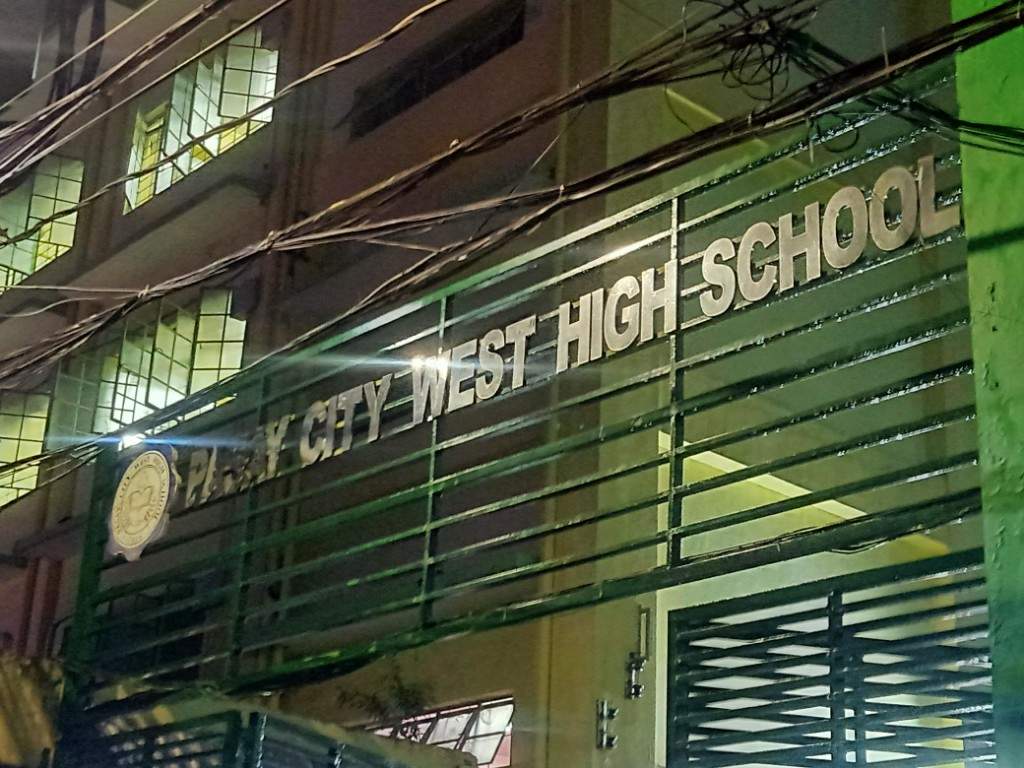
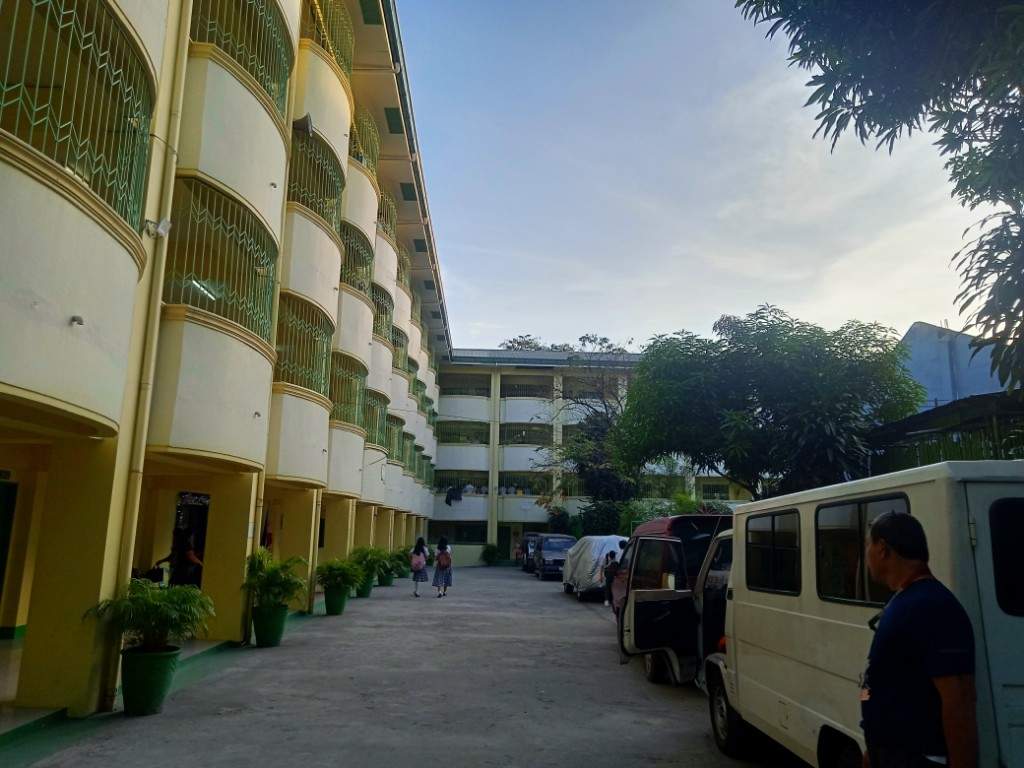
Pasay City West High School
Public secondary school in Pasay
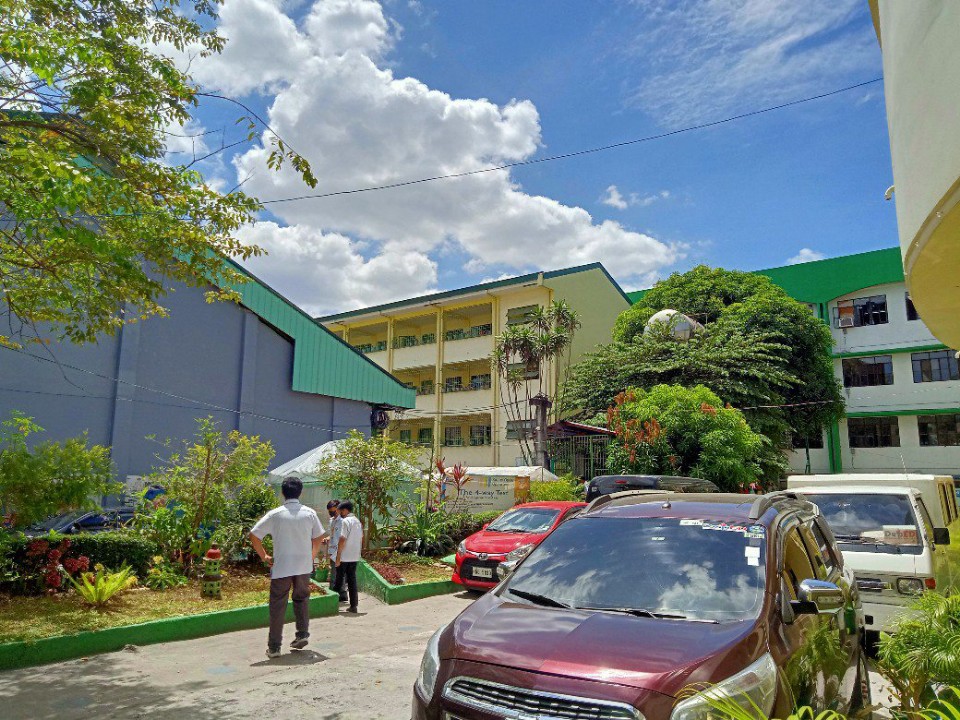
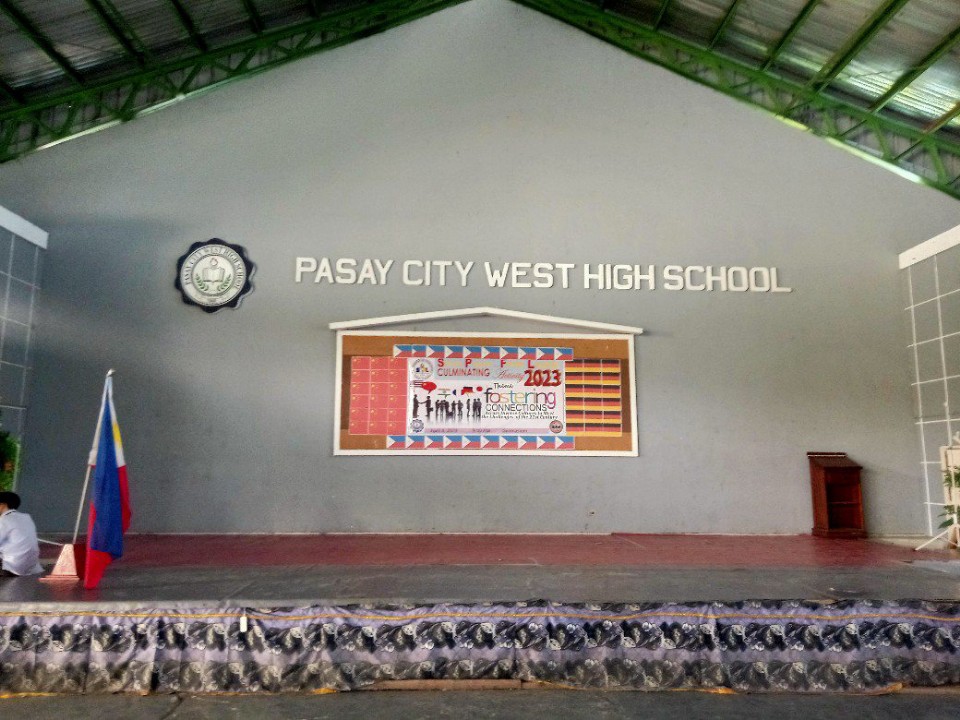
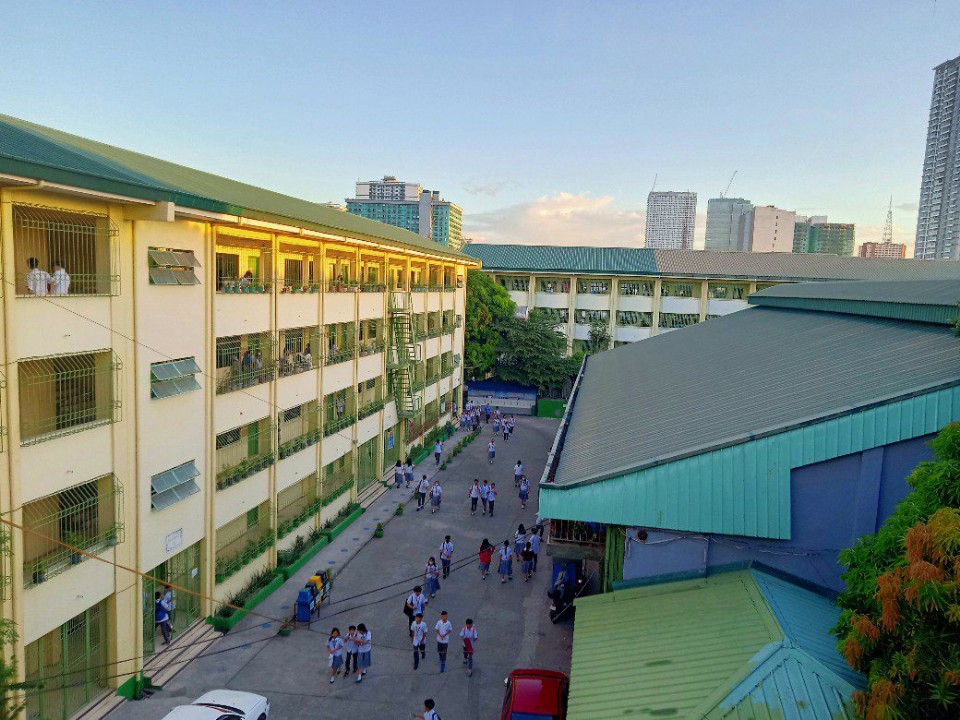
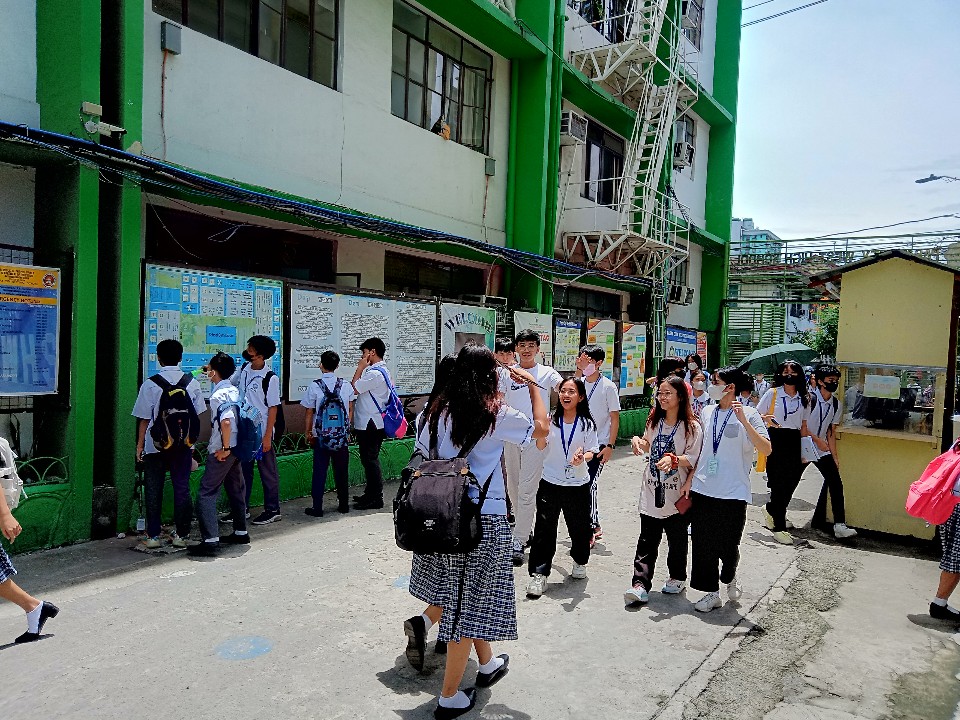
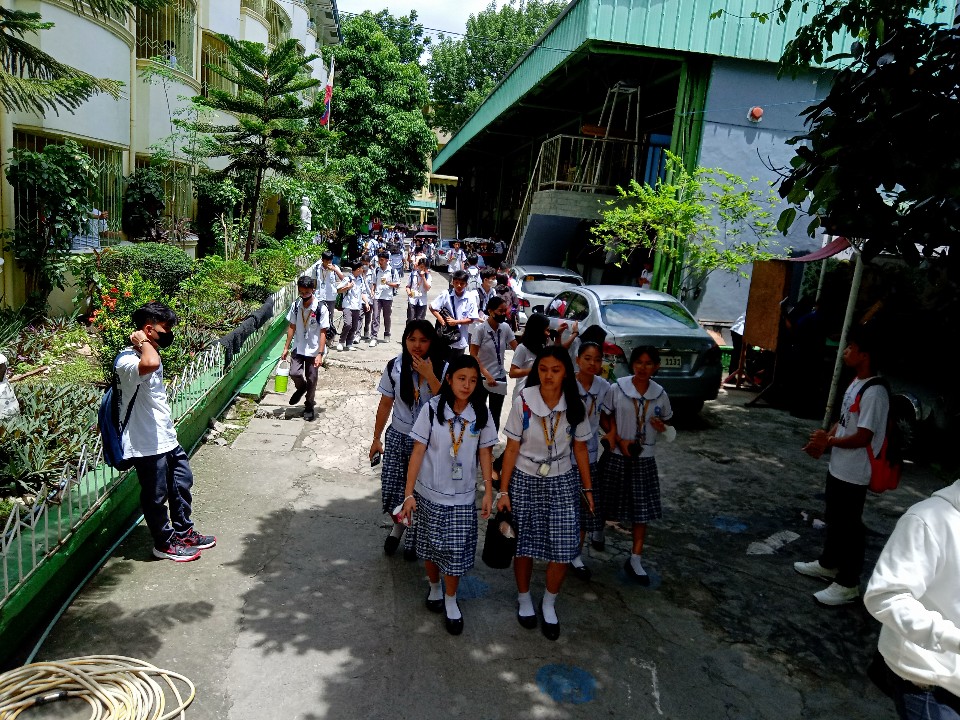
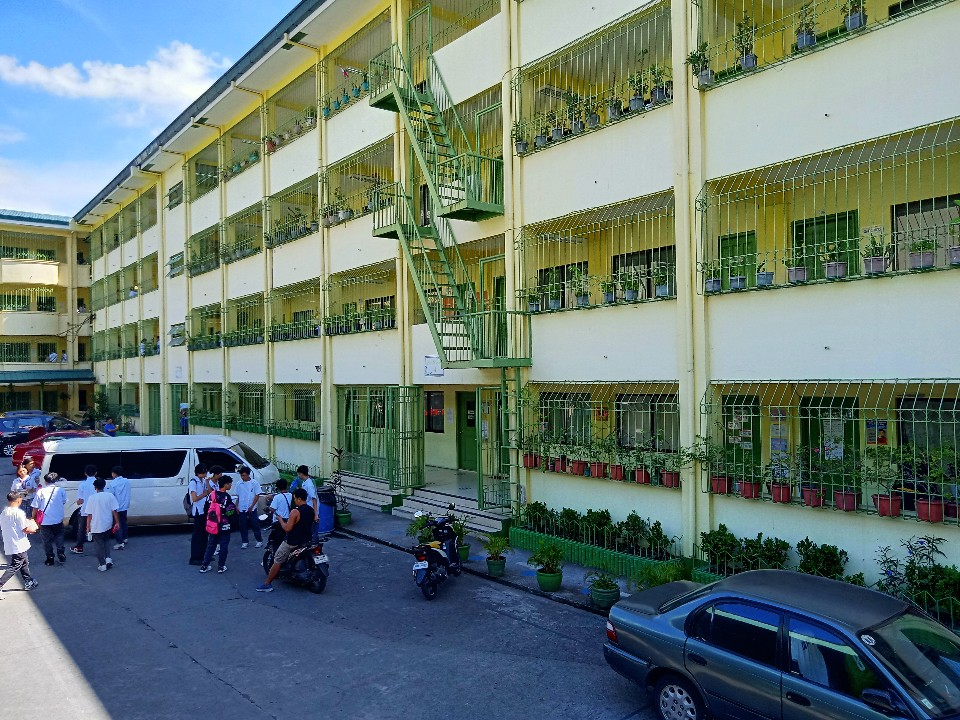
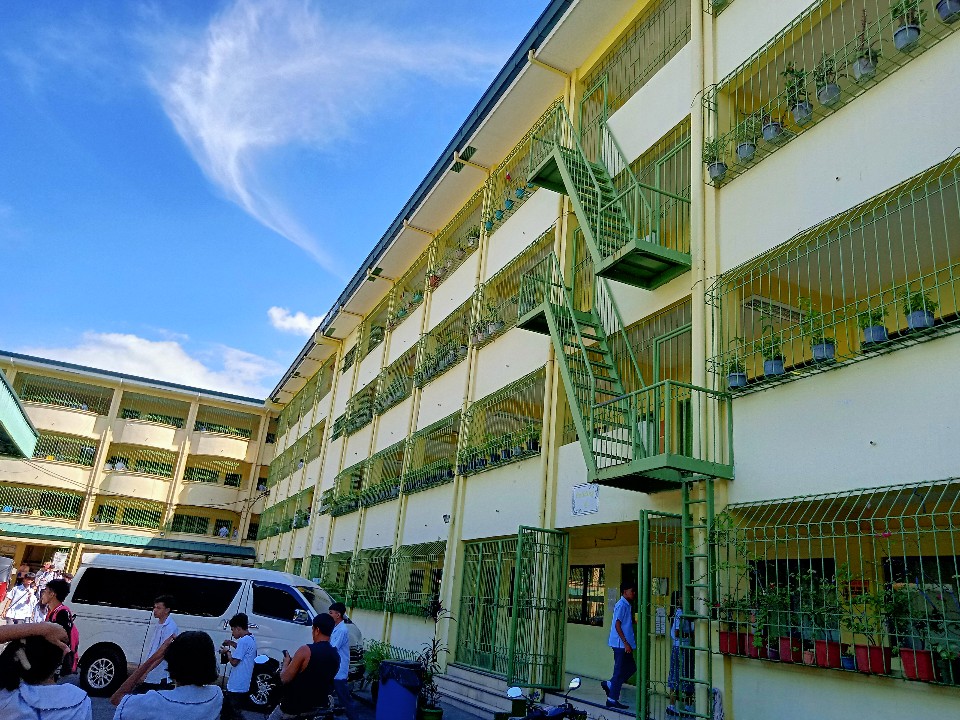
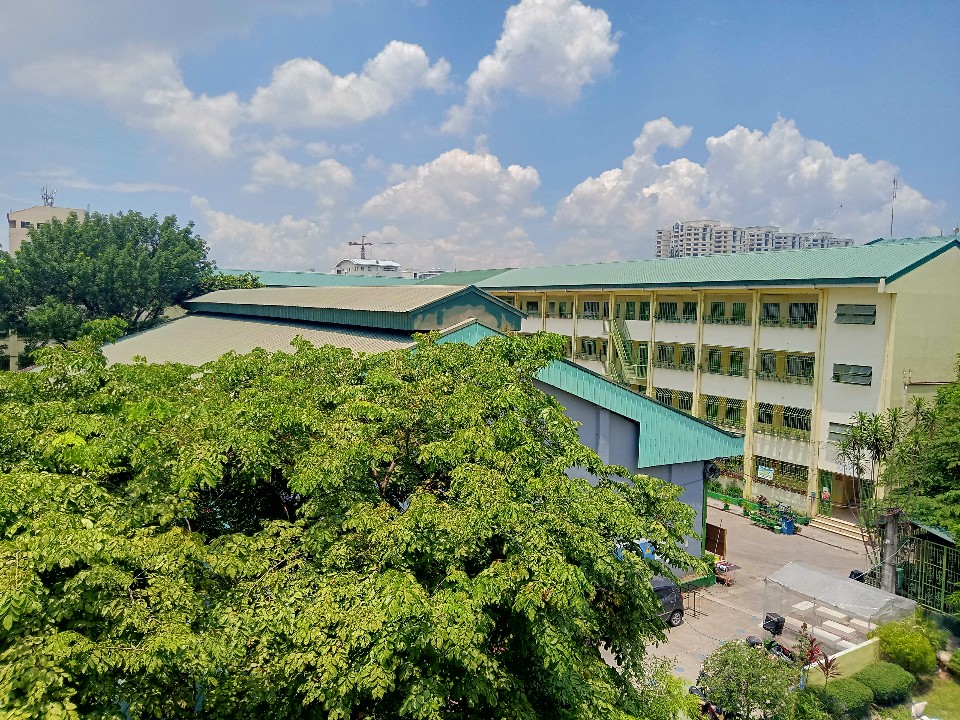
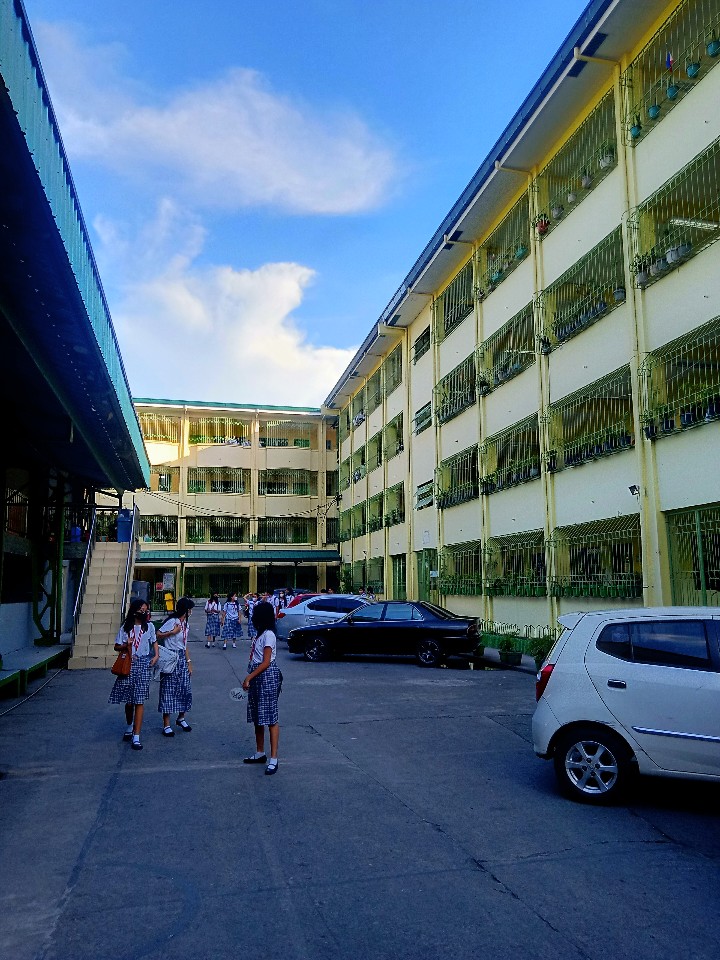
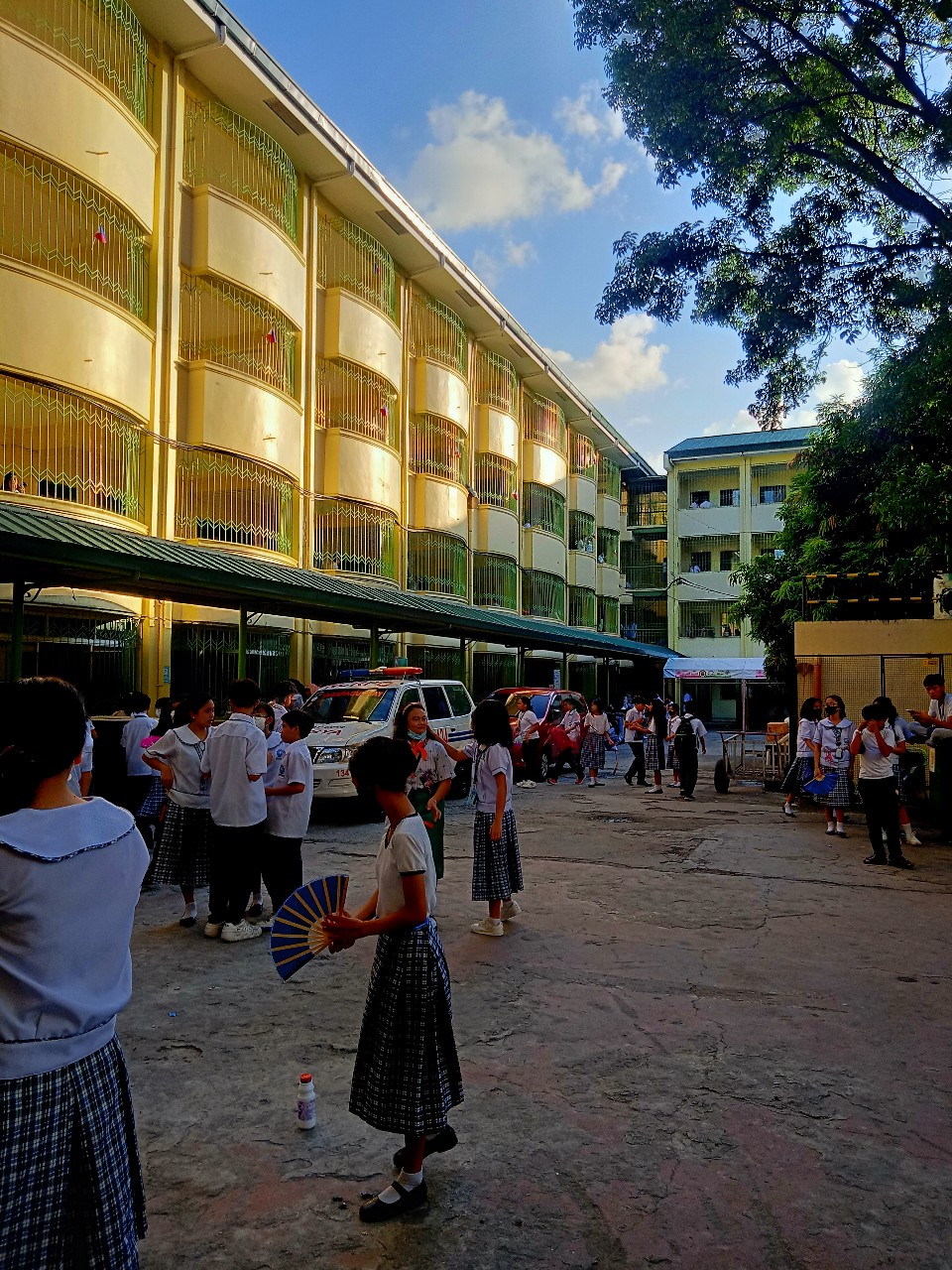
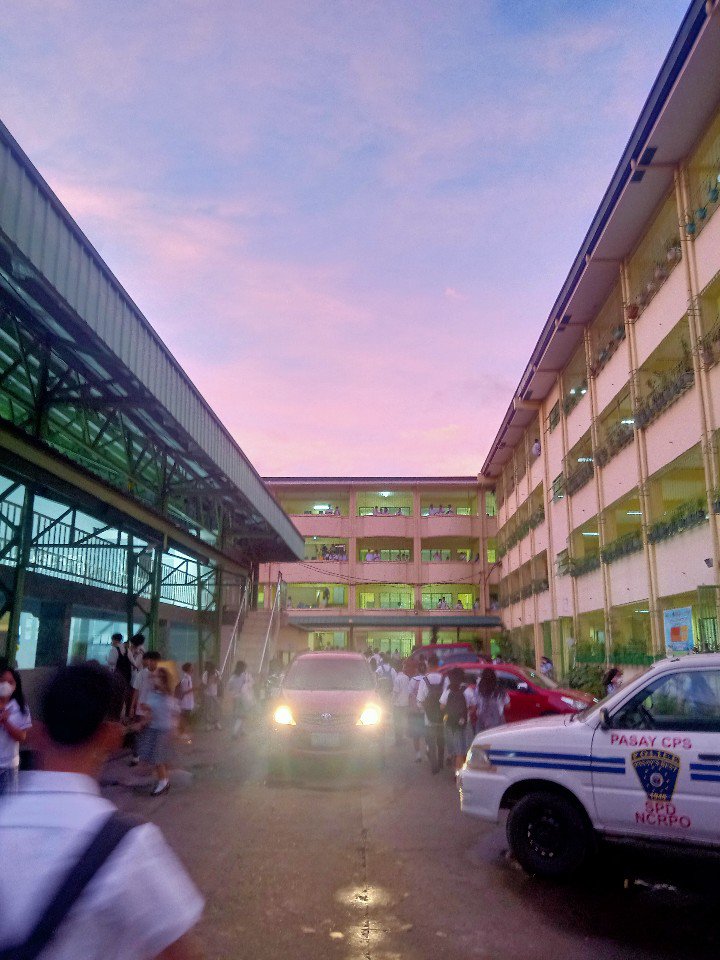
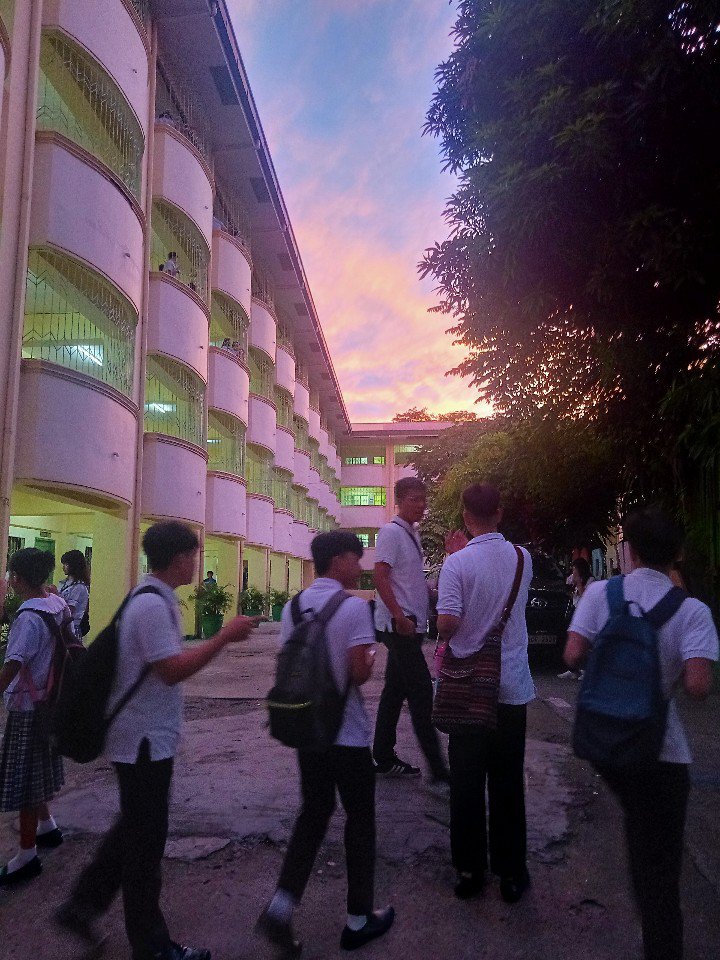
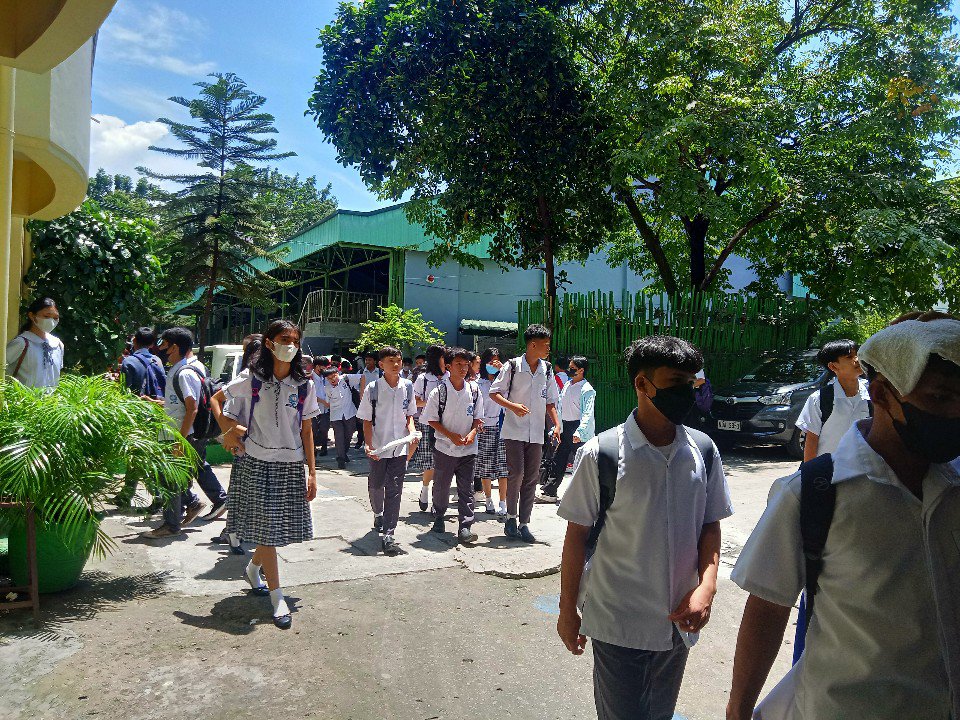
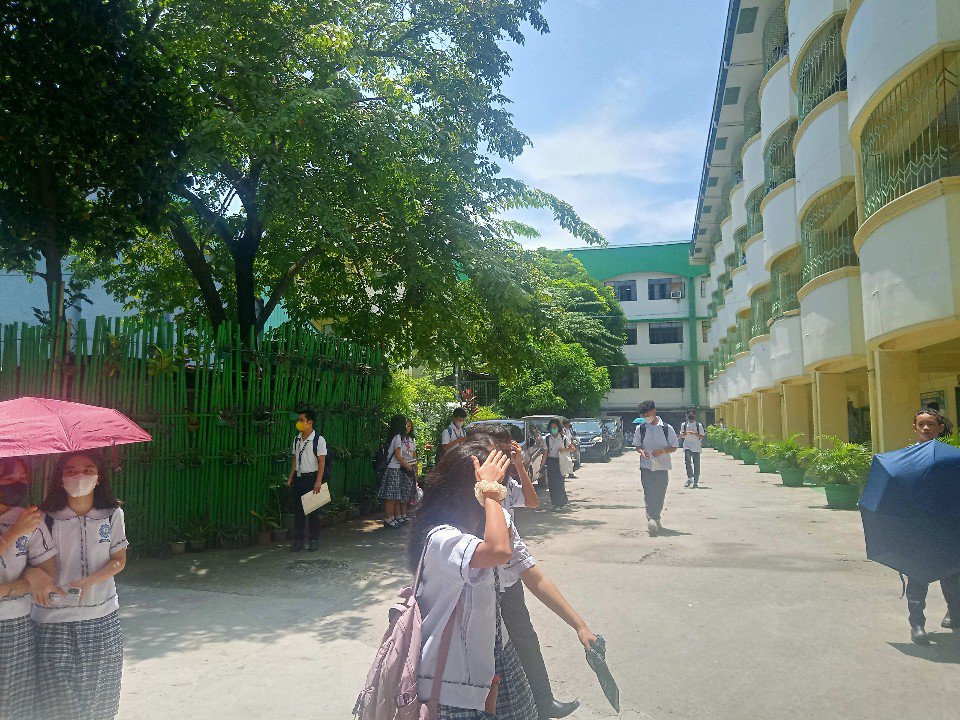
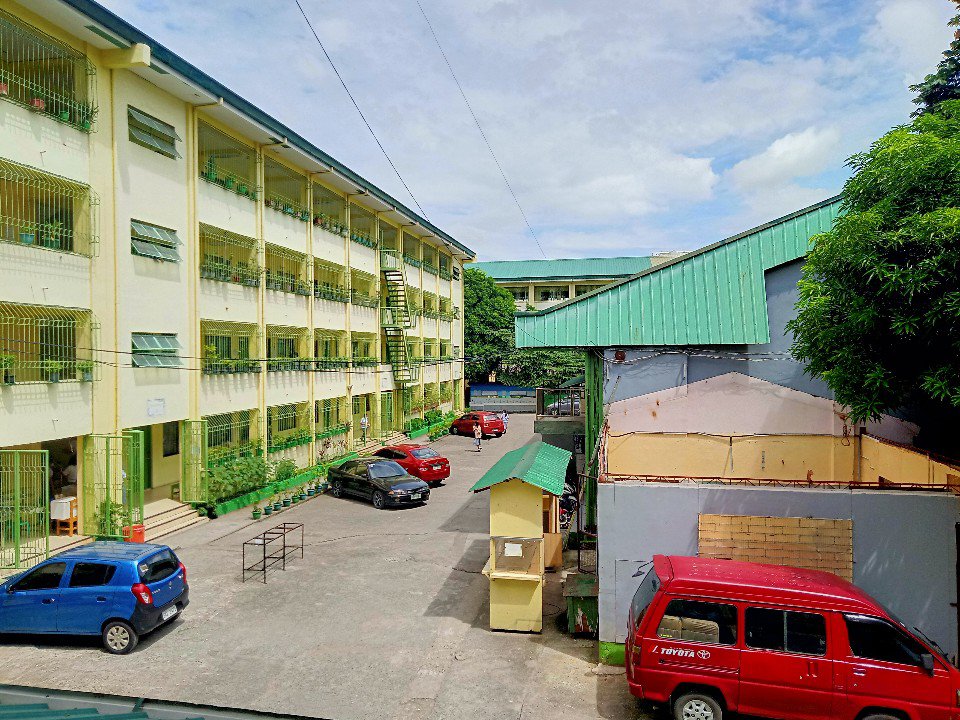
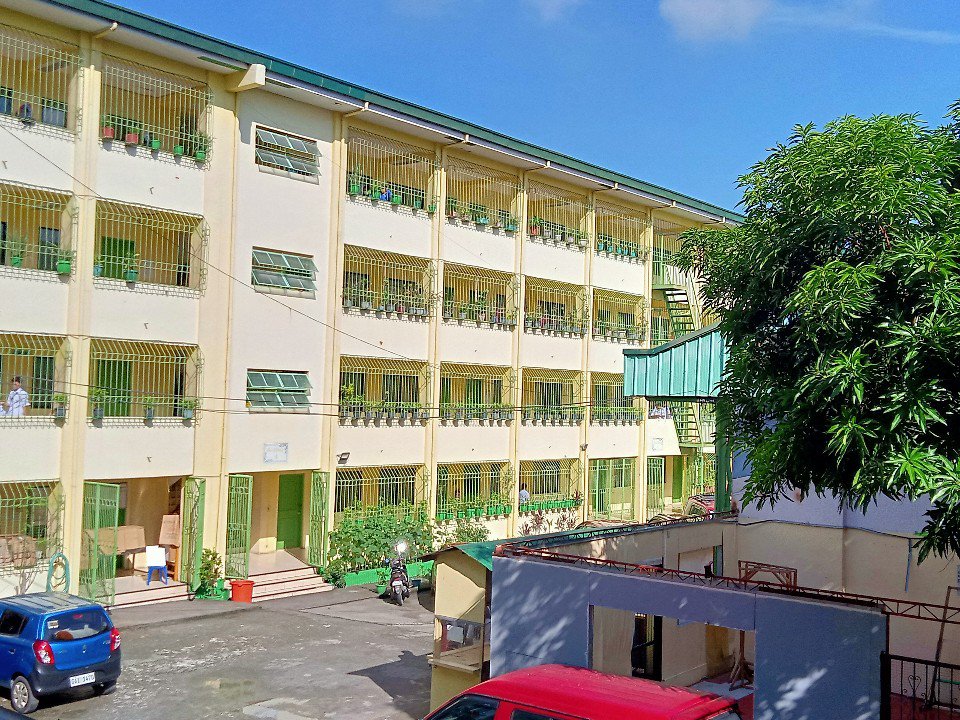
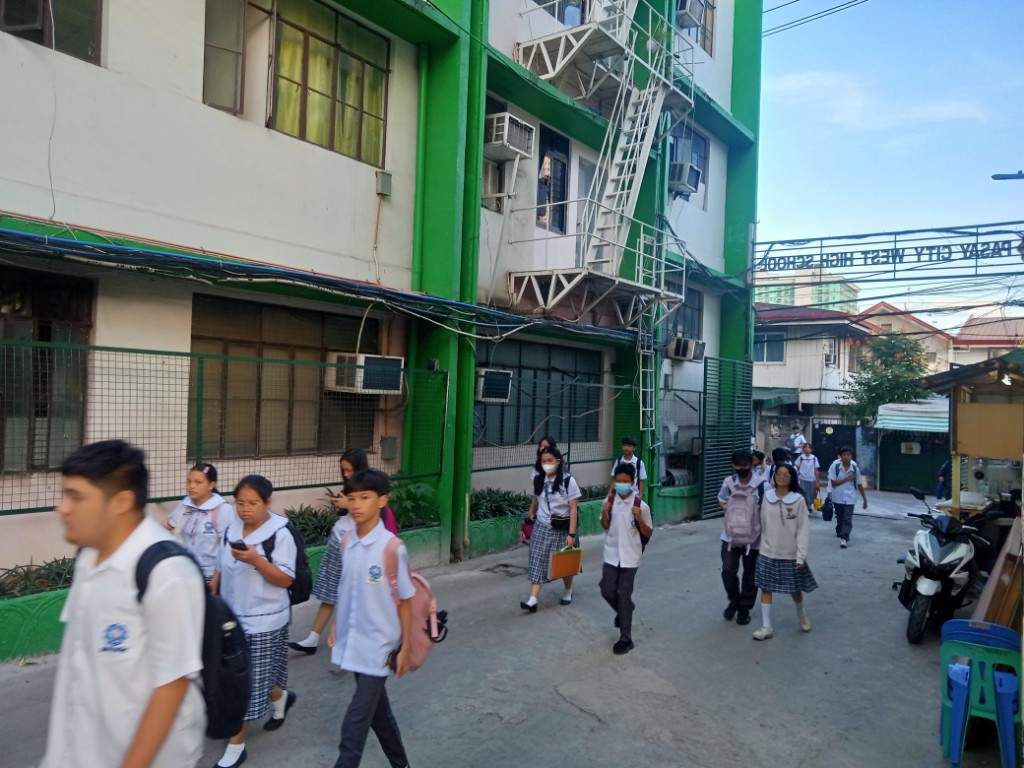
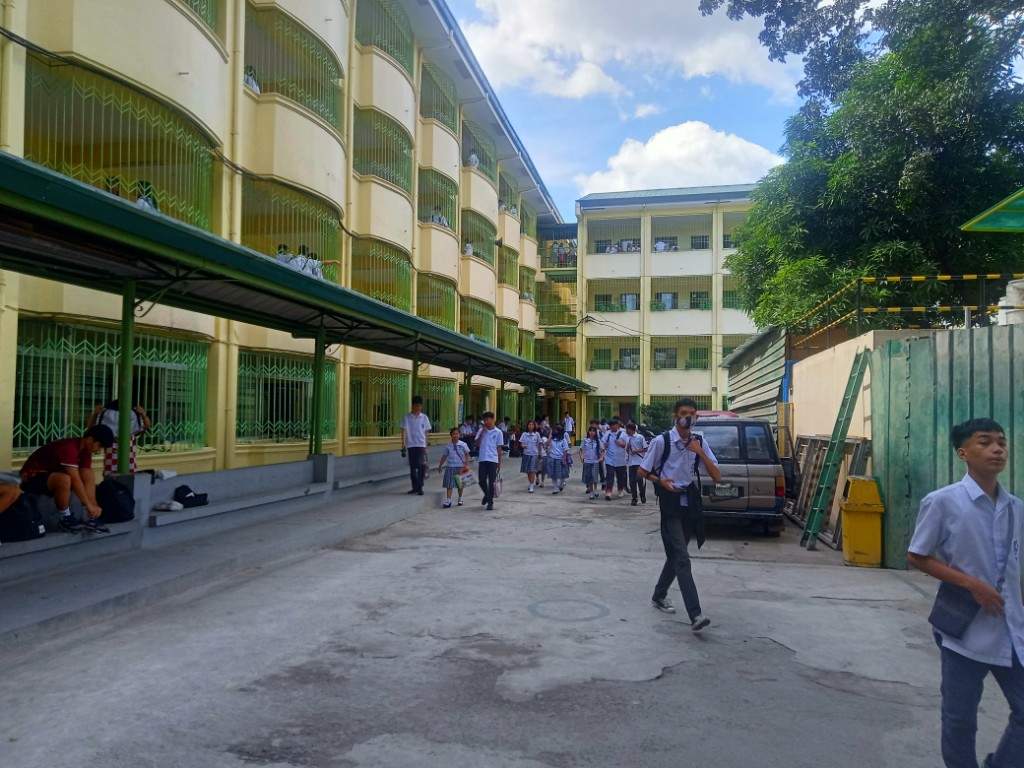
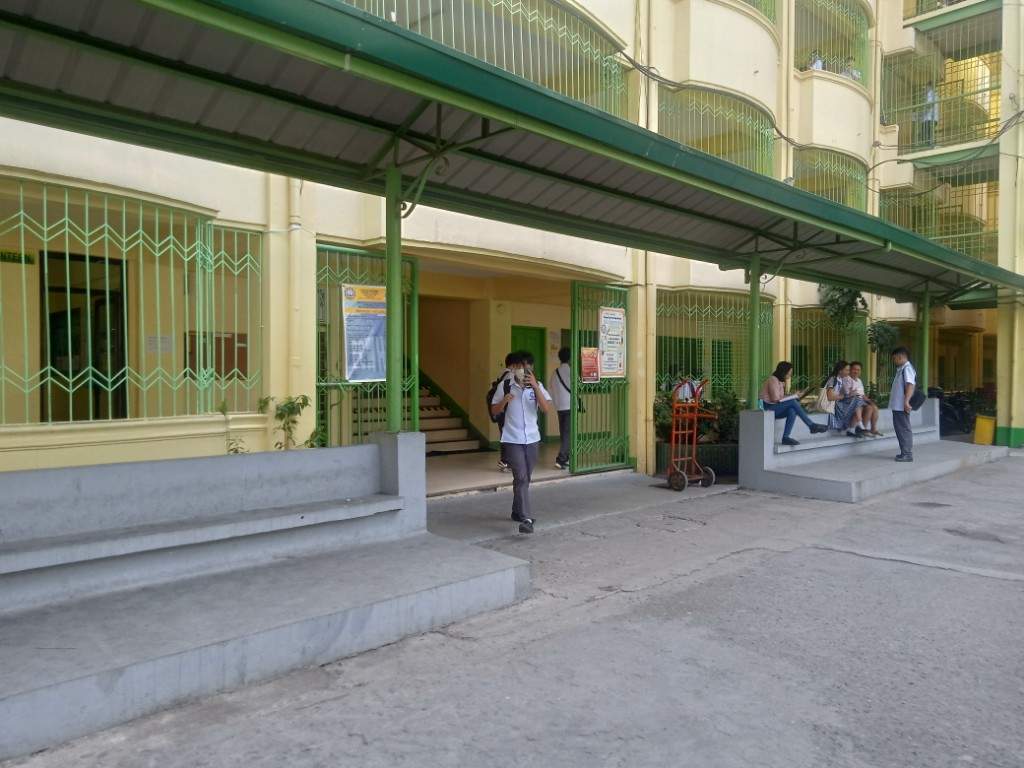
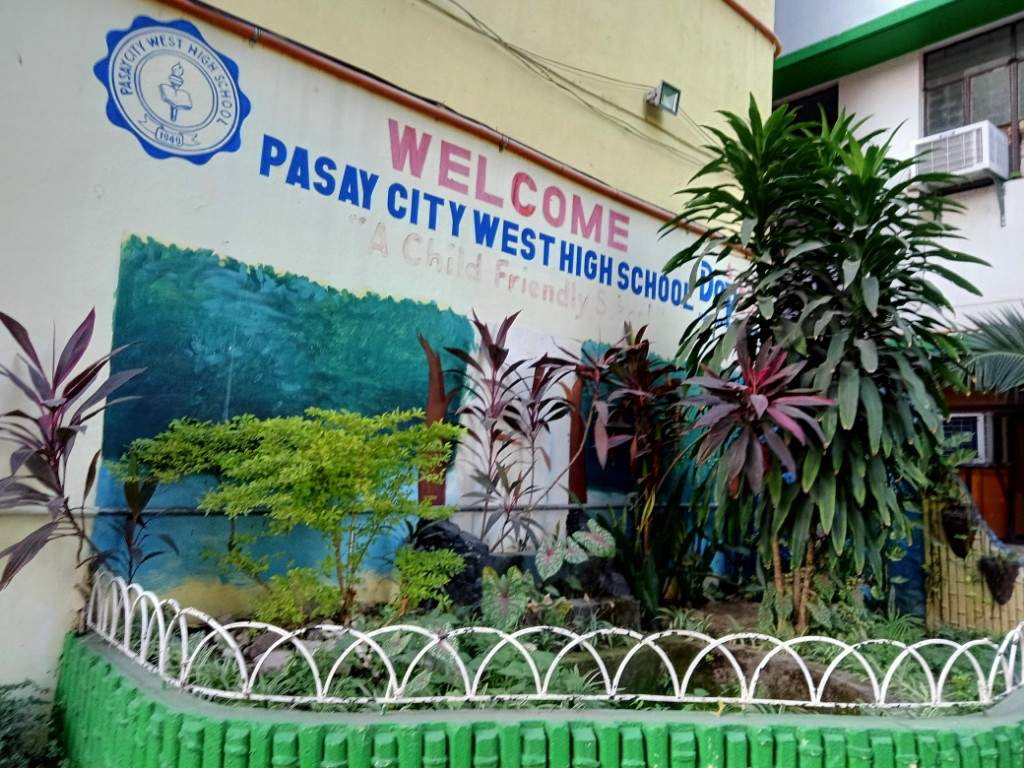
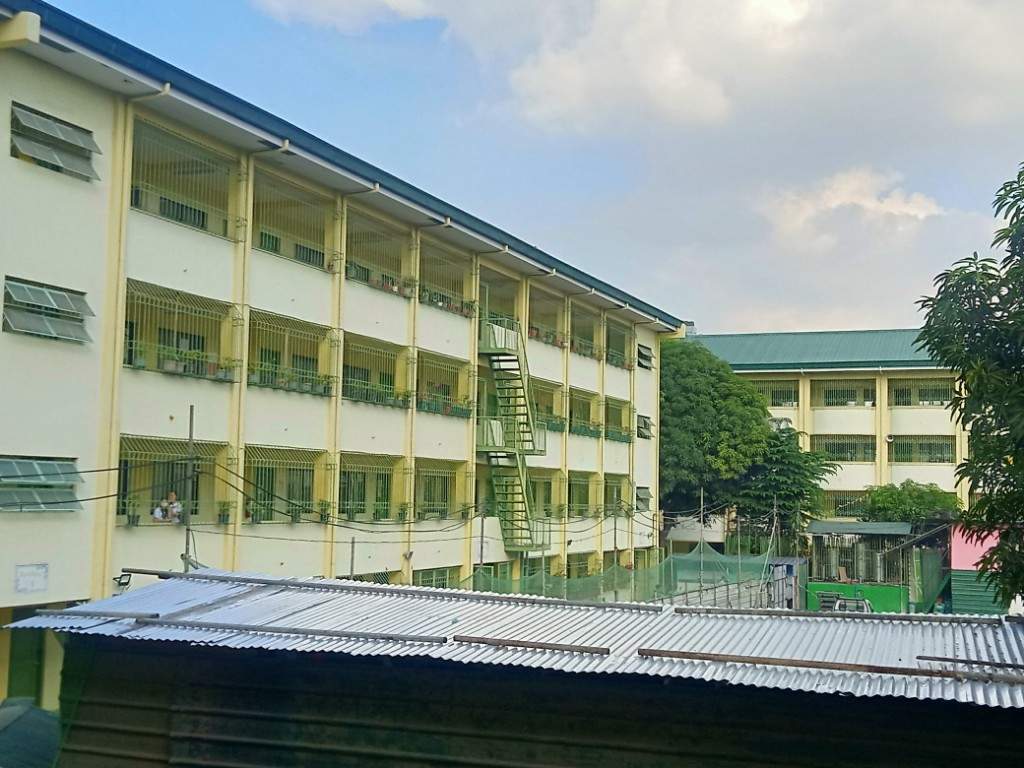
Pasay City West High School is a large public school in Pasadeña Street, FB Harrison, Pasay City, Metro Manila, established in 1949. This school occupied more than 7,500 students. The current Principal IV is Mr. Agapito Teodoro N. Manaog.
| Pasay City West High School | |
|---|---|
|
|
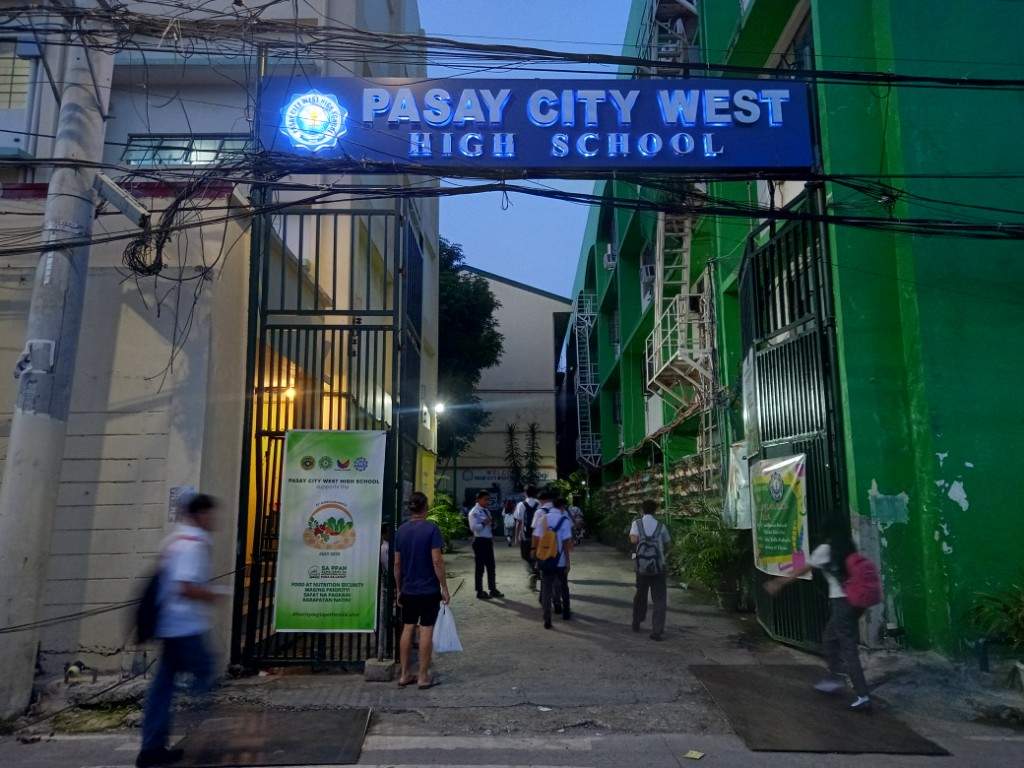
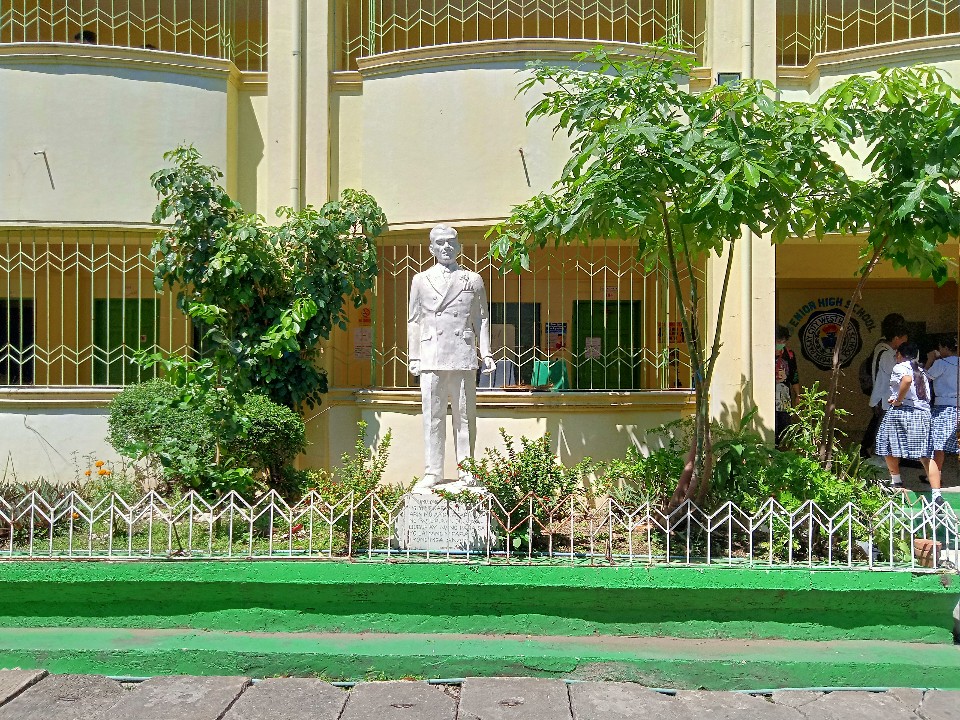
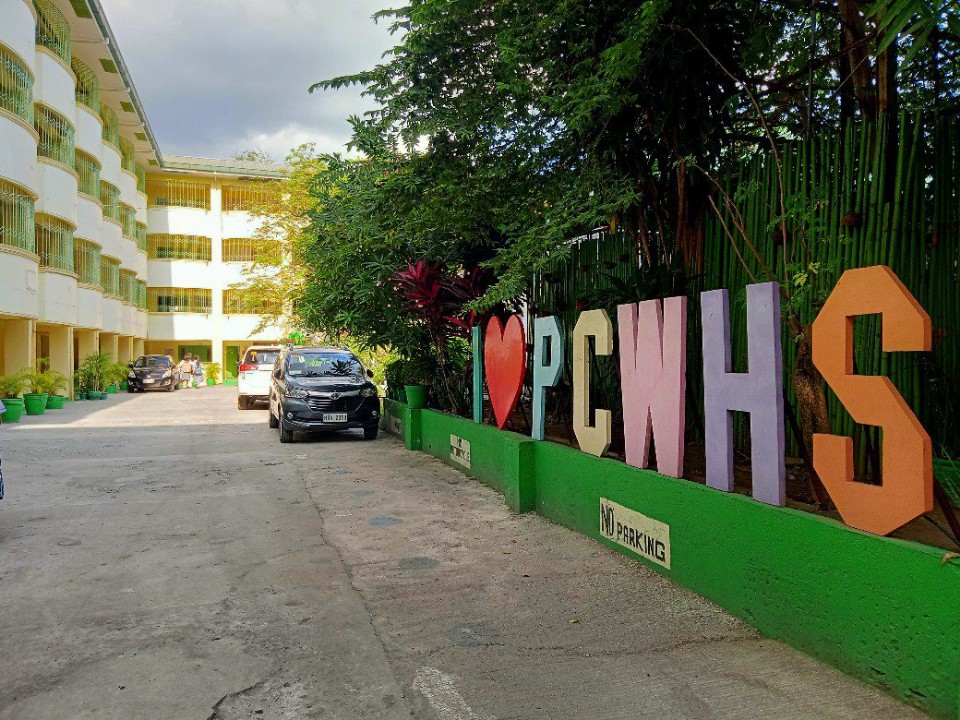
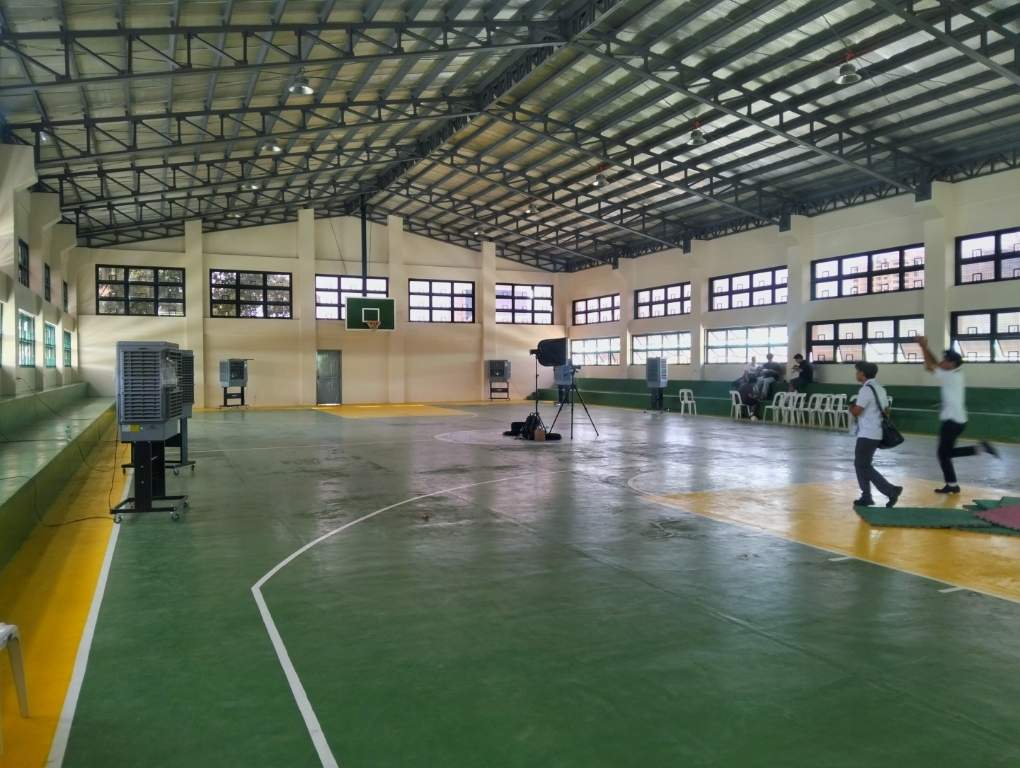
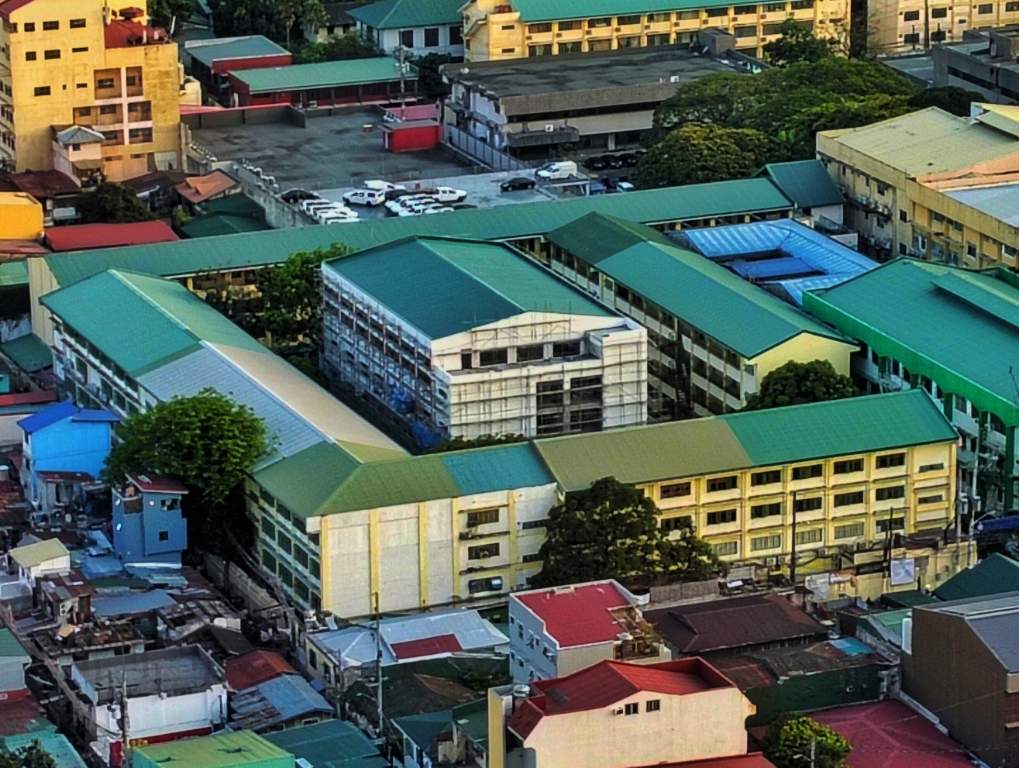
(From top, left to right)
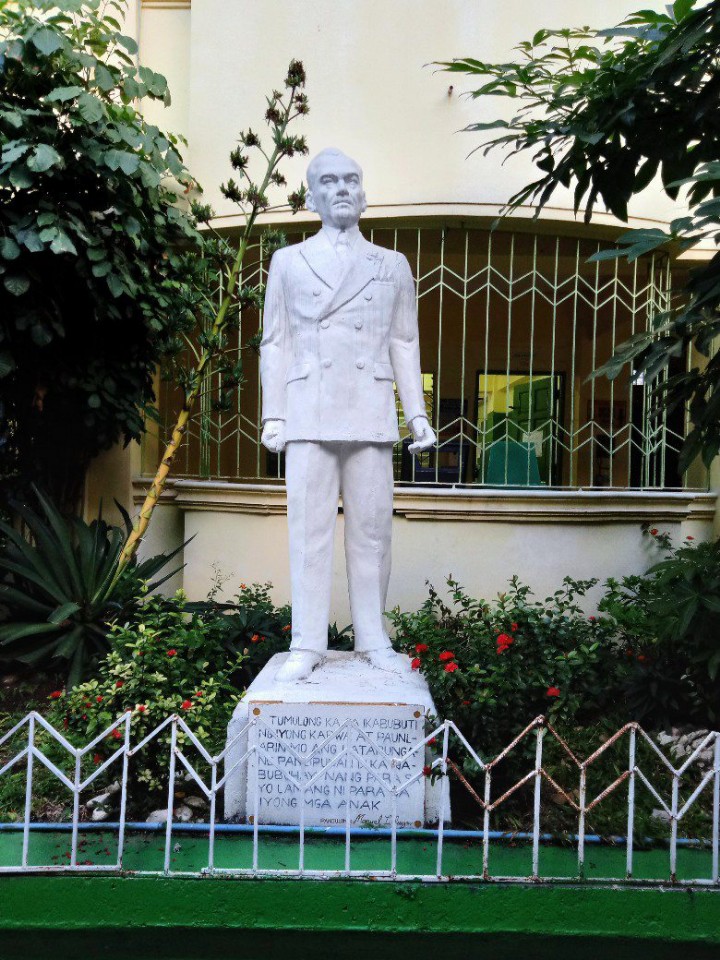
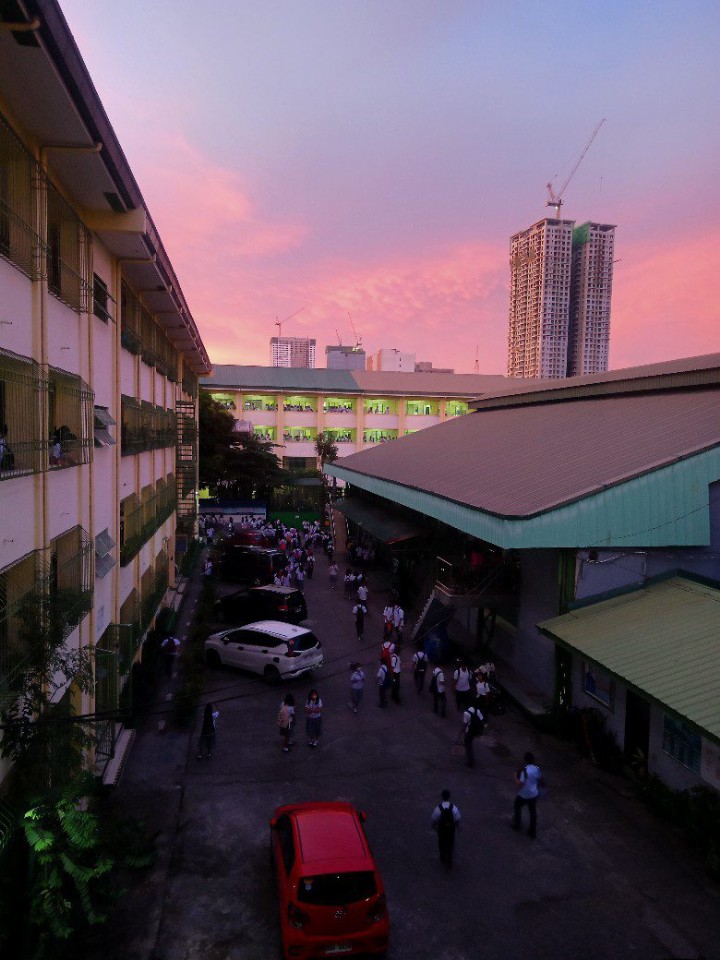
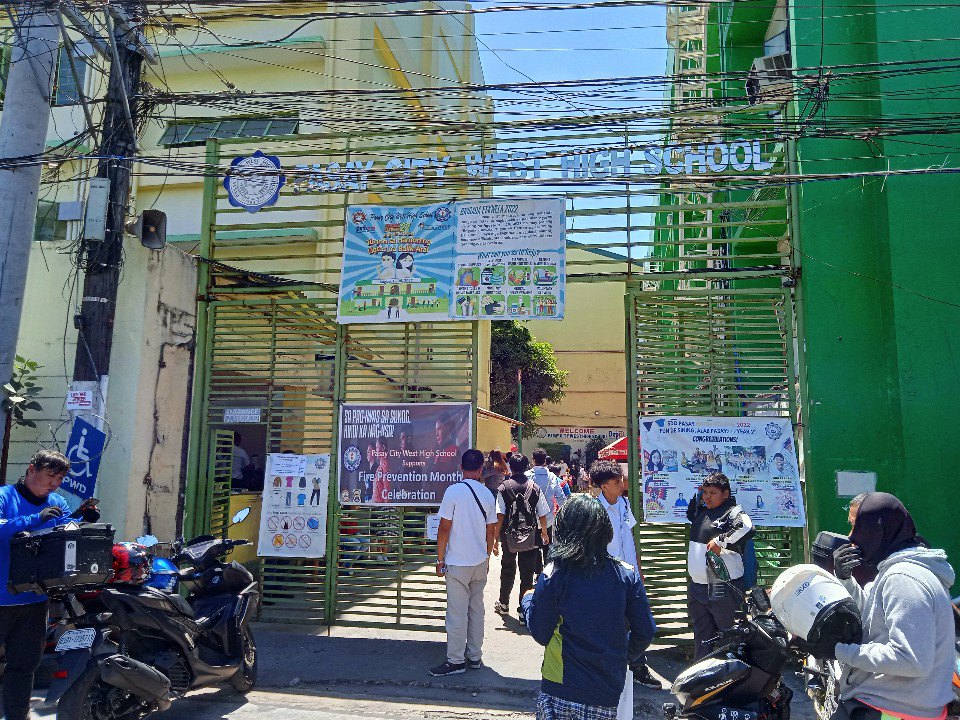
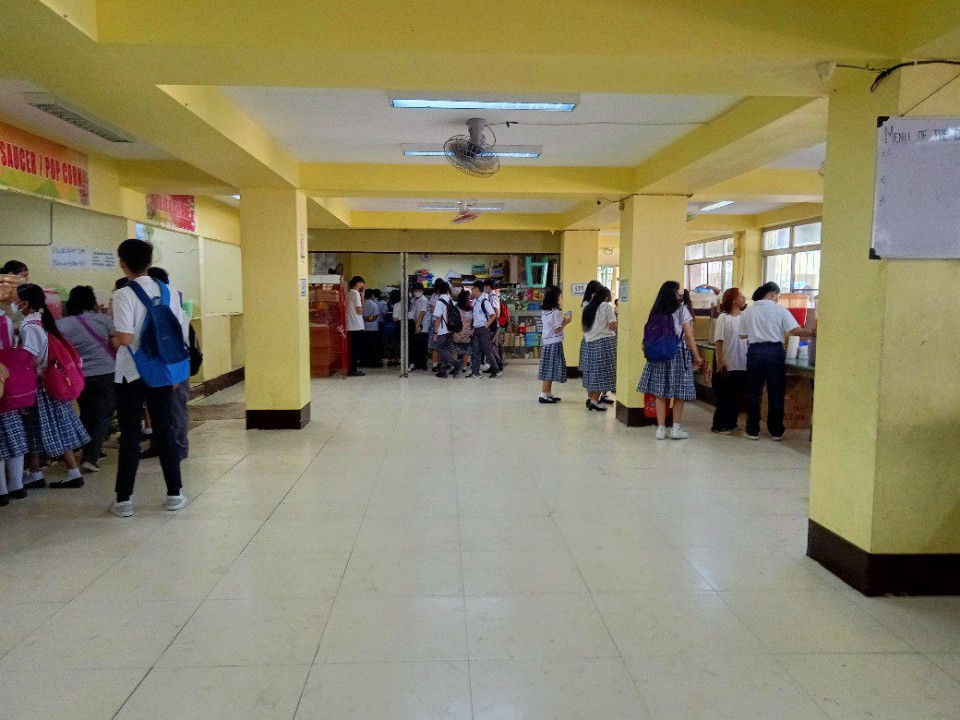
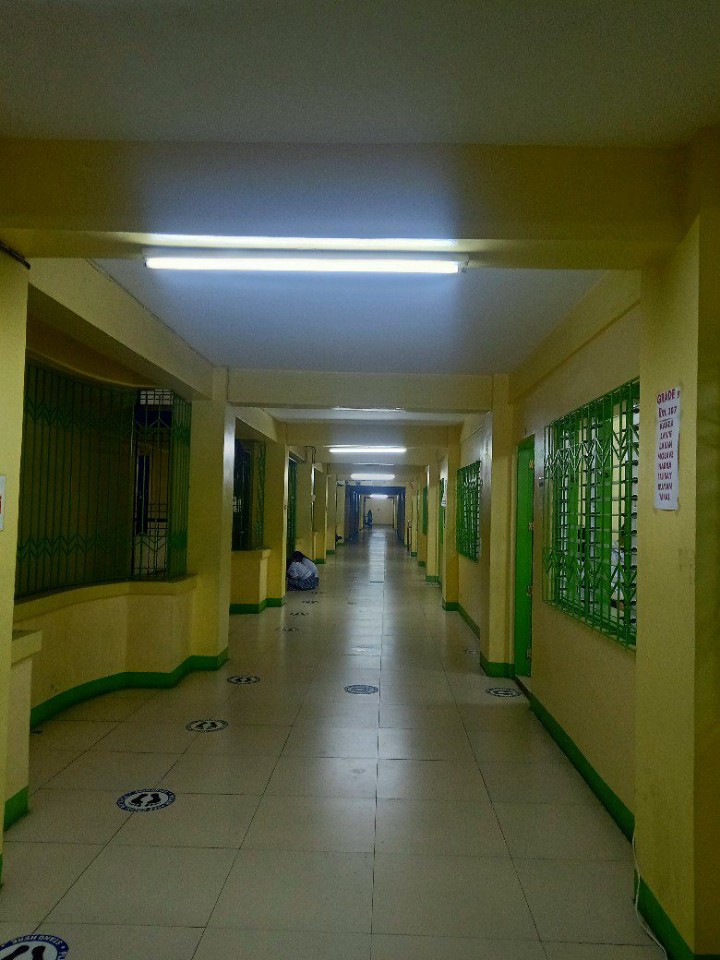
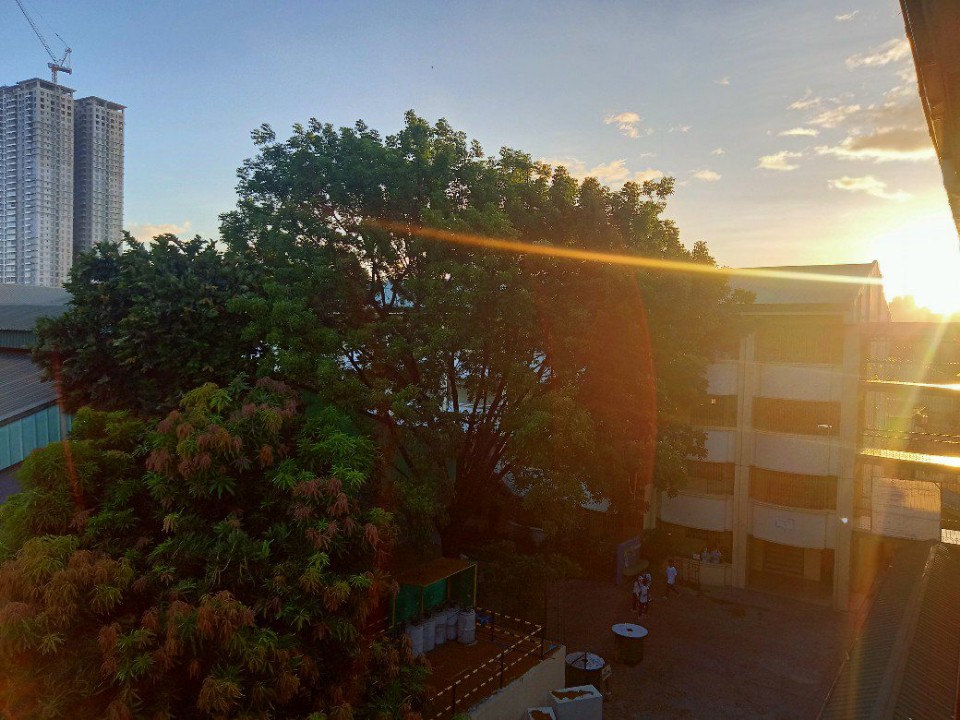
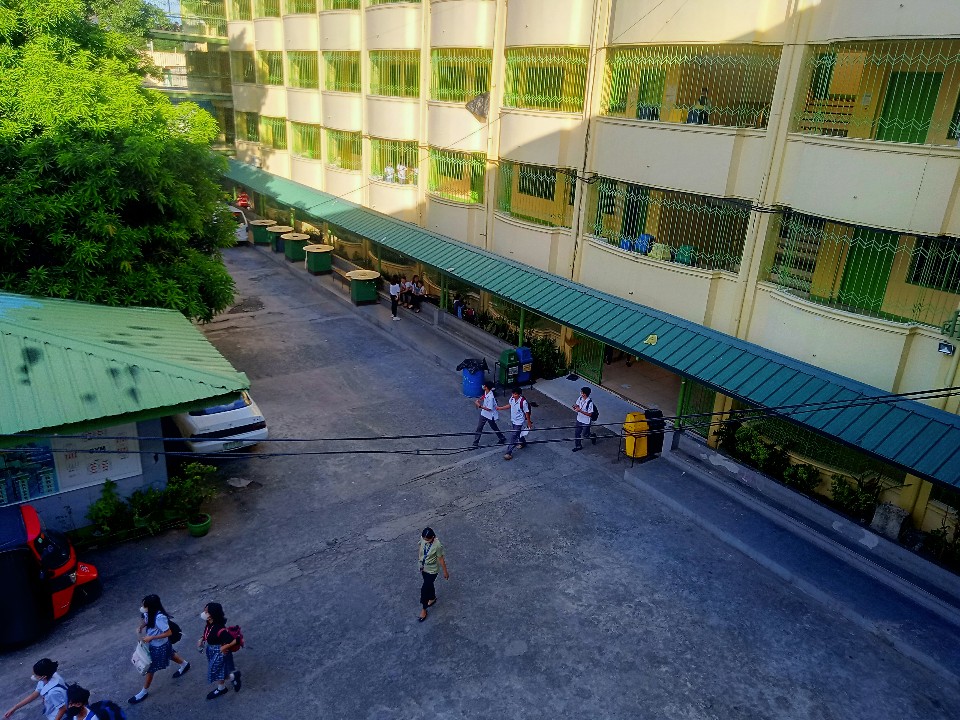
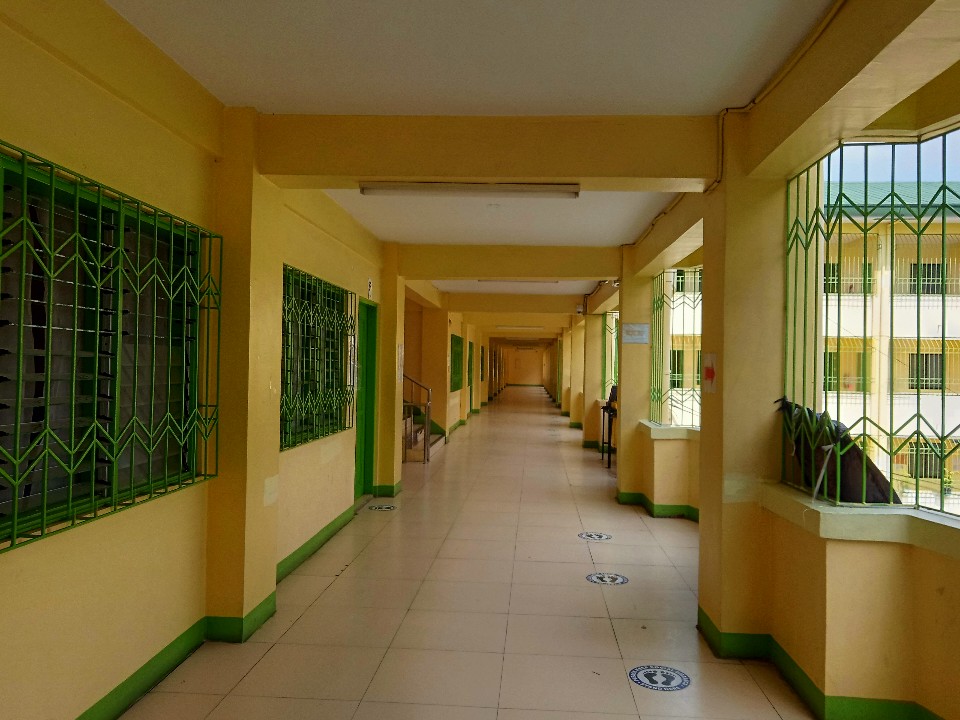
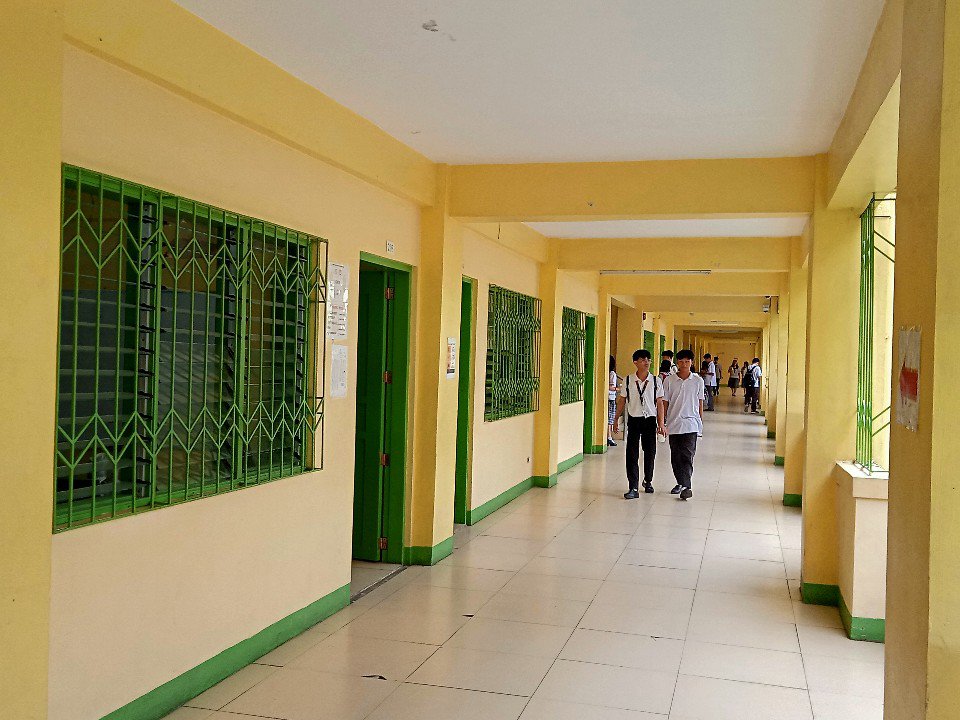
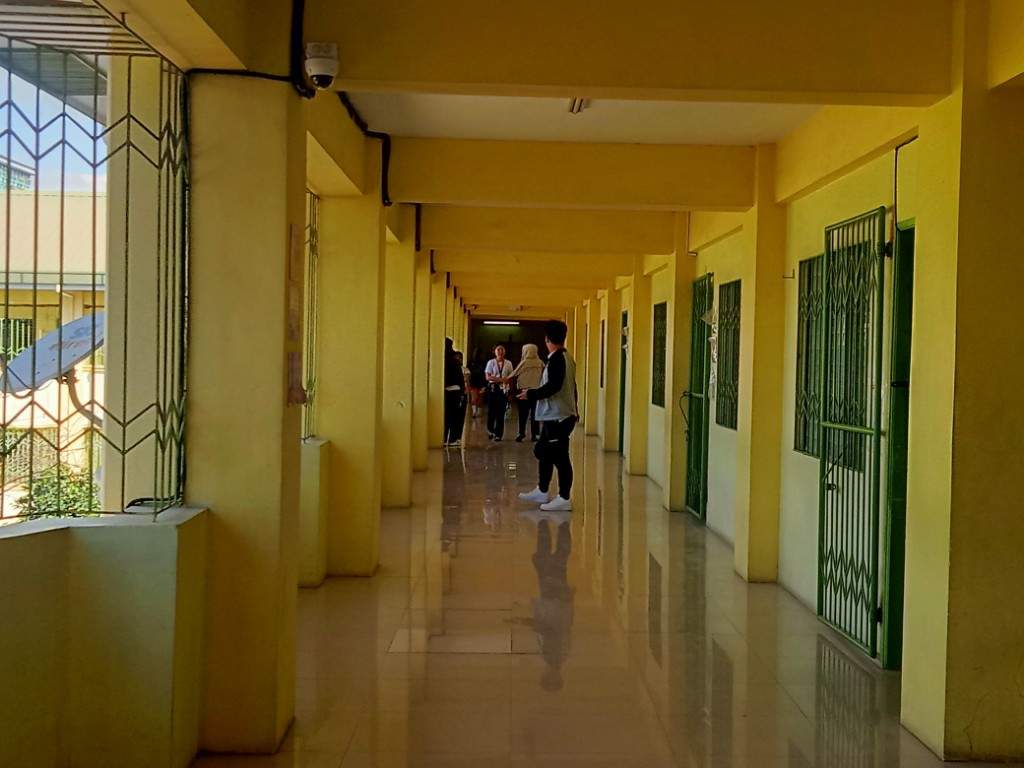
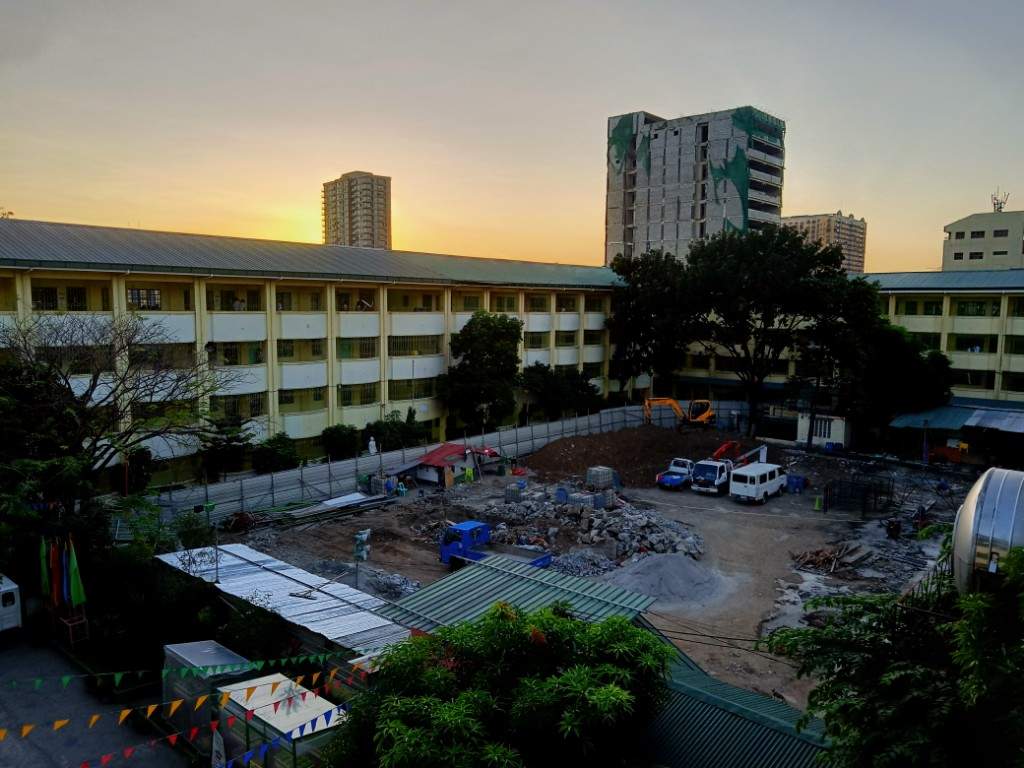
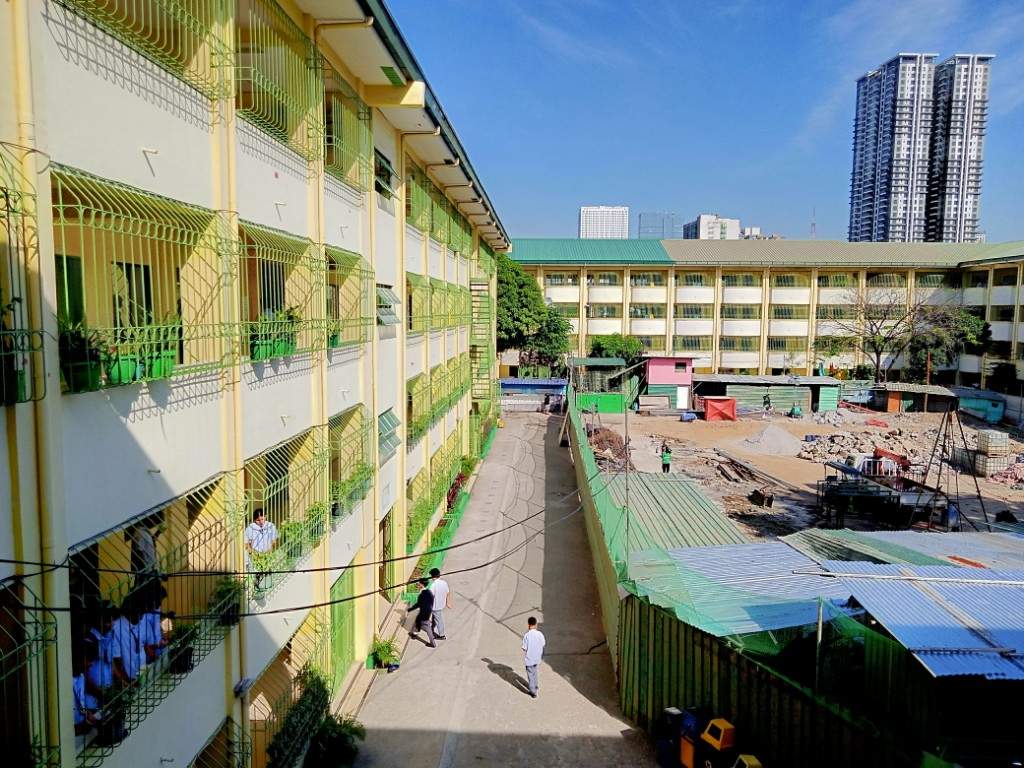
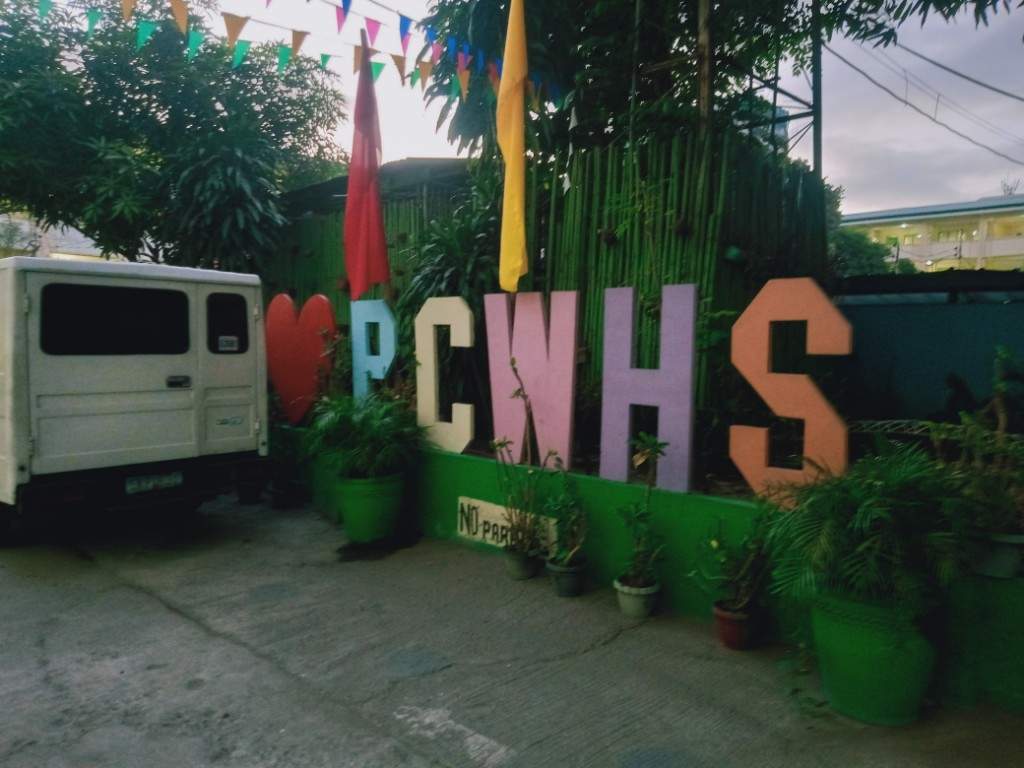
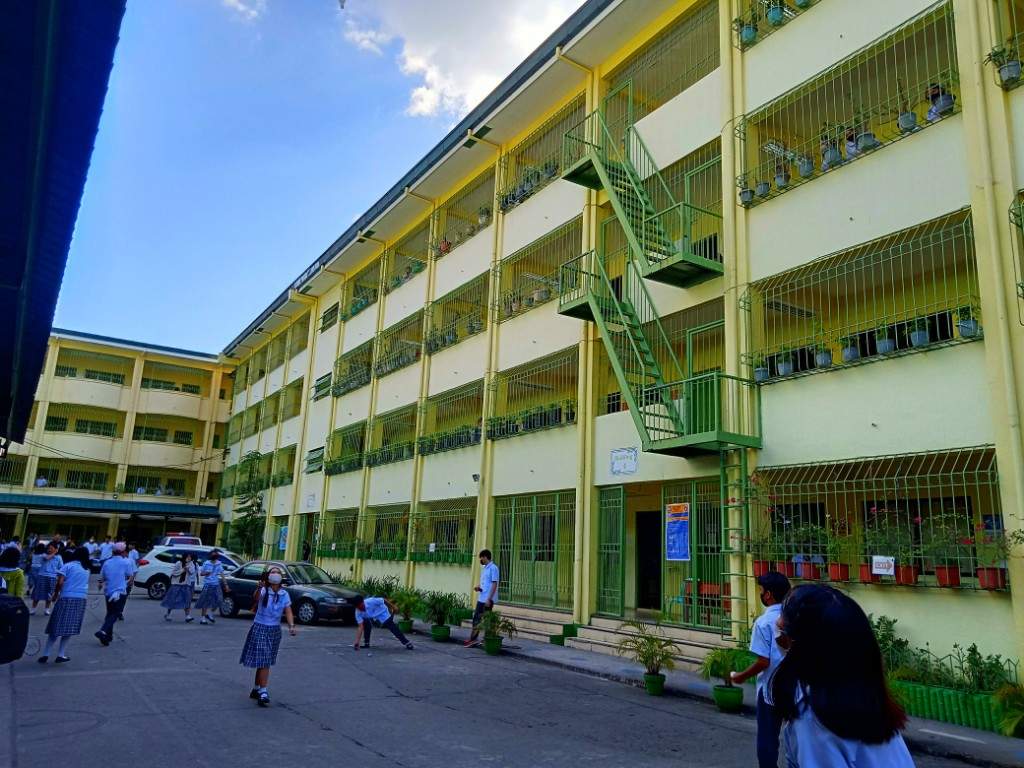
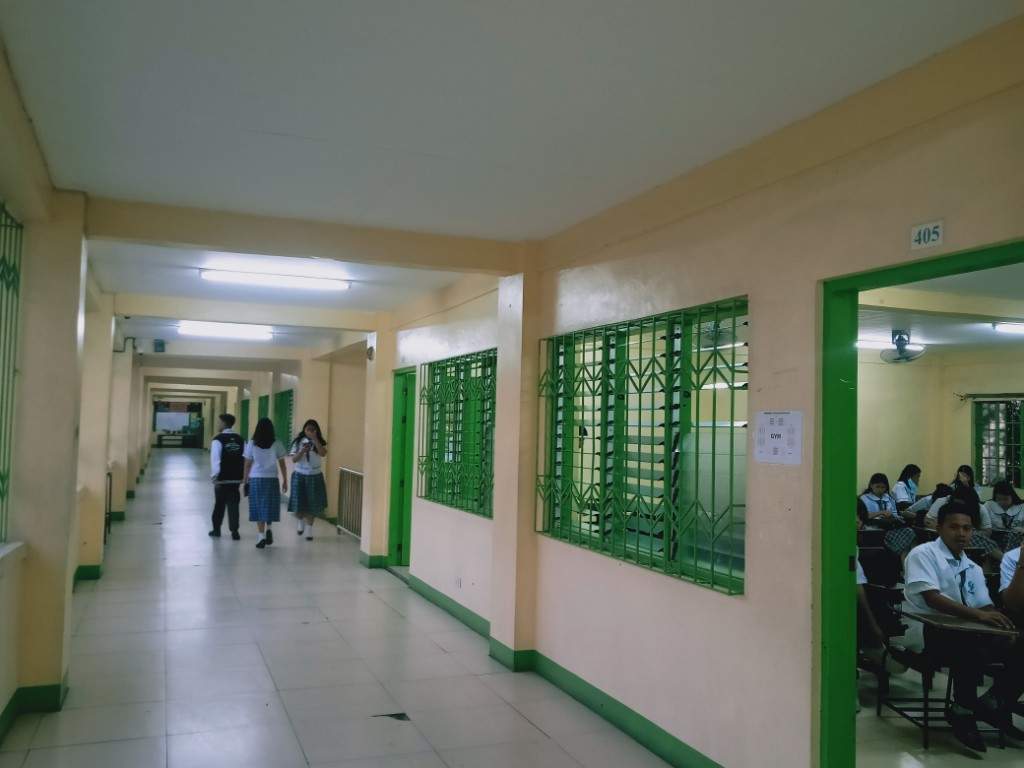
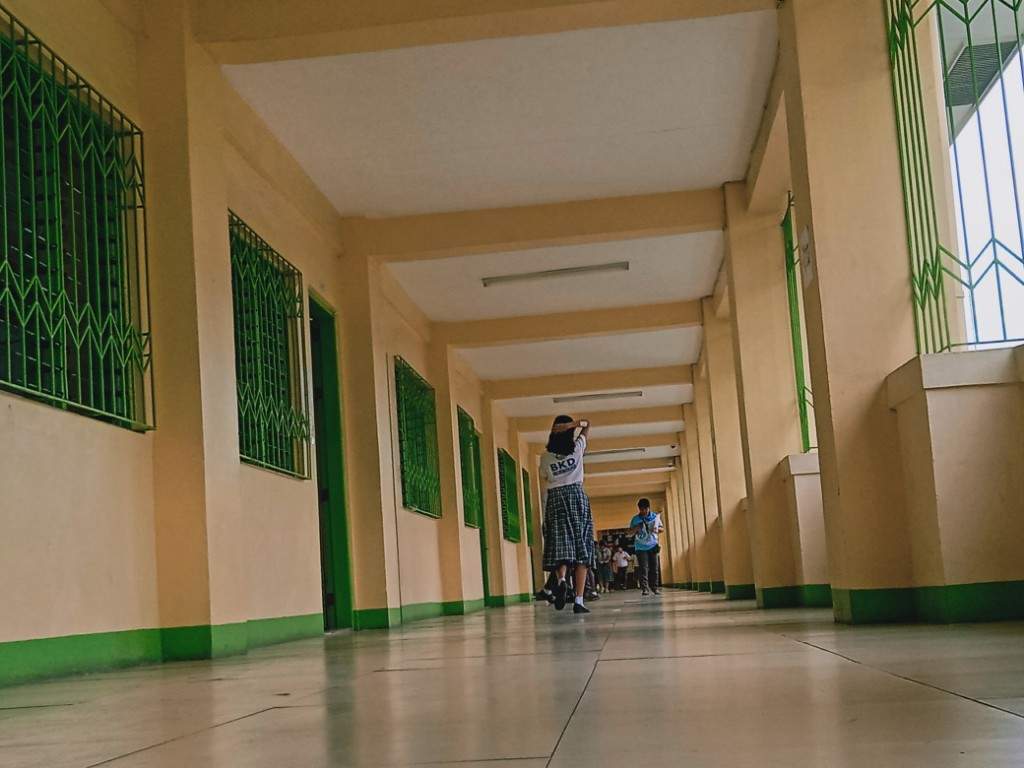
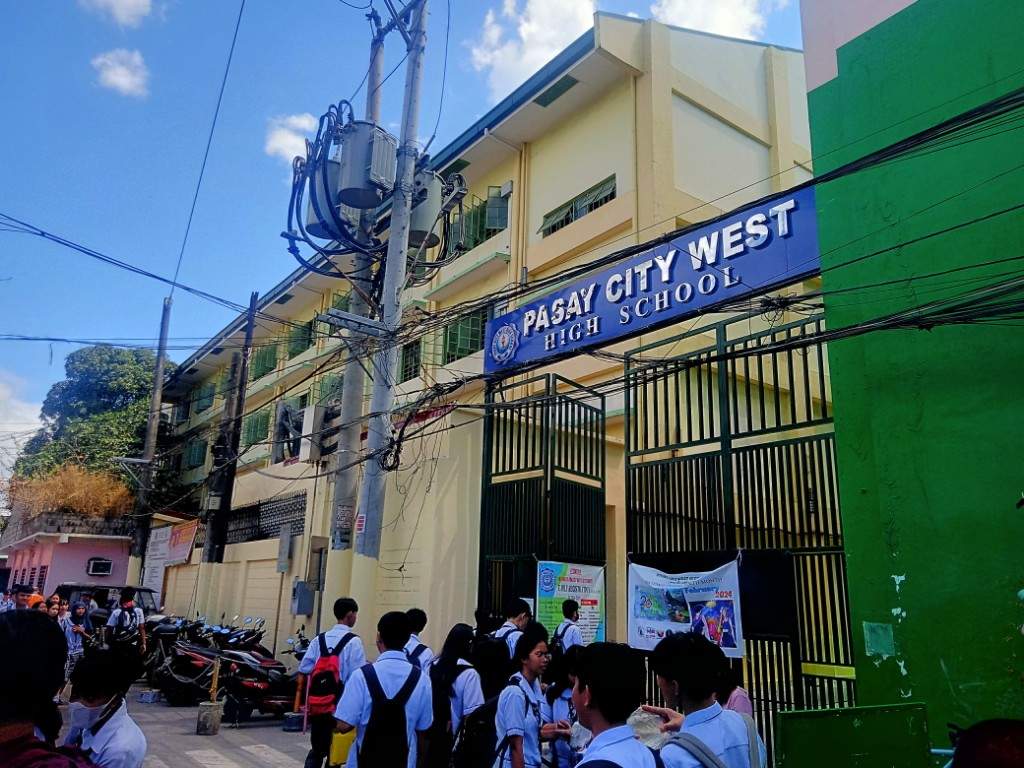
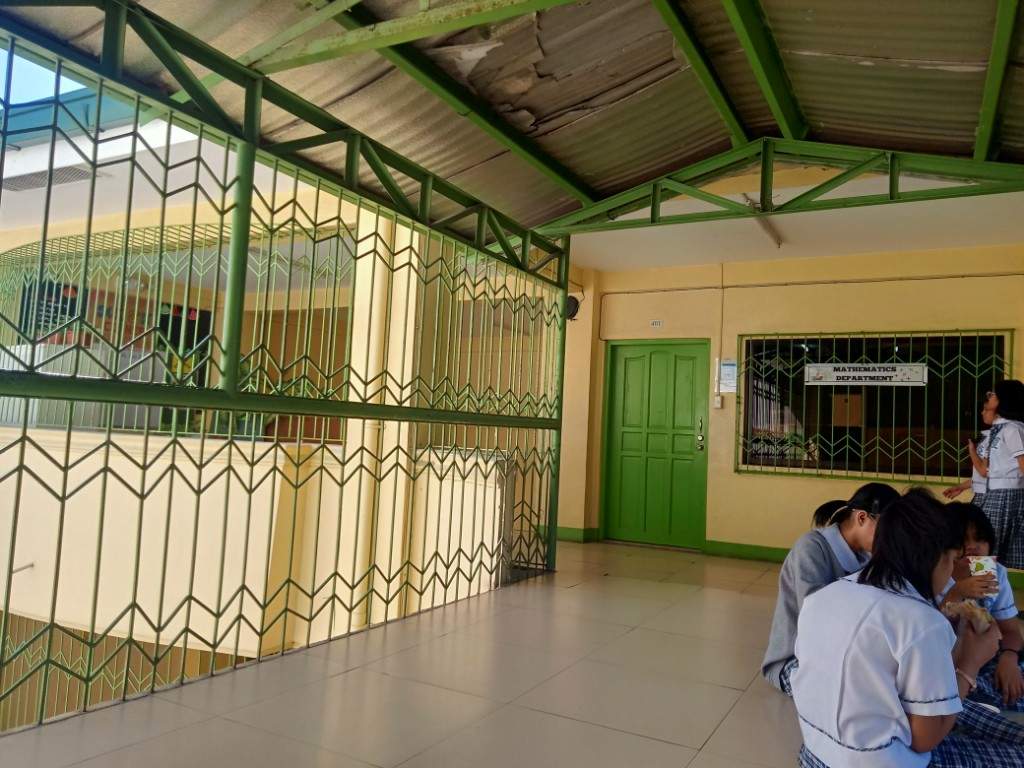
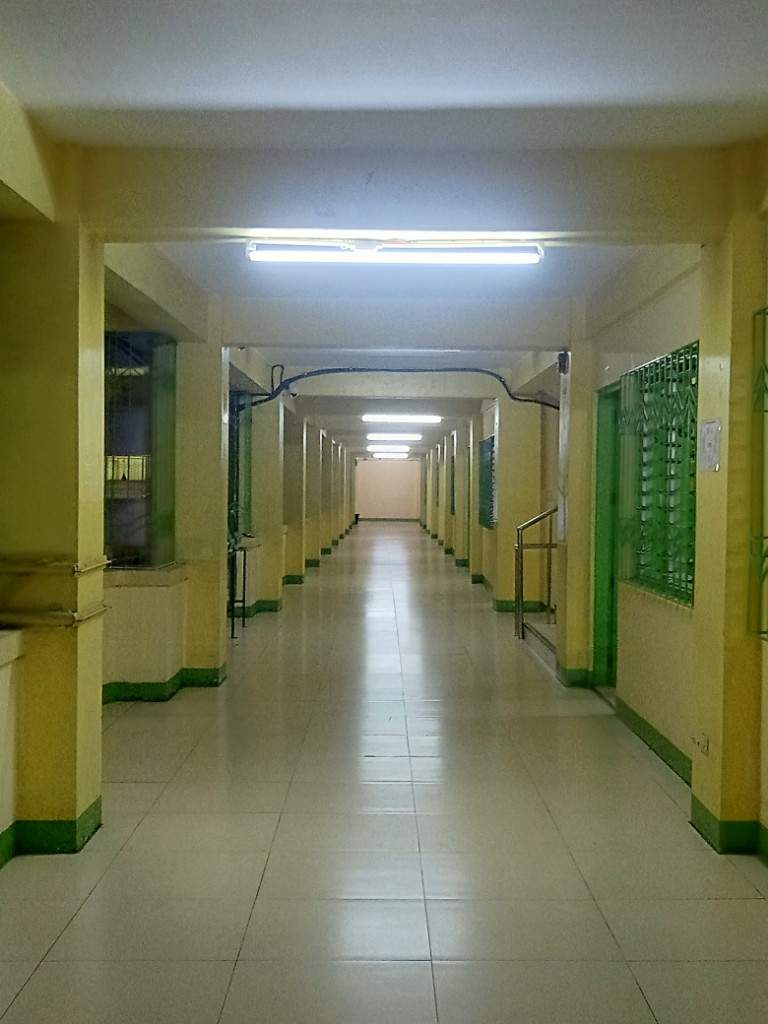
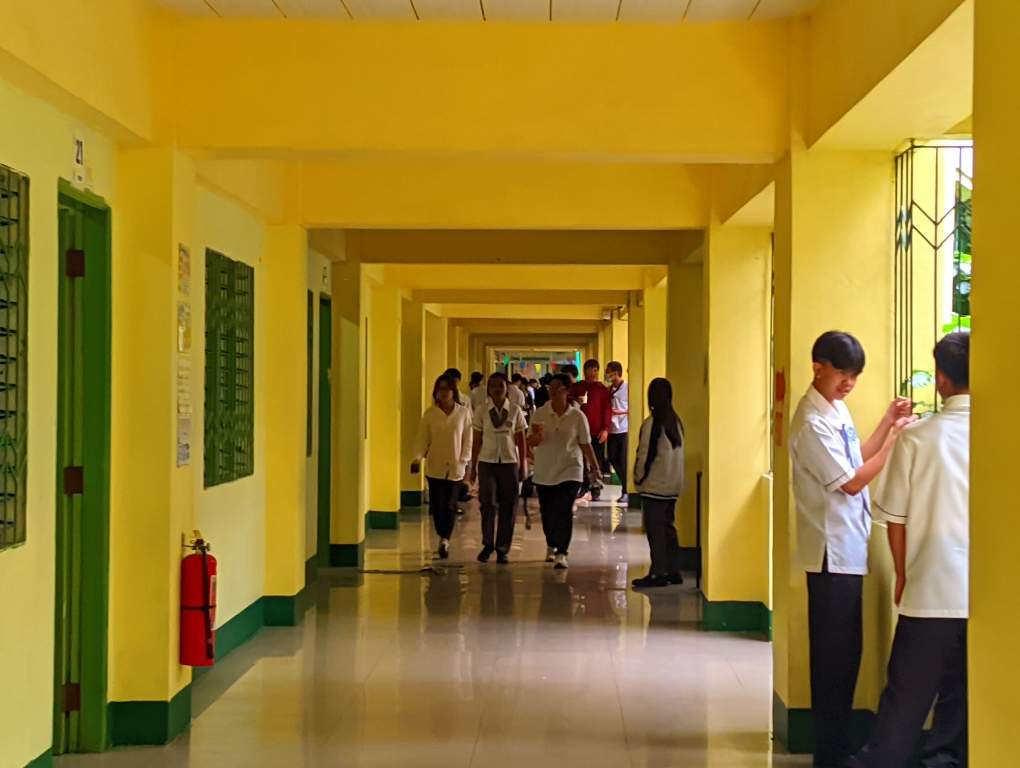
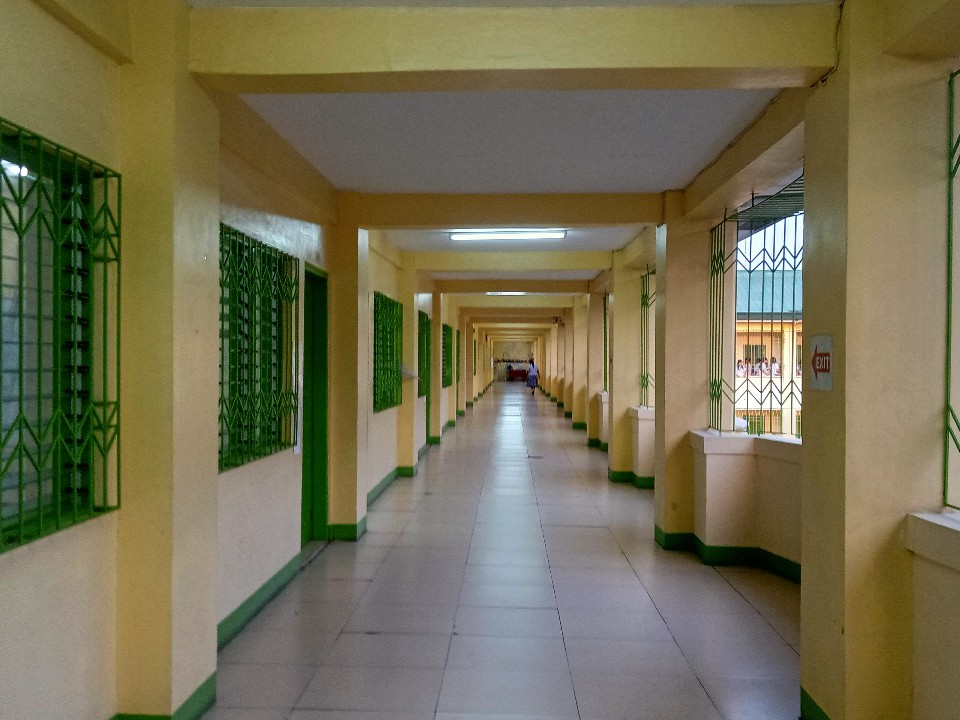
Arial view from the sky • Building 5 • Entrance gate • Manuel L. Quezon statue • I love PCWHS landscape • School gymnasium • Hallway in Building 3 4th floor |
|
| Overview | |
| Address | Pasadena Street, Pasay, Metro Manila, Philippines |
| Type | Public school |
| Established | 1949–present |
| School ID | 305368 |
| Principal | Agapito Teodoro N. Manaog |
| Assistant Principal |
|
| Grades |
Junior: 7 to 10
Senior: 11 & 12 |
| SHS strands |
|
| Number of students | Over 7,500 |
| Campus | Urban |
| Slogan | A Bearer of Excellence Rearing Empowered Nation Builders |
| Nickname | PCWHS, Pasay West, Pasay City West |
| Website | Pasay City West High School  |
| History | |
| Previous names |
|
Main article: History of Pasay City West High School
Pasay City West High School has a rich history dating back to its establishment in 1949 when it was known as Manuel L. Quezon High School. At its inception, the school operated with only nine teachers, a clerk, a janitor, and a modest 234 students. These early days were characterized by resource constraints, but the institution's commitment to education was unwavering.
In its inaugural year, students of various ages from Pasay City attended classes in an old building divided into nine classrooms. Despite the limited resources, the first year marked a resounding success. Over the next two school years, enrollment surged by nearly 100%, drawing students not only from Pasay City but also from neighboring Manila and municipalities like Makati, Parañaque, Taguig, Las Piñas, and Muntinlupa.
As the number of enrollees continued to grow, significant challenges arose. The school faced the daunting task of accommodating more students and providing adequate teaching staff. Nevertheless, city officials, led by the late Mayor Carlos Revilla, remained undaunted. They raised funds from various sources, securing a 10,292 square-meter lot along FB Harrison Street. A year later, a 23-room school building was erected, inaugurated on August 25, 1952, with then Vice President Fernando J. Lopez as the guest speaker.
However, as more schools adopted the name of President Manuel Quezon, a decision was made to rename the institution. Under the leadership of Mr. Bernardo A. Fajardo, the first Principal, the school achieved new heights over eighteen years.
Mrs. Anita H. Pizarro succeeded Mr. Fajardo, taking the helm of leadership. Under her tenure, the school witnessed significant growth, with added classrooms, hired teachers, and improved facilities. Yet, the enrollment continued to rise, necessitating further expansion. This led to the creation of Pasay City East High School in Malibay District and Pasay City South High School in Nichols Air Base, which later became Villamor Air Base.
The school has remained a pillar of education in Pasay City, maintaining its reputation as a leader among public secondary schools. Over 75 years, it has evolved, adapted, and flourished. Today, Pasay City West High School, in addition to its Regular Program, offers Special Programs such as Science, Technology and Engineering (STE), Special Program in Foreign Language (SPFL) in German and Mandarin, Open High School, and Alternative Learning System (ALS) for Out of School Youths.
Through the dedication of its leaders, educators, and students, Pasay City West High School continues to provide quality education and uphold its legacy of excellence in Pasay City's educational landscape.
Renaming
In 1952, Manuel L. Quezon High School was renamed to Pasay City High School after the other schools were named after the late President Manuel Quezon, school officials proposed to the city council to change the name of the institution under Resolution No. 145.The creation of two annexes which is the Pasay City East High School and Pasay City South High School (now Villamor Air Base) led to be renamed from Pasay City High School to Pasay City West High School in 1967.
Building 1
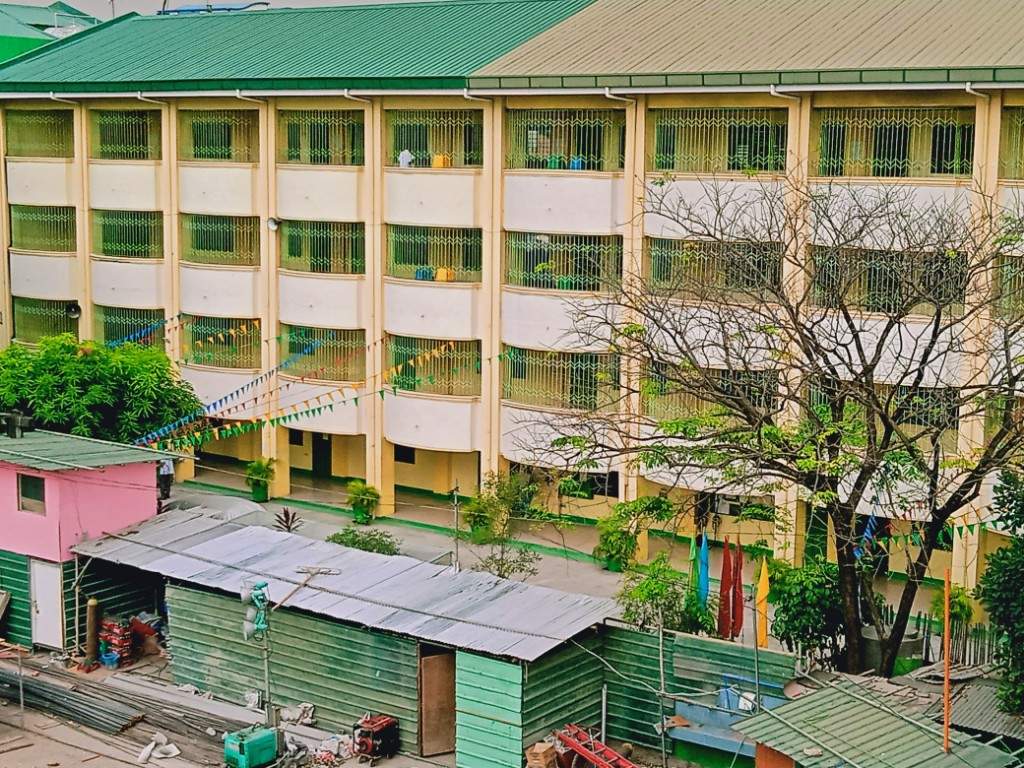
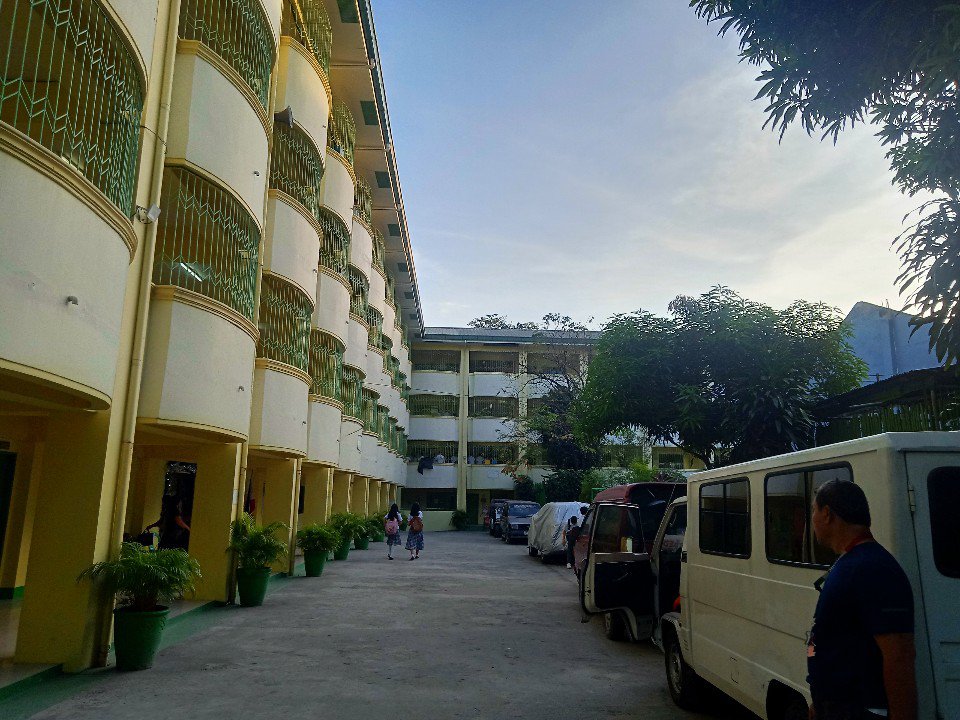
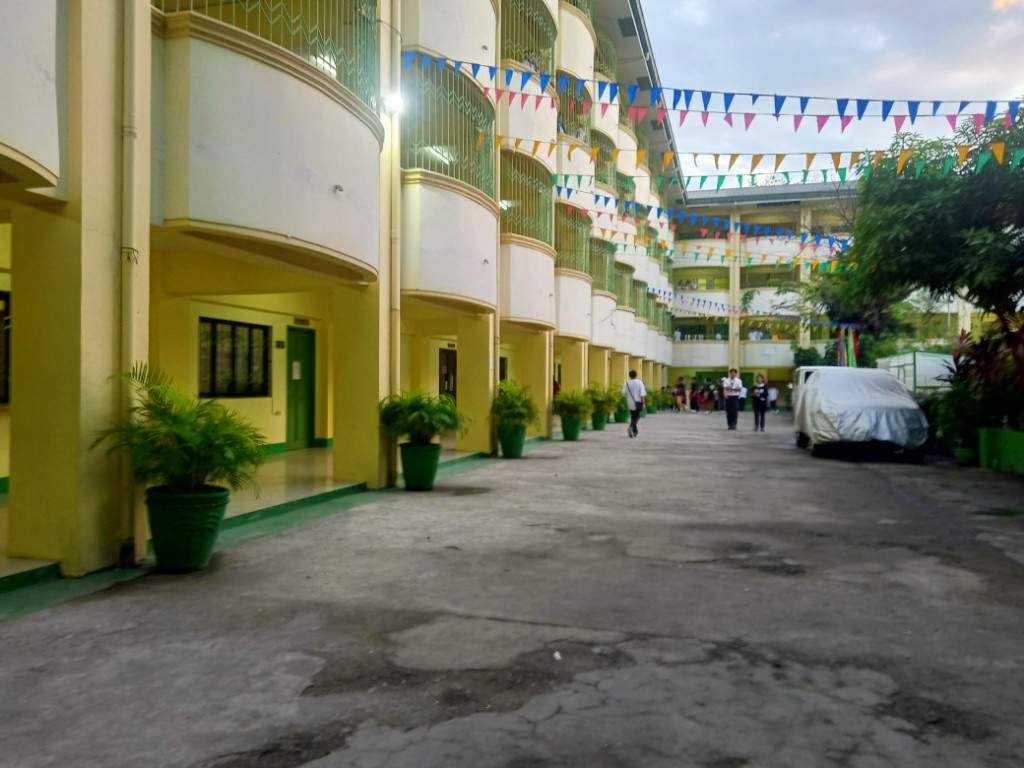
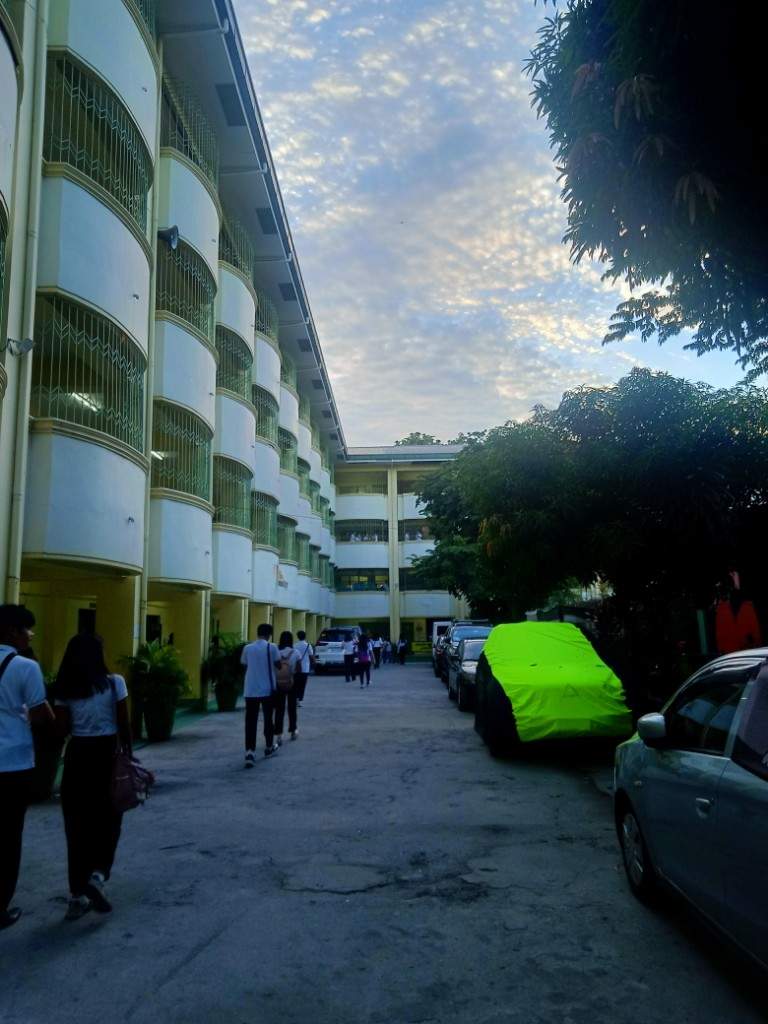
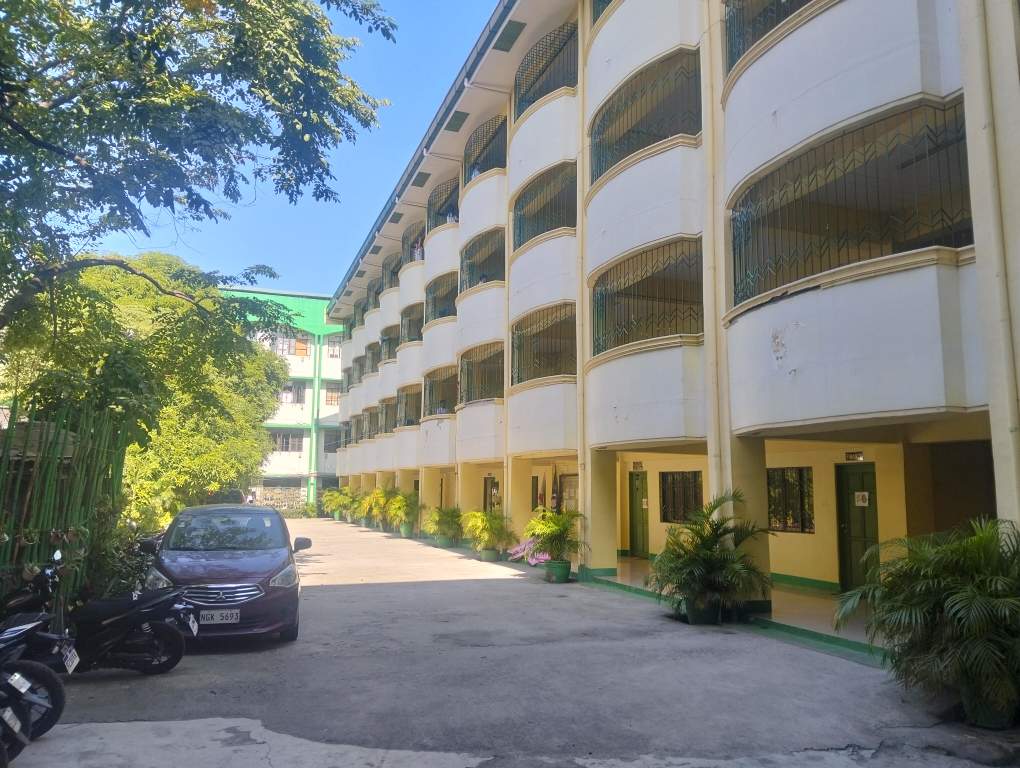
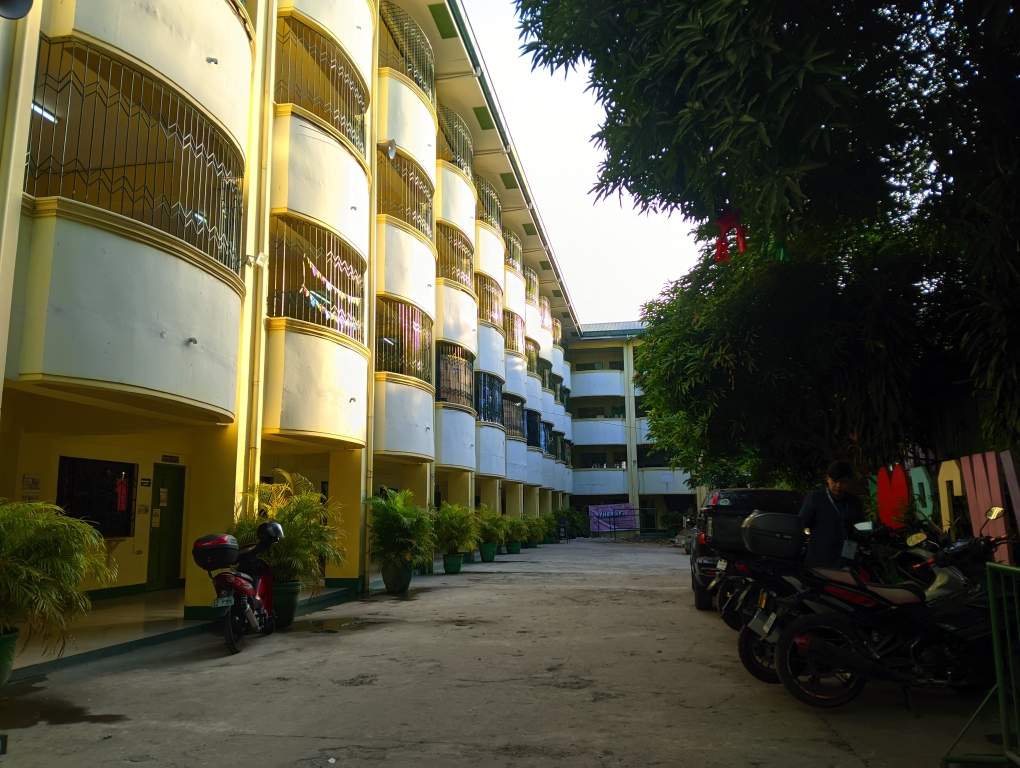
Facade of Building 1 in 2024
Inside of Building 1
The first floor serves as the main administrative hub of the campus, the Registrar, the Records Office, the Principal's office, the Assistant Principal's office, the Finance room, and the primary Conference room.The second floor is dedicated to specialized student services and makeshift spaces, containing the Audio Visual Room (AVR) which currently functions as the Senior High School faculty room, the Teen Center room, the School Library which has been converted into an active STEM classroom, and the Guidance Office.
The third floor is completely utilized for core academic instruction, organizing a dedicated wing of standard classrooms alongside the specialized Special Program in Foreign Language (SPFL) room.
The fourth floor utilizes its elevated, quiet space to host another layout of standard classrooms as well as the specialized Values Department Faculty room for teacher workspaces.
Building 2
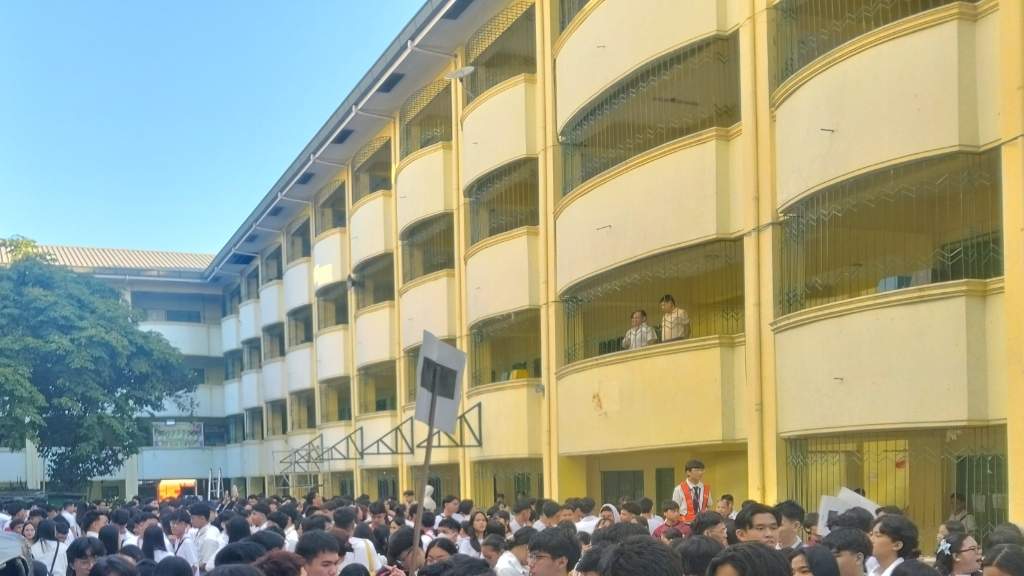
Facade of Building 2 in 2026
Inside of Building 2
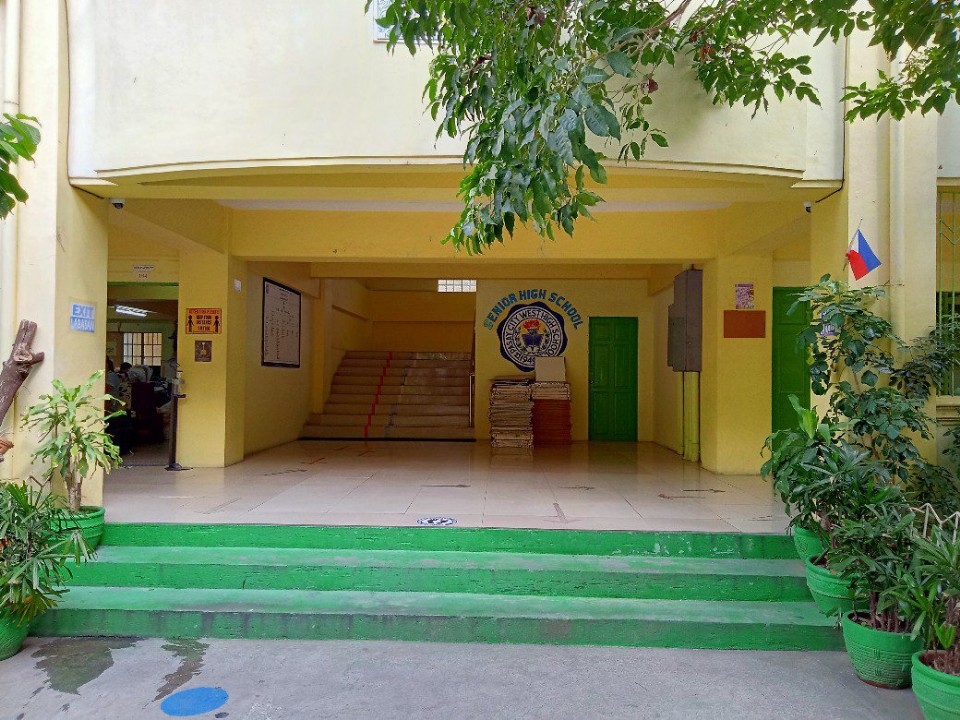
The middle section of the structure serves as the main entrance, featuring a prominent central staircase decorated with the official Pasay City West High School Senior High School logo.The first floor hosts specialized vocational and technical spaces, including the STEM Laboratory, specialized Electrical Installation and Maintenance (EIM) room, the AS room, a dedicated stockroom, a primary supply room, and standard classrooms.
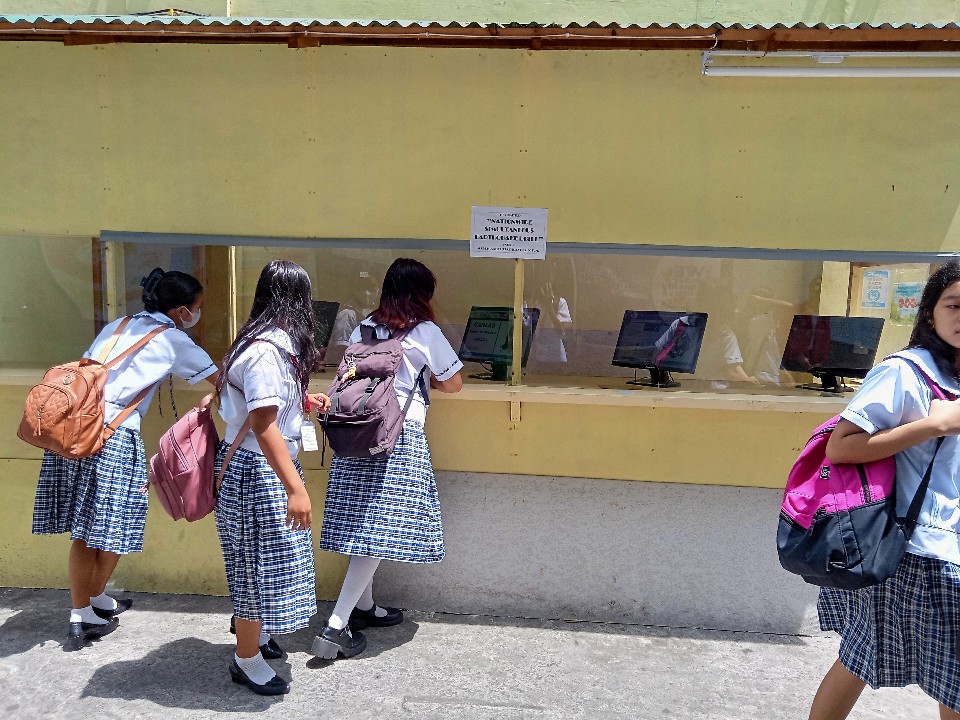
The second floor is divided between core student standard classrooms and dedicated Information and Communications Technology (ICT) computer rooms.
The third floor balances general academic standard classrooms alongside the specialized Home Economics (HE) laboratory facilities, which are currently being utilized as temporary classrooms.
The fourth floor mirrors the lower levels, organizing a final layout of standard classrooms paired with additional high-tier ICT laboratories.
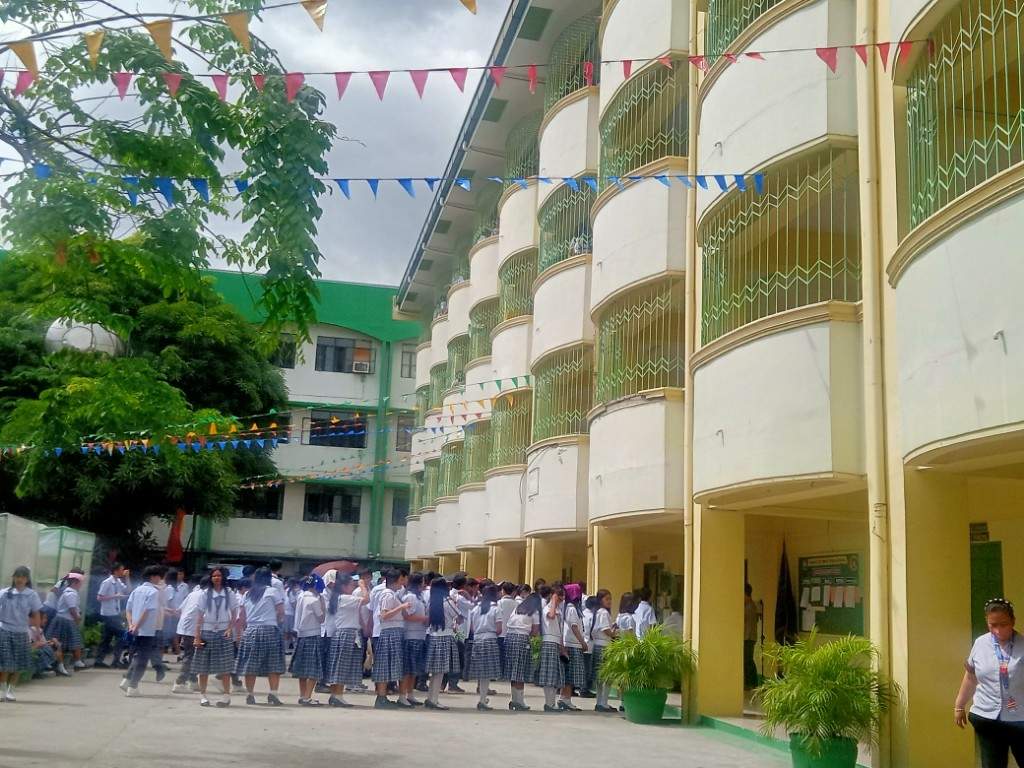
Building 3
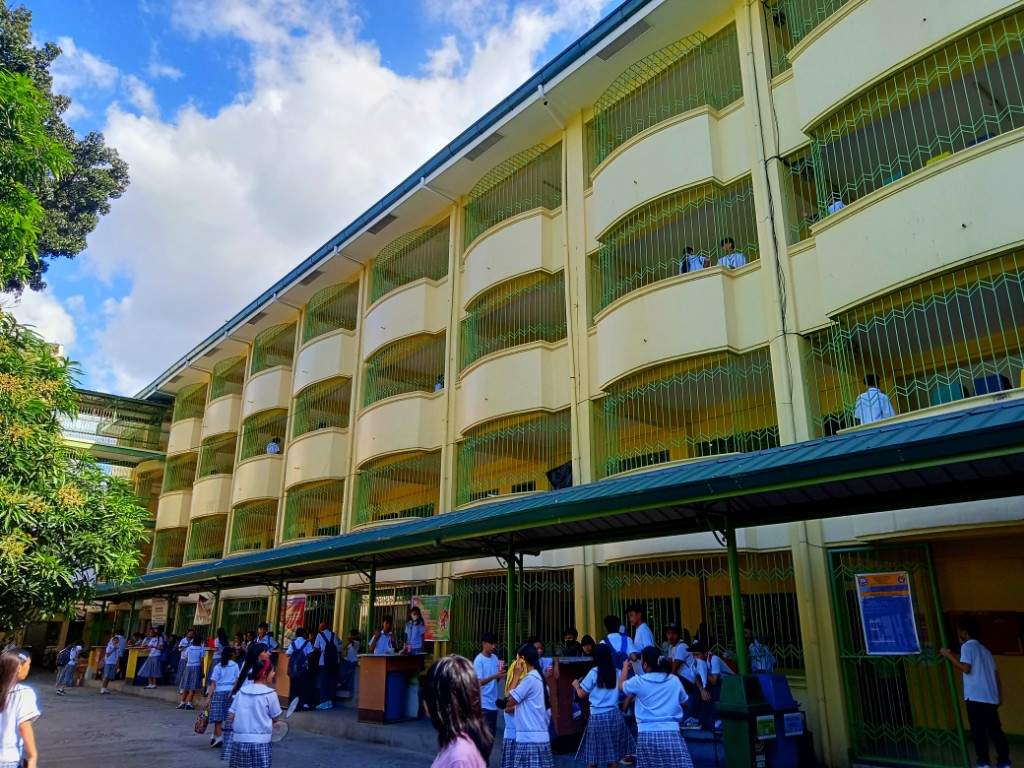
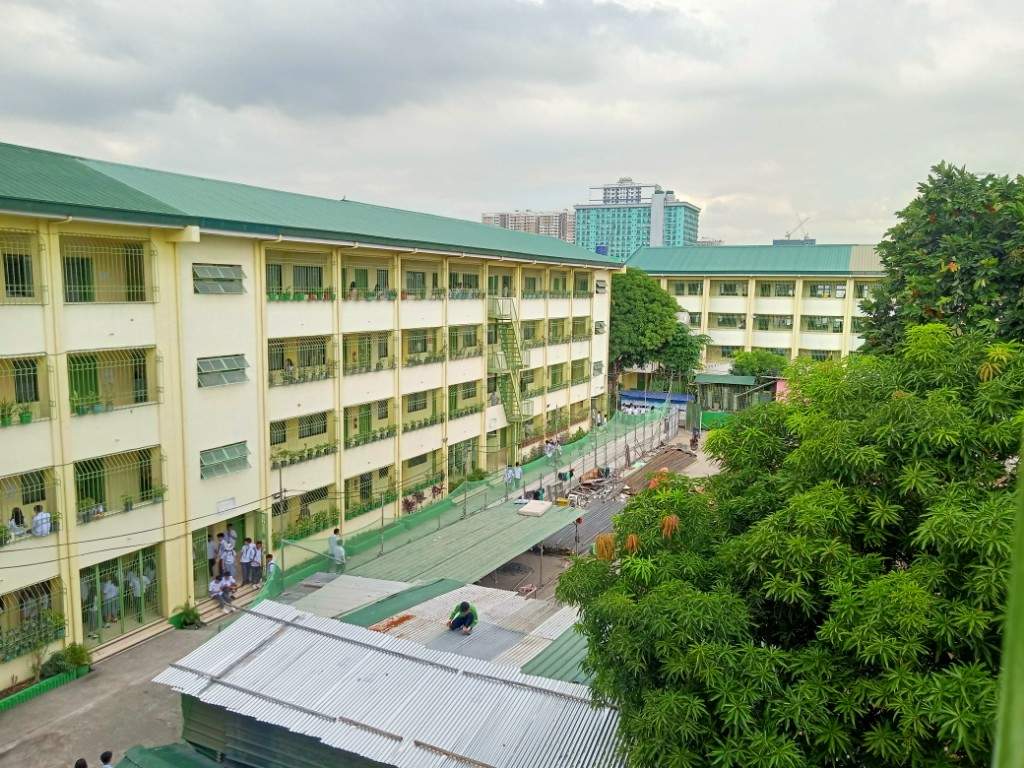
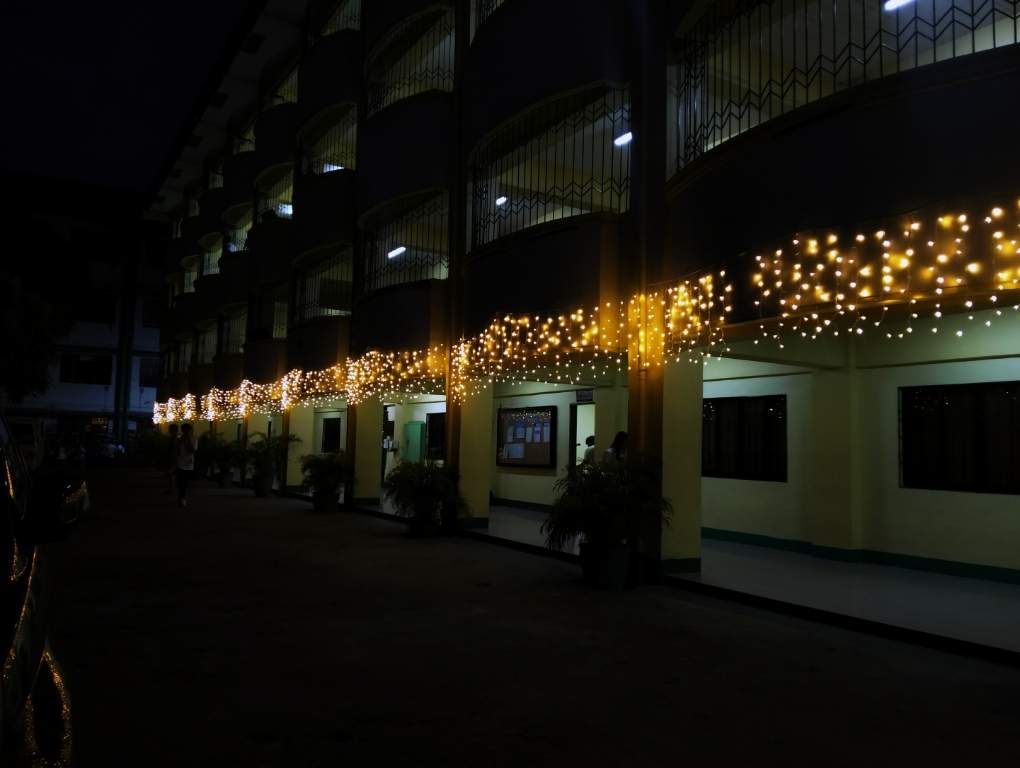
Facade of Building 3 in 2023
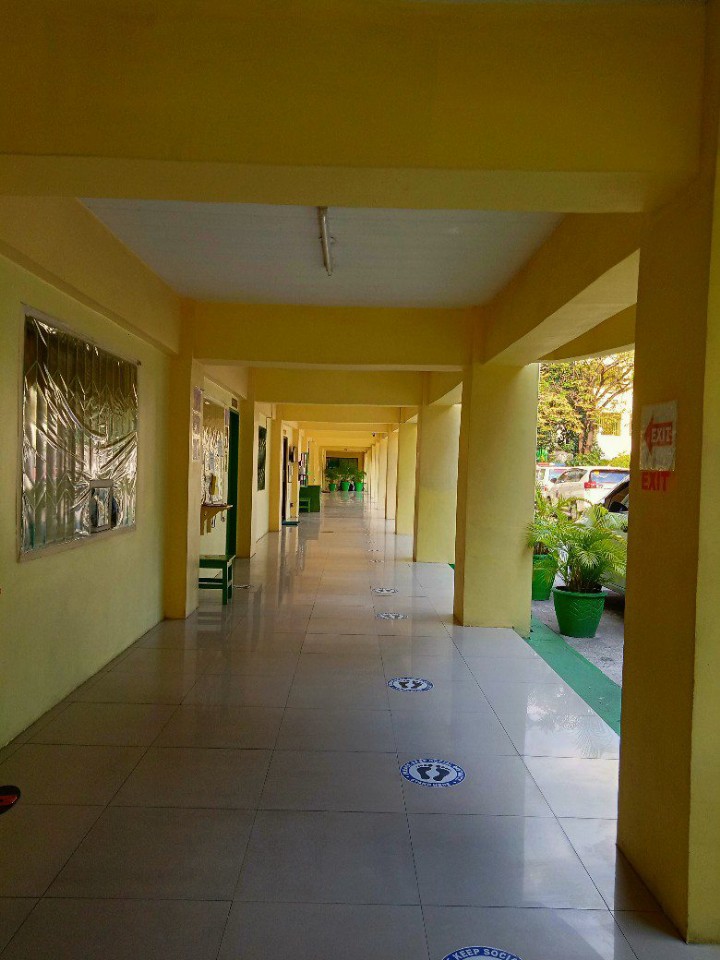
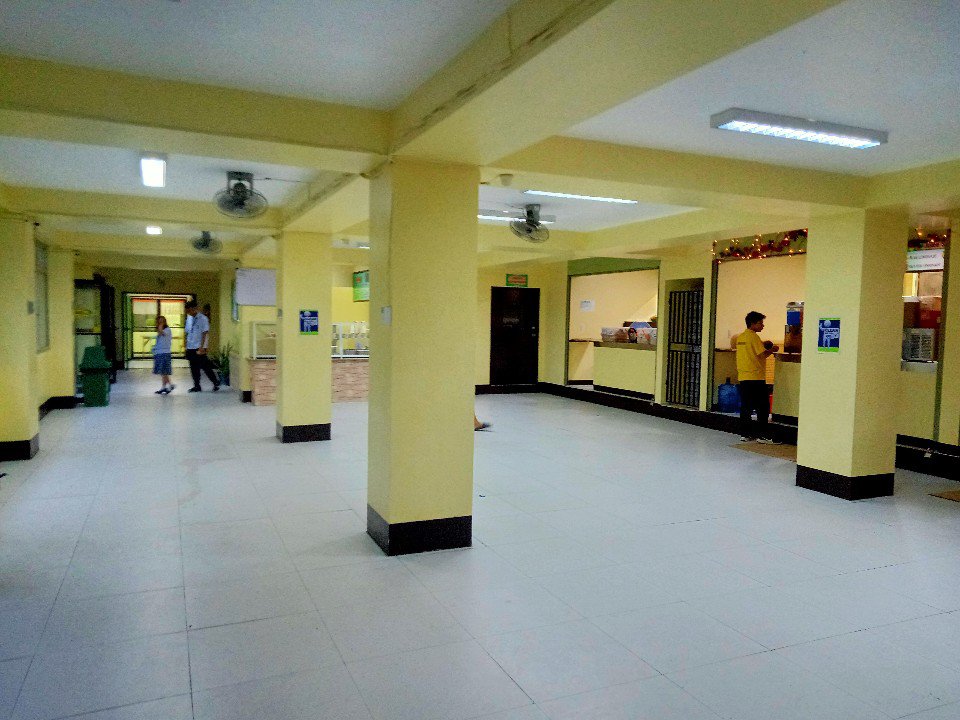
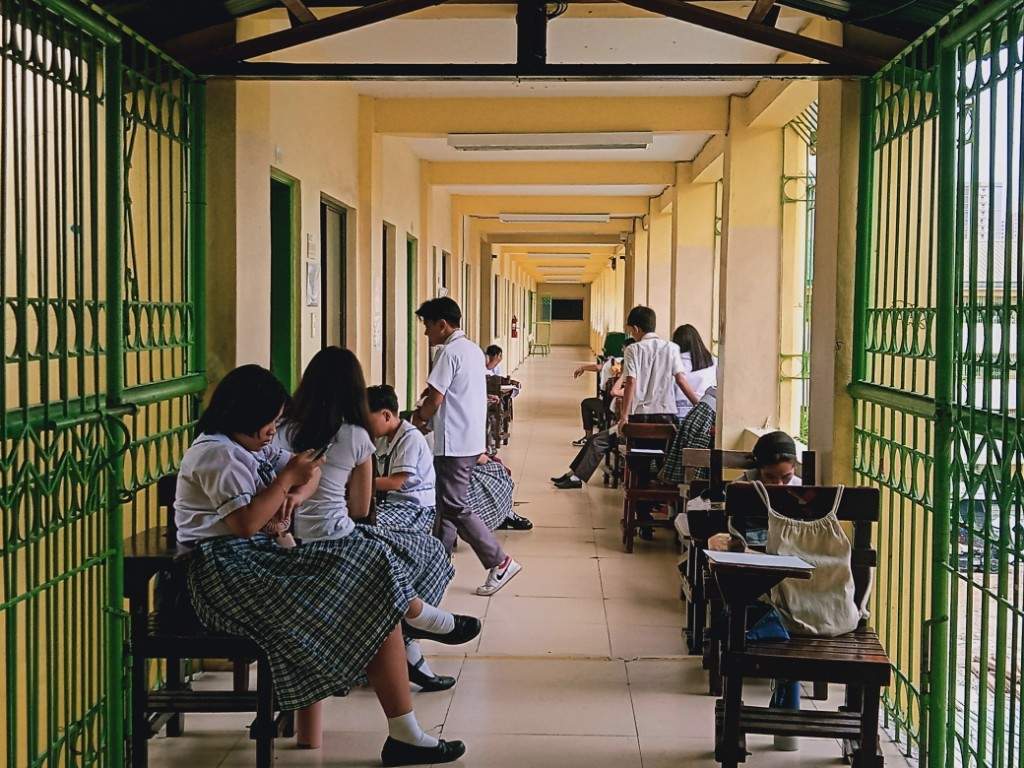
Inside of Building 3
The first floor coordinates essential student nutrition and emergency management, housing both the Multi-Purpose Cooperative Canteen and the School Managed Canteen, alongside the School Disaster Risk Reduction and Management Council (SDRRMC) headquarters and standard classrooms.The second floor splits its layout between core academic spaces, the centralized Filipino Department faculty room, the hands-on TLE Practical Arts room, and standard classrooms.
The third floor acts as a major departmental hub, containing the MAPEH Department Faculty room, the Social Studies Department Faculty room, the active CIC/GAD Center, and a dedicated layout of standard classrooms.
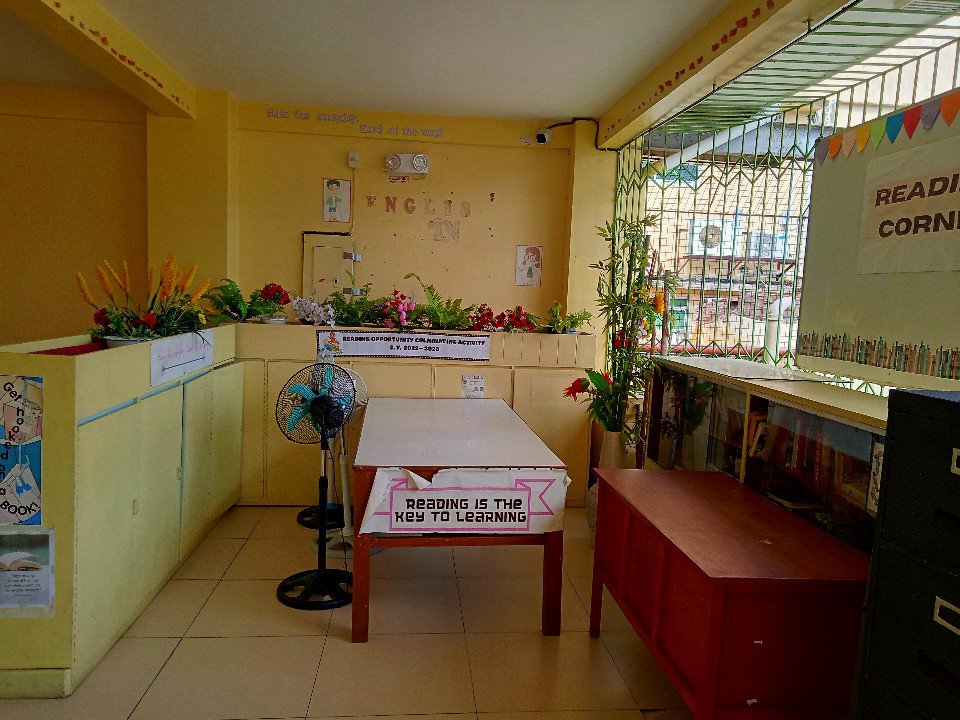
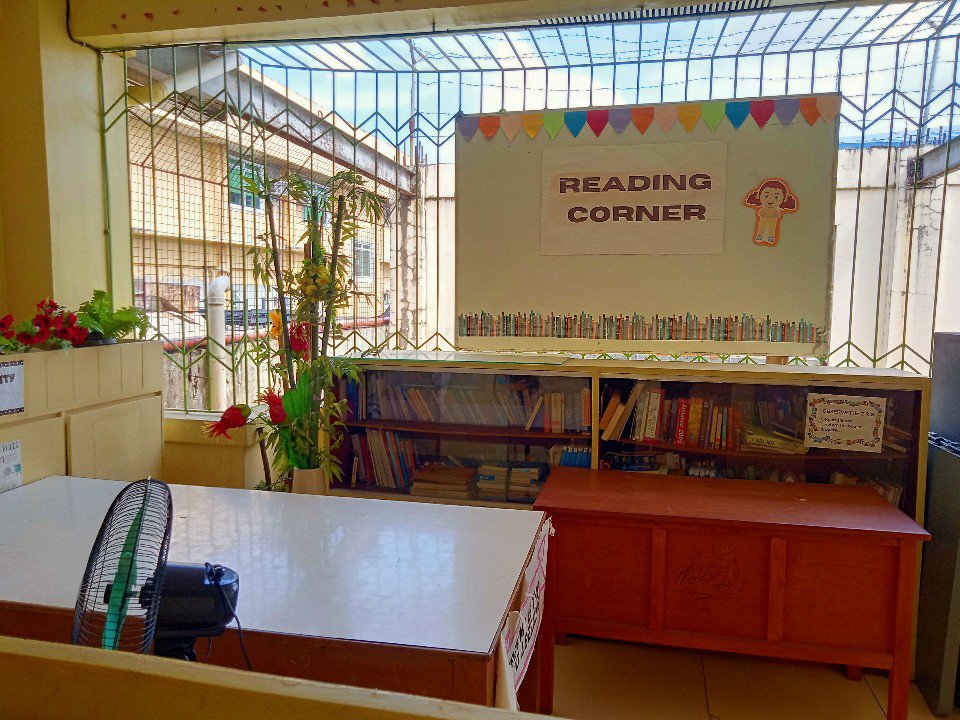
The fourth floor utilizes its upper level to host the Mathematics Department Faculty room, the English Department Faculty room, the Post Publication room for school journalists, a designated reading corner, a specialized math study corner, and standard classrooms.
Building 4
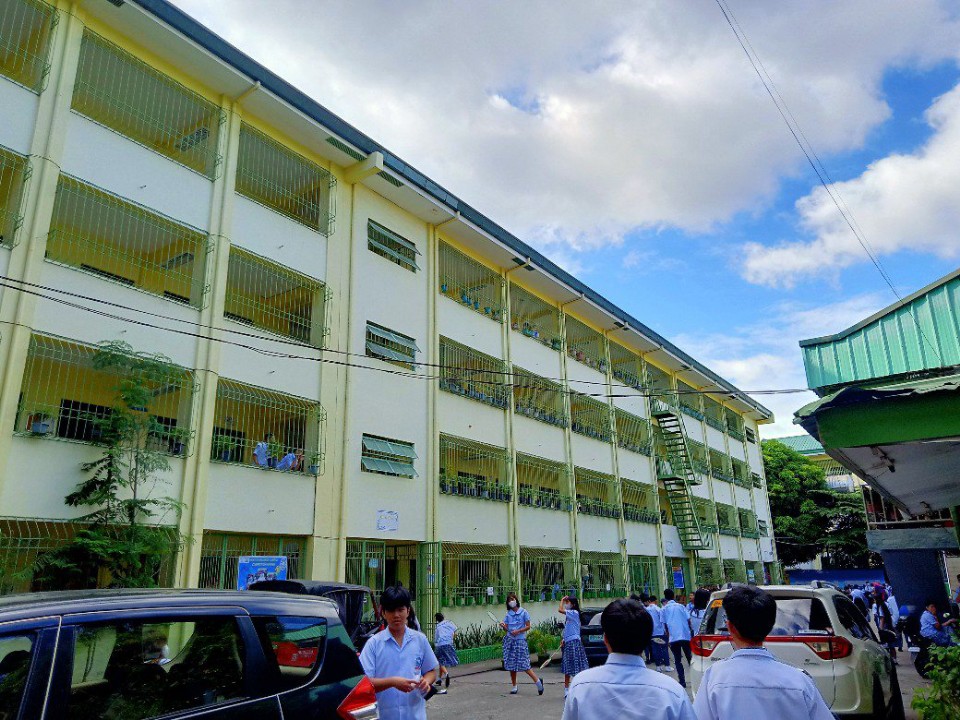
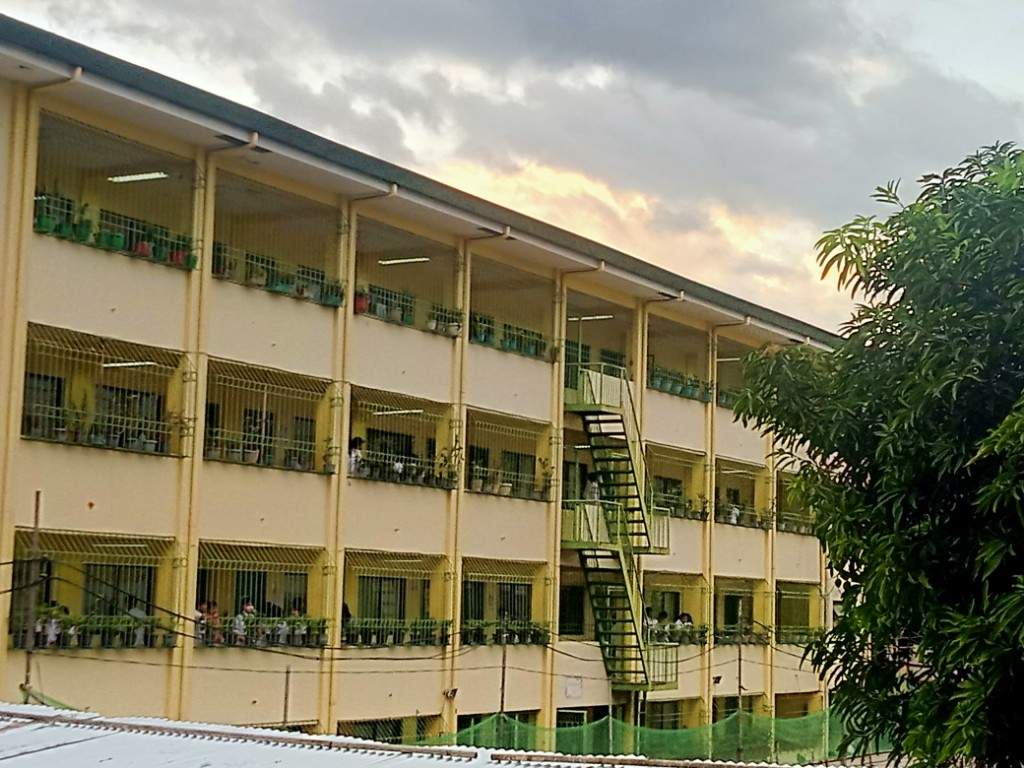
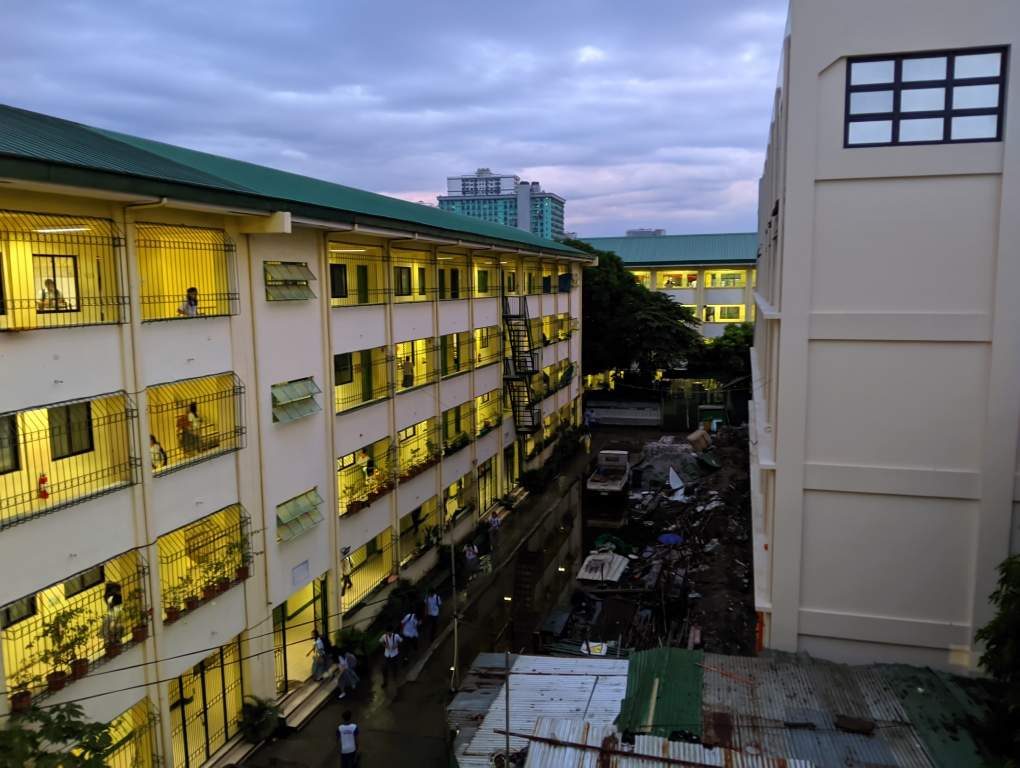
Facade of Building 4 in 2023
The structure historically gathered the highest concentration of specialized departmental offices, including the HE (Home Economics) Department and the MAPEH Department, before the latter permanently relocated to Building 3 in 2008.
Inside of Building 4
The facility features an inviting, eco-friendly atmosphere, beautifully lined with vibrant indoor plants cultivated and managed by the Home Economics Department.The first floor features a dense layout of science and student care facilities, holding the student Feeding room, the main TLE Department office, specialized Biology and Earth Science Laboratories, the Science Department faculty room, the primary School Clinic, a dedicated isolation room, and standard classrooms.
The second floor offers general instructional spaces balanced alongside the specialized Cookery Laboratory room, an adjacent Computer Laboratory, and standard classrooms.
The third floor expands upon technical training, providing standard classrooms paired with a secondary Cookery Laboratory layout and a dedicated Dressmaking room.
The fourth floor finishes the layout with advanced science and computer infrastructure, utilizing its top level for standard classrooms, the chemistry laboratory, a final computer laboratory setup, and the school's Physics Laboratory.
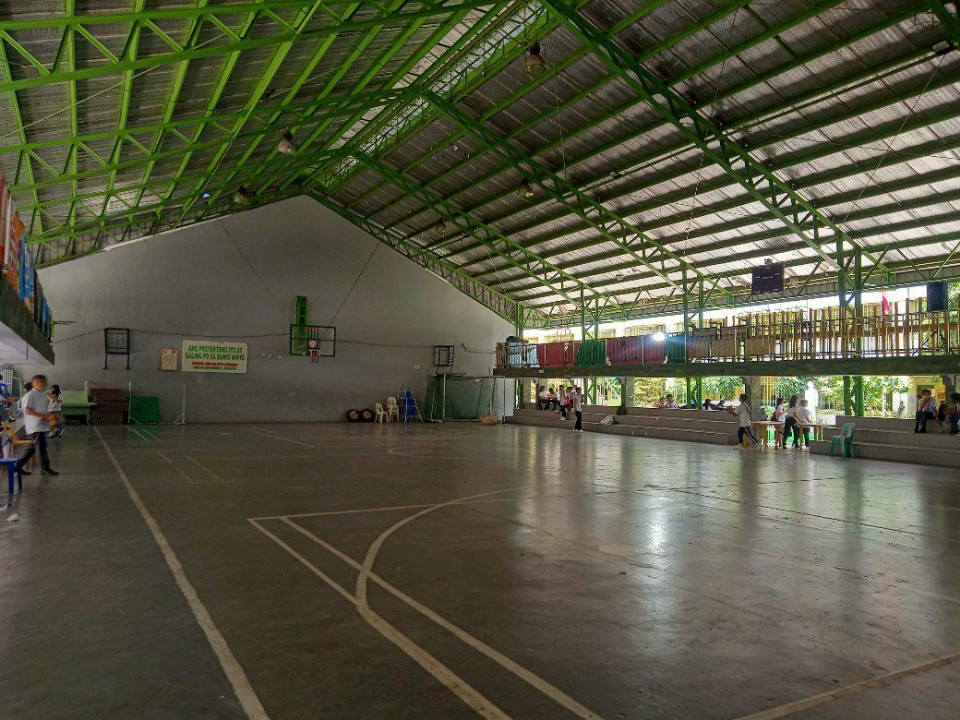
The Gymnasium
Before the Demolition
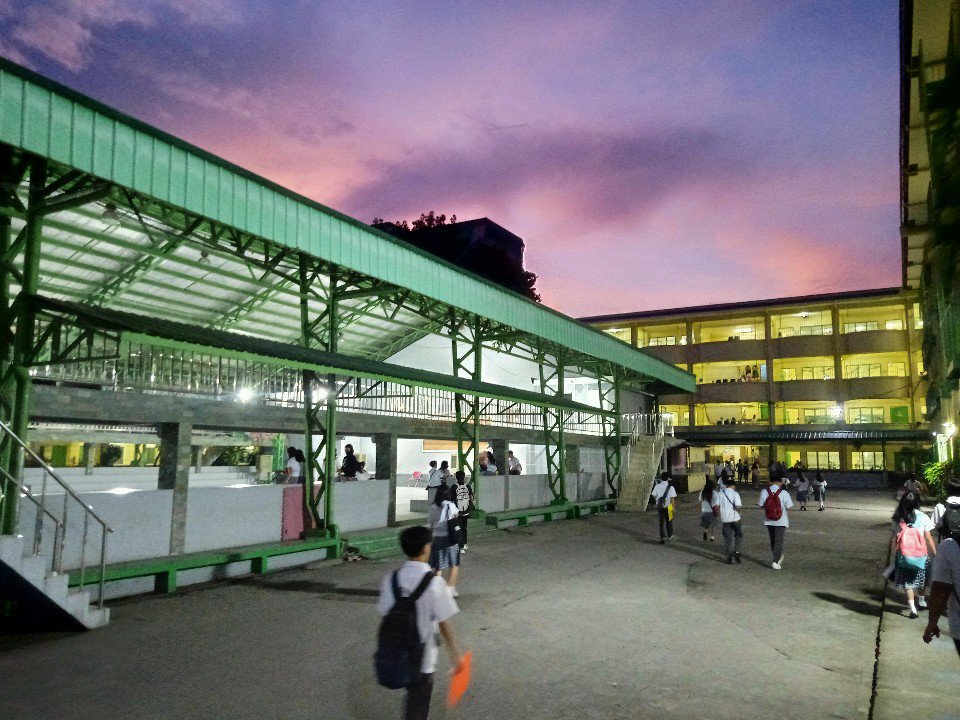
Gymnasium a week prior of demolition in October 2023
Inside of the Former Gymnasium
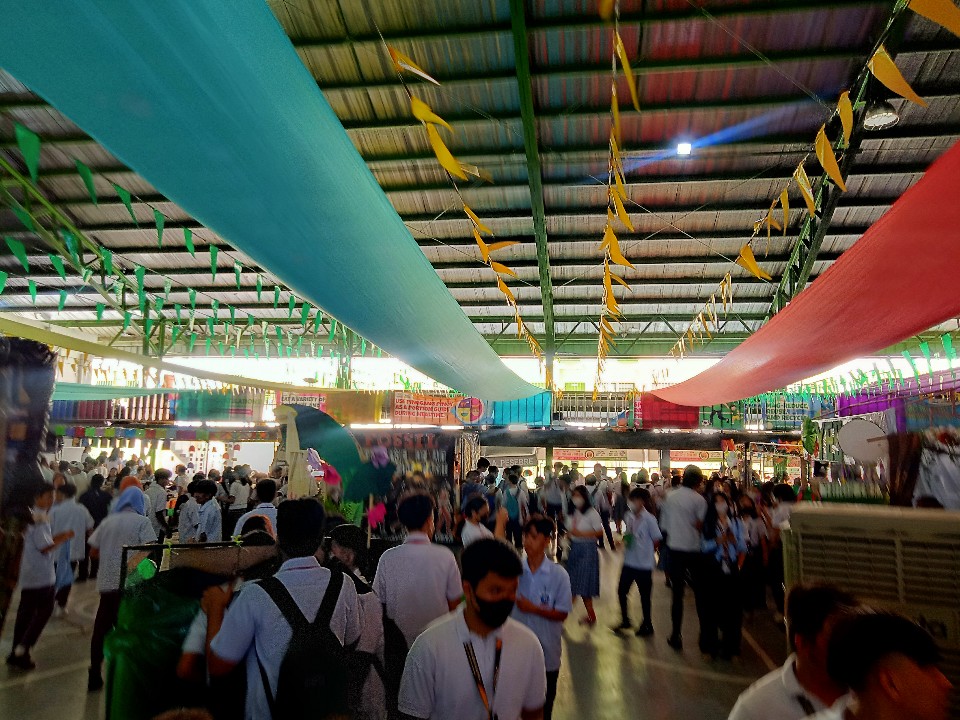
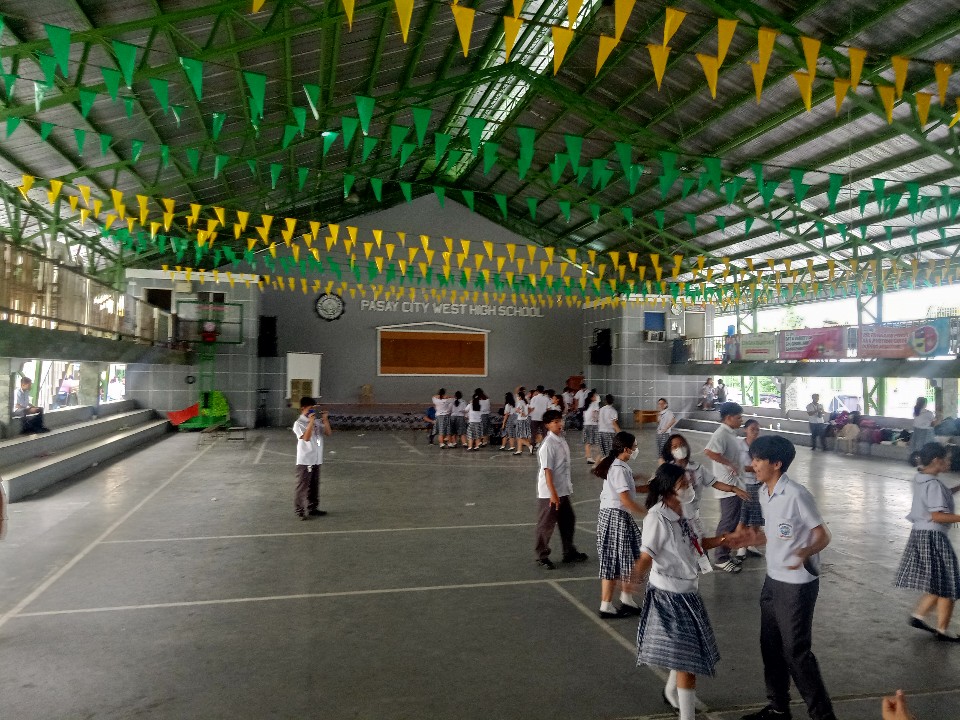
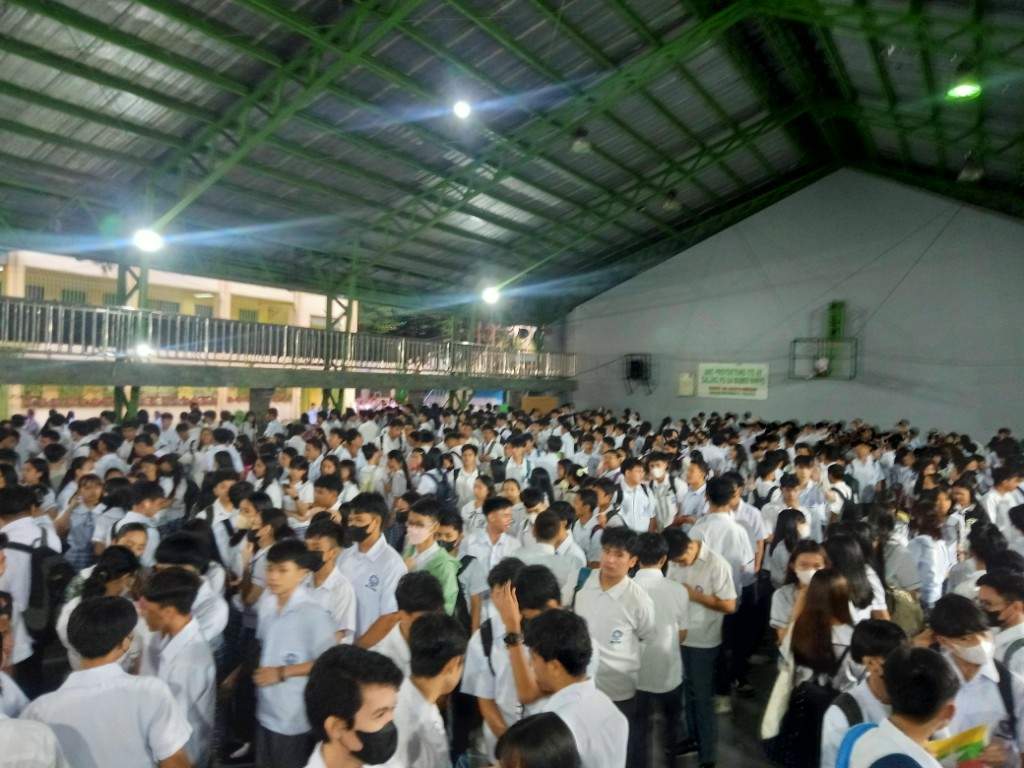
The facility featured an expansive open floor optimal for large-scale programs and assemblies, accented by a prominent wooden bulletin board used for displaying event announcements.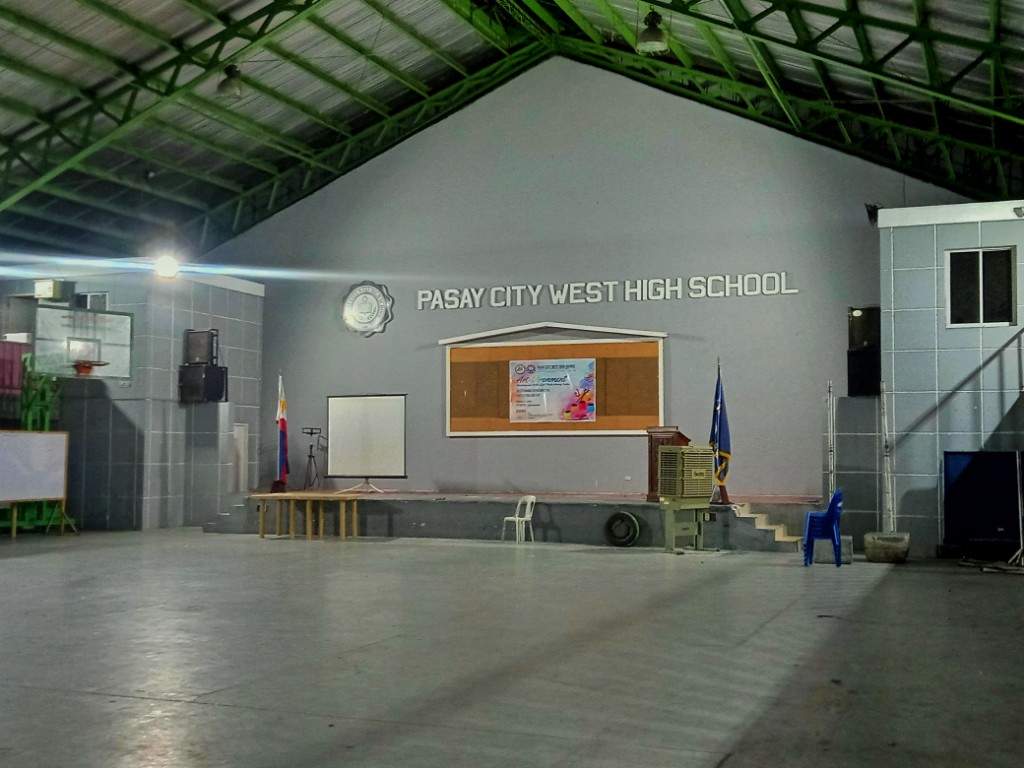
Inside of the former gymnasium
The main stage was elevated by three steps, providing clear visibility for presentations, and was uniquely decorated by the school administration depending on the theme of the event. A physical education faculty office was conveniently located directly adjacent to the side of the stage.
An elevated mezzanine floor overlooked the main gymnasium layout, accessible via dedicated staircases. This secondary upper level served as a strategic storage area for athletic gear and event equipment, while additionally hosting separate departmental faculty offices on each side.
Demolition and Modern Reconstruction
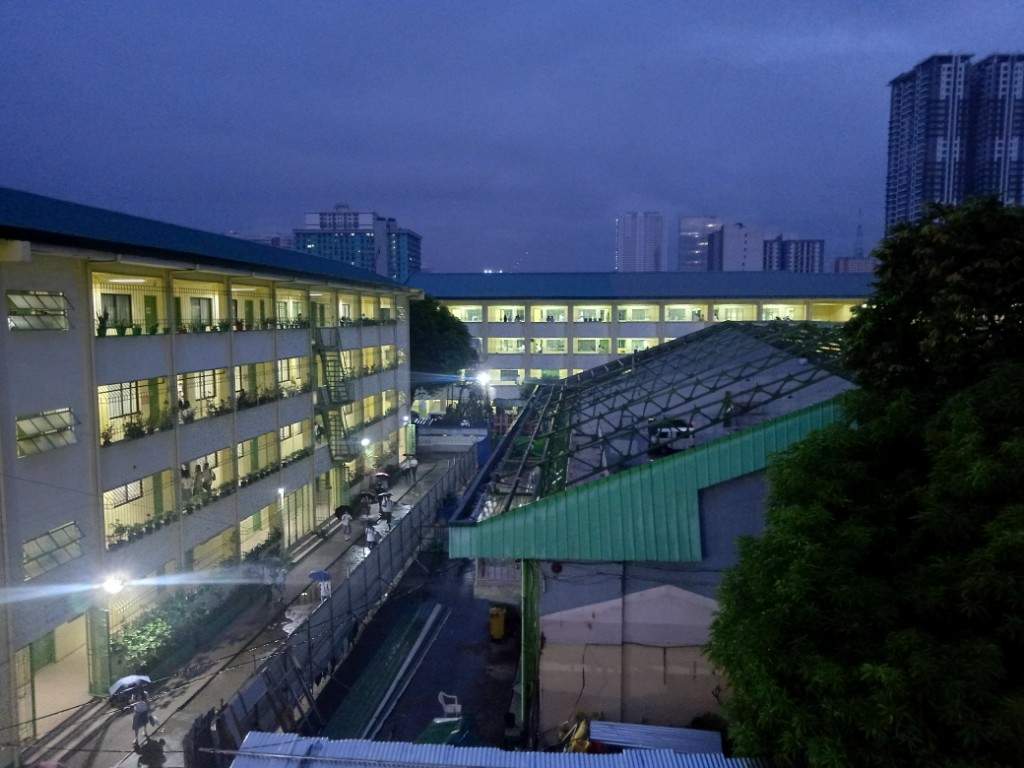
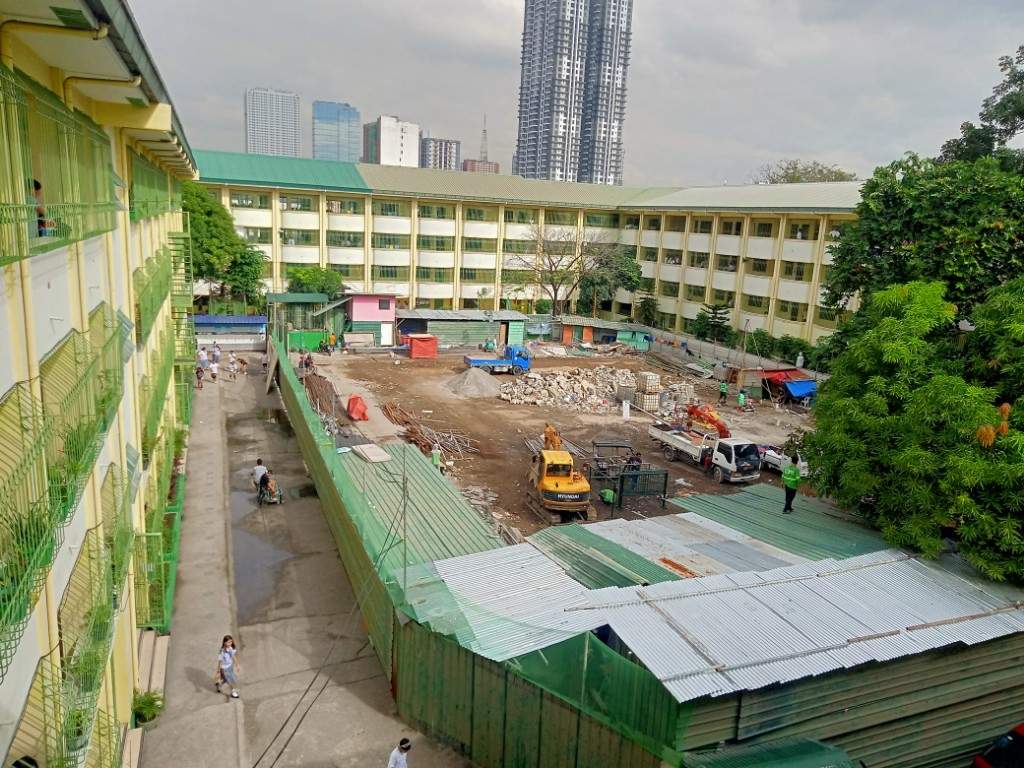
First week of gymnasium demolition in November 2023
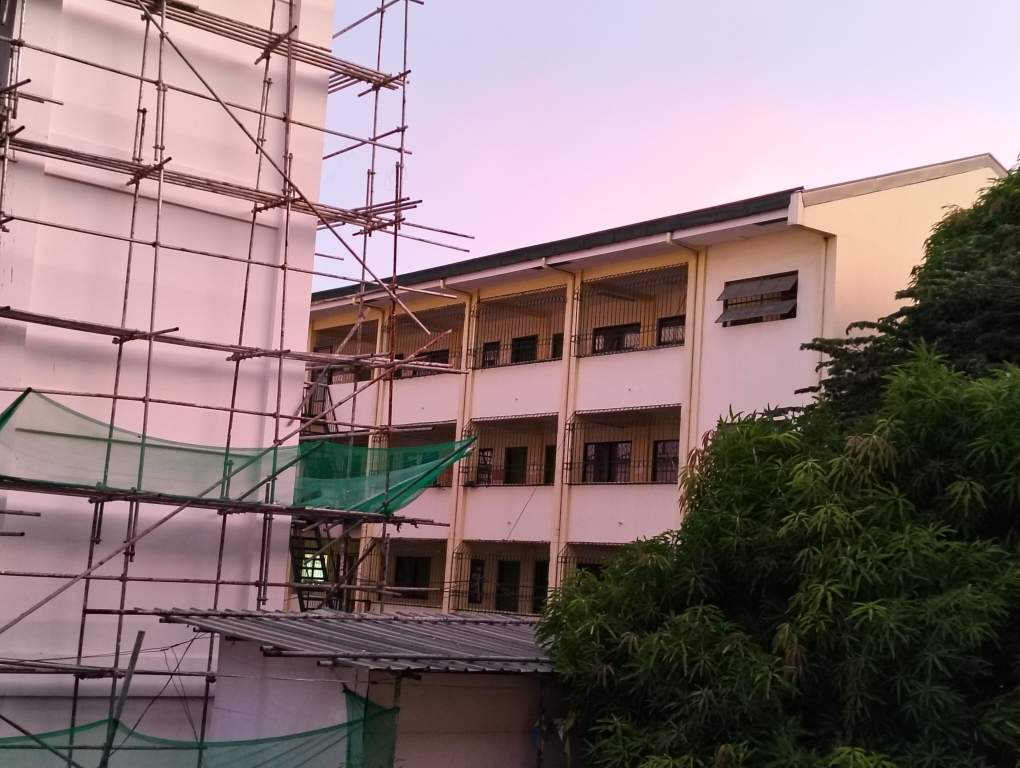
Demolition operations commenced in the first week of November 2023 and concluded by the first week of February 2024. Structural construction immediately followed in mid-February 2024. By December 2025, the project achieved partial completion, allowing the newly elevated rooftop gymnasium to be opened for school use. The building's main facade reached completion in February 2026, while finishing installations for internal classrooms, comfort rooms (CRs), and the elevator system continued into the final phases of known the new Building 5.
The New Building 5
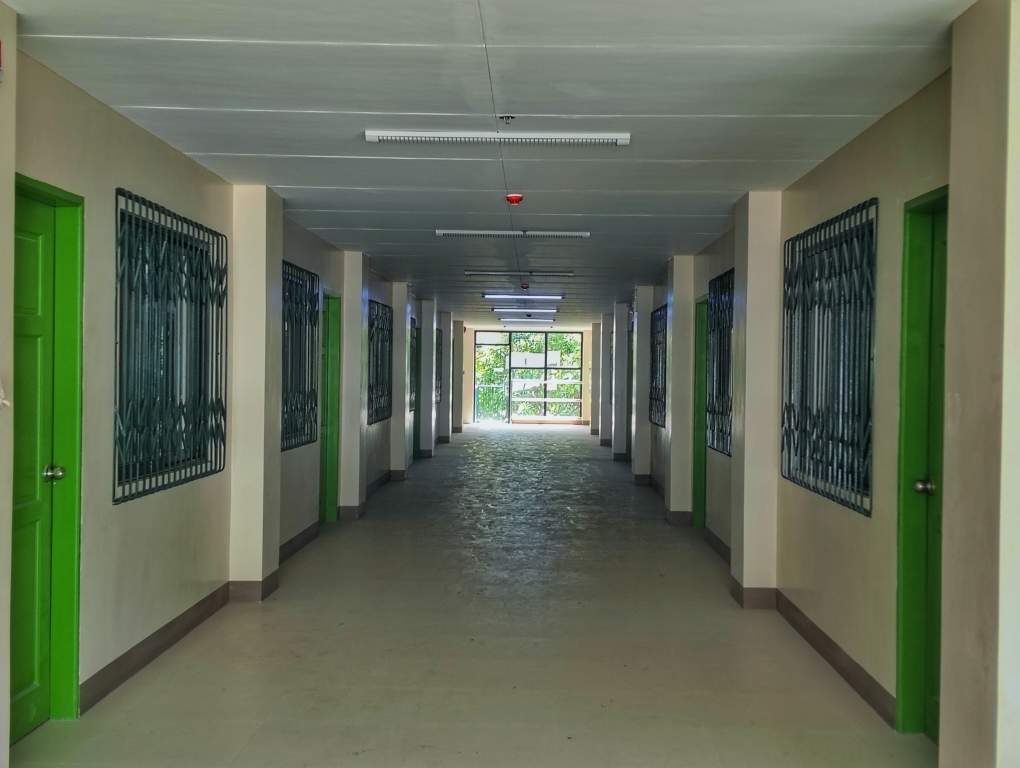
Hallway inside of Building 5
Gymnasium at 4th floor of Building 5
The Modern Facade
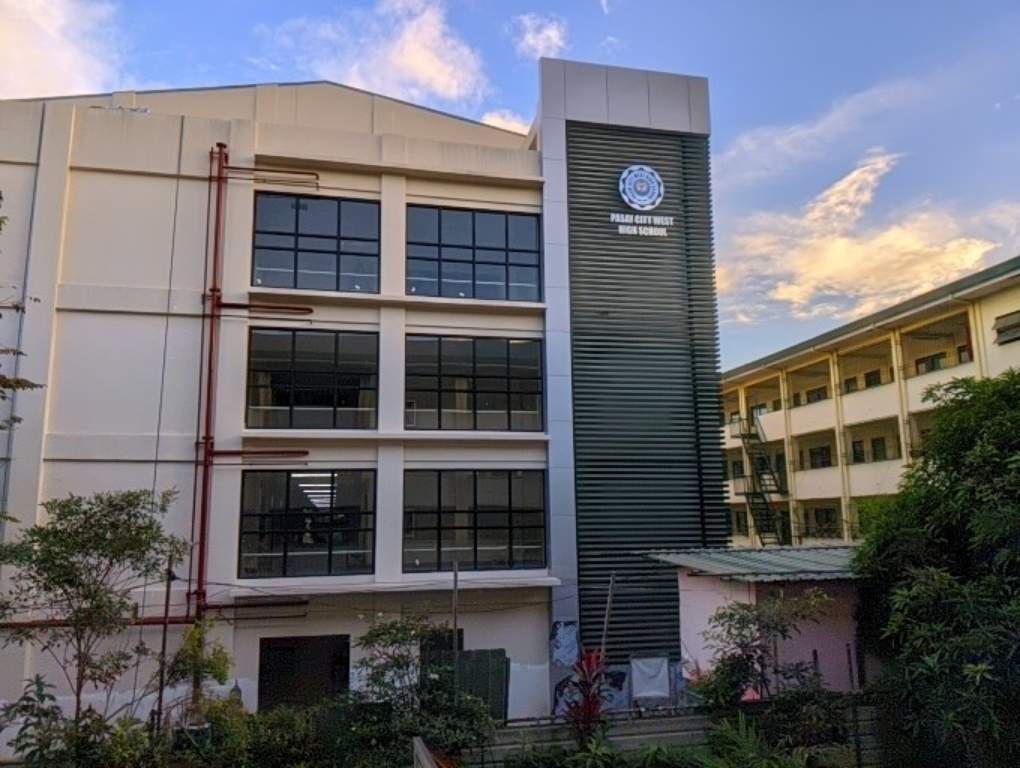
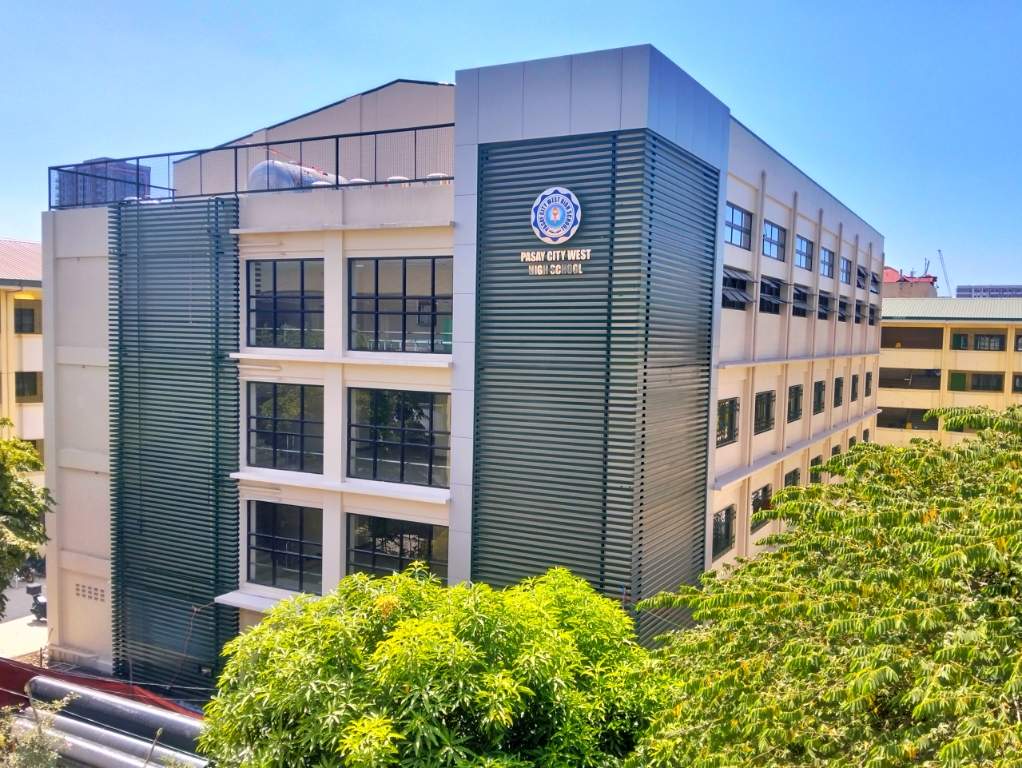
The exterior facade of Building 5 marks a striking architectural shift on the campus, officially reaching completion in February 2026. Replacing the look of the historic single-story gym, the new facade showcases a towering four-story structural design with sleek concrete lines, expansive windows designed to maximize natural light, and modern industrial framing. This fresh exterior gives the central campus a highly updated, academic aesthetic, standing as a prominent visual landmark that symbolizes the school's continuous growth and modernization.
Facade of Building 5 in 2026
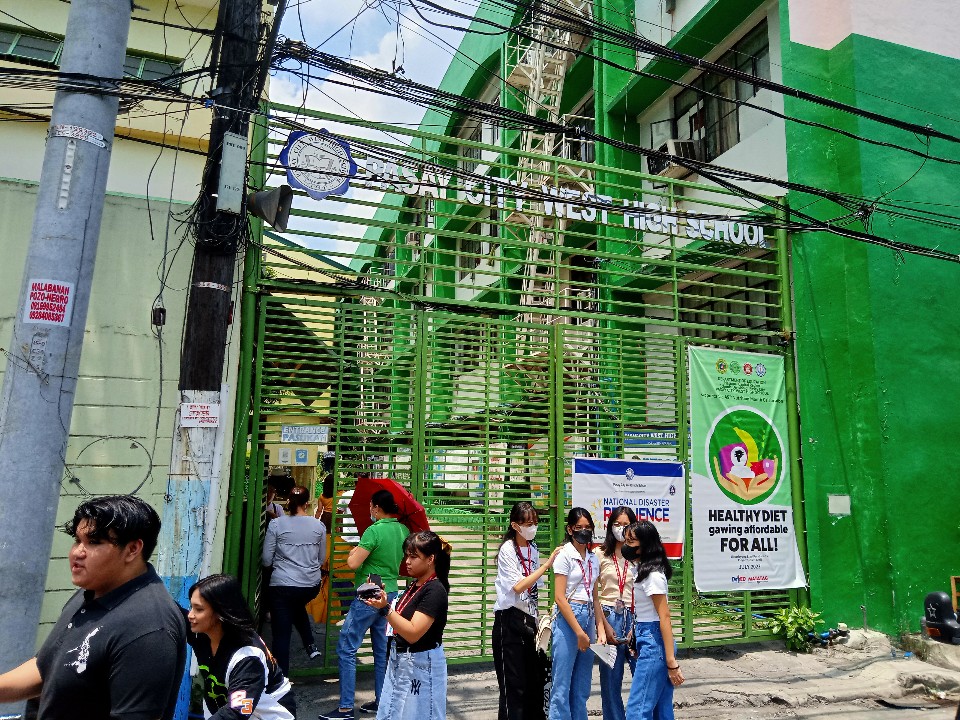
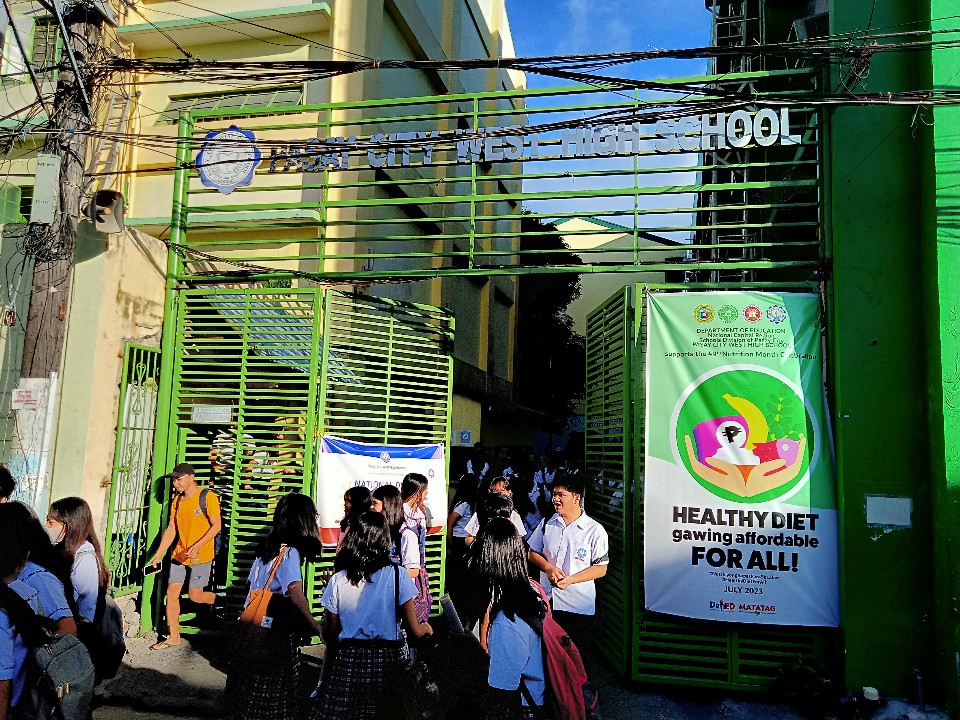
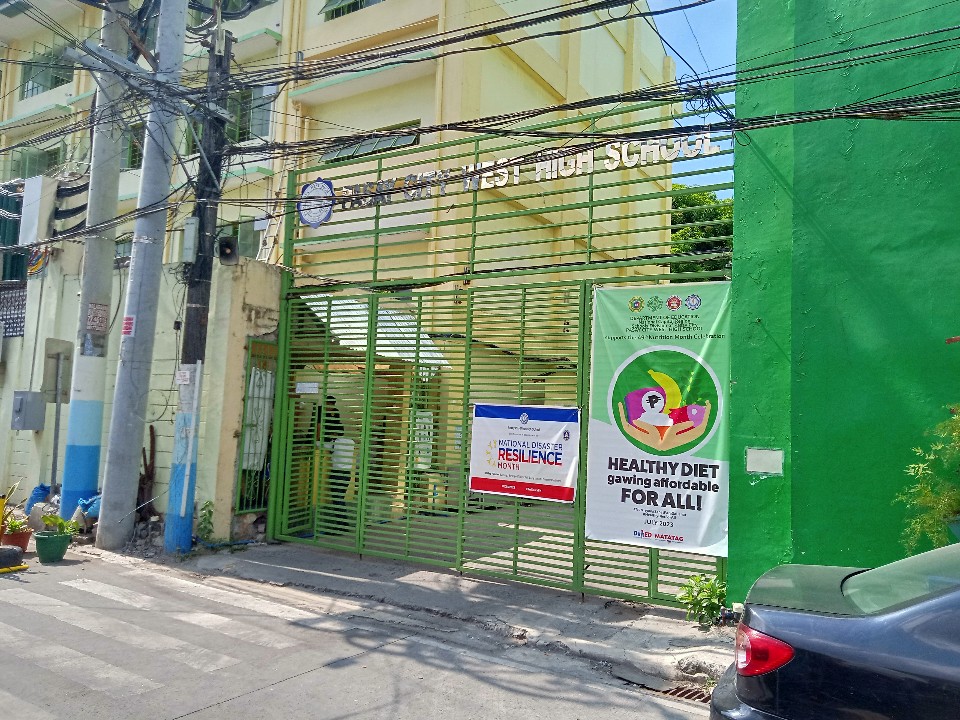
Entrance Gate (Gate 1)
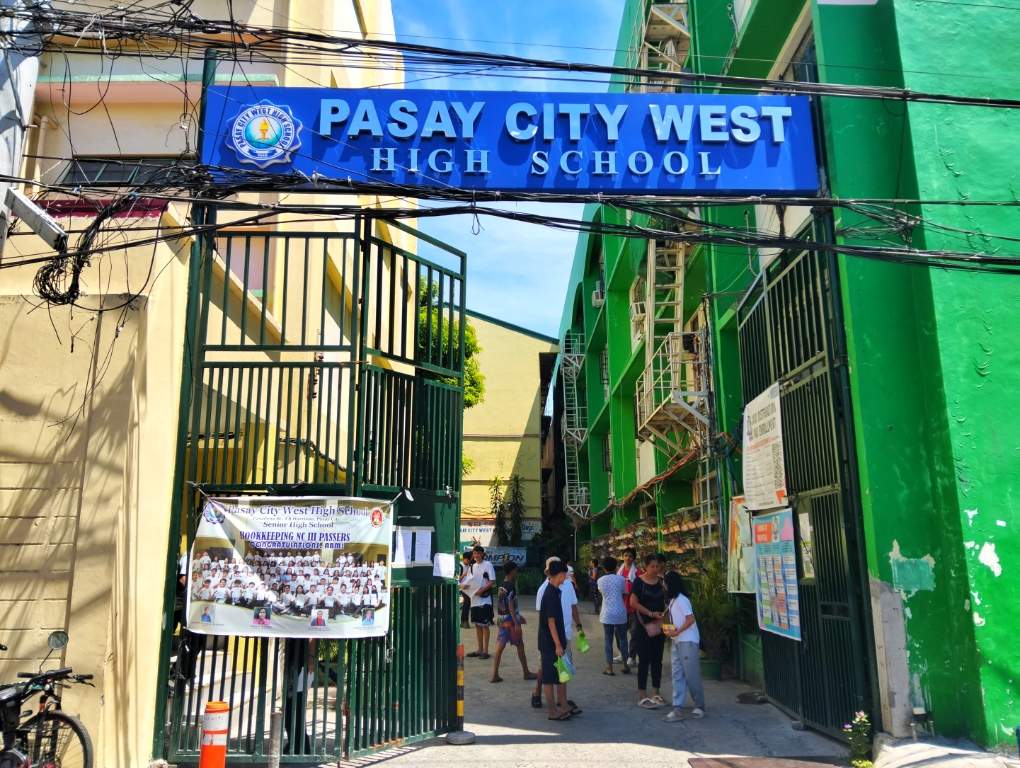
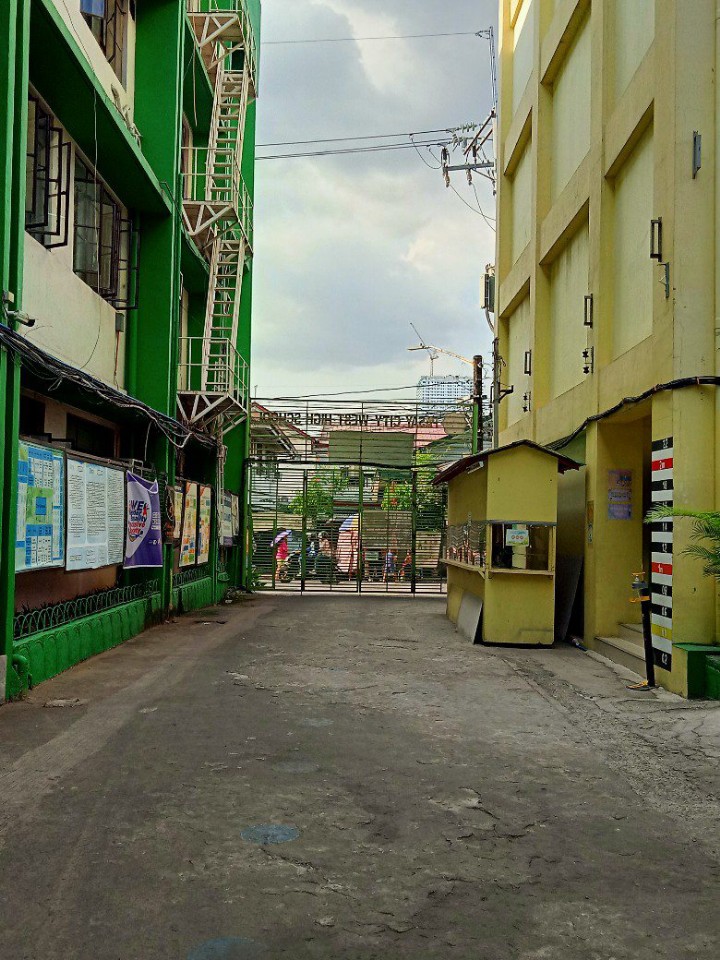
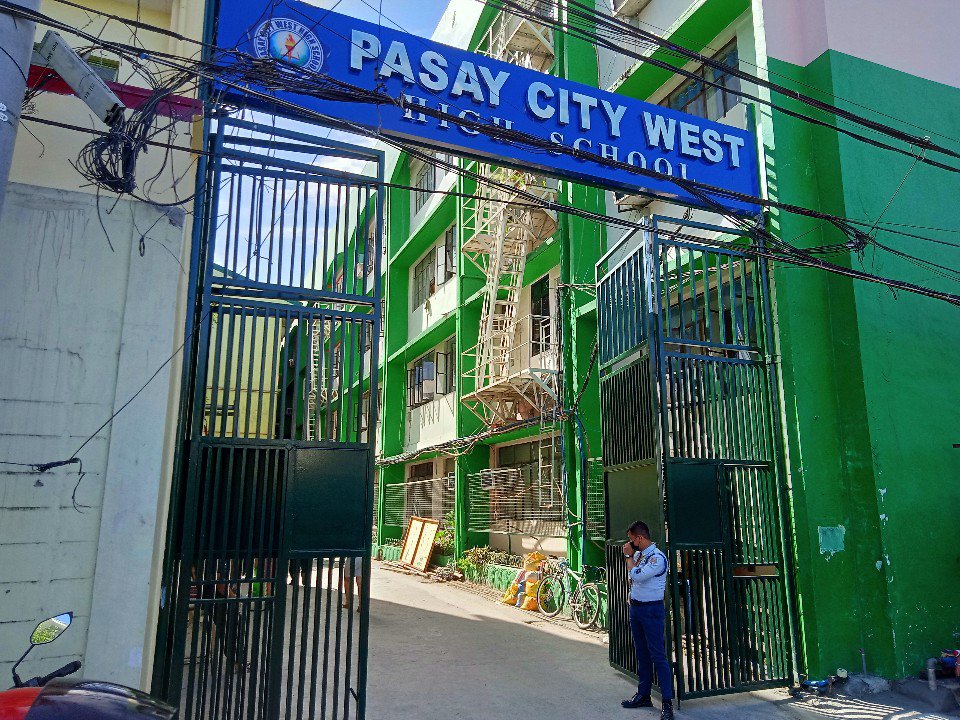
Entrance gate
Additionally, this gate can be utilized as an exit by students, faculty, and visitors under specific circumstances, such as when the primary exit gate is closed.
The Modern Entrance Signage
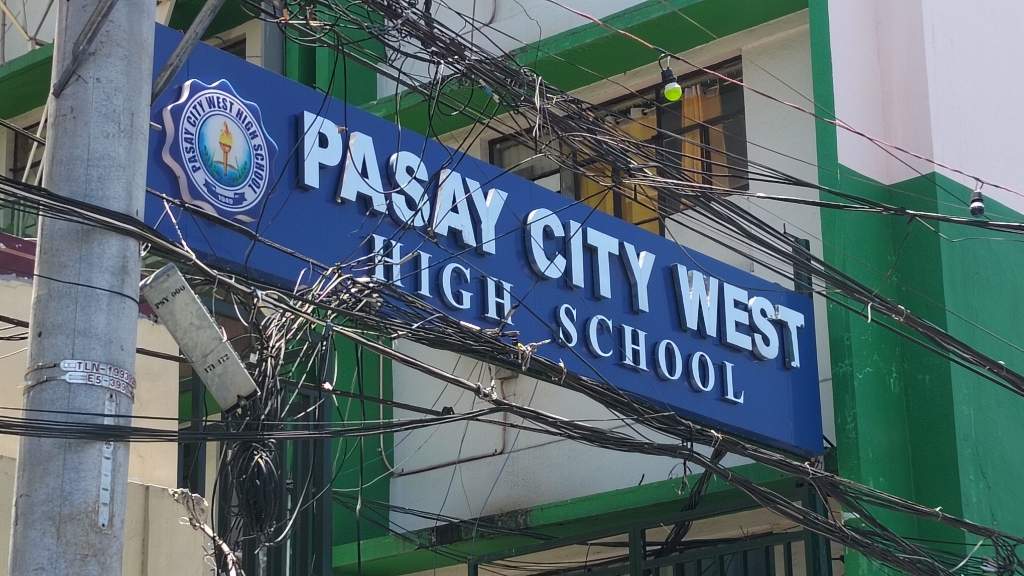
The new signage
Pasay City West High Schoolinstitutional sign was officially installed directly above the entrance gate. The updated overhead signage features a clean, professional blue background with bold white lettering and the school logo. To maintain visibility and campus identity during late afternoons and night hours, the sign is fully equipped with an integrated LED lighting system that automatically illuminates when it gets dark.
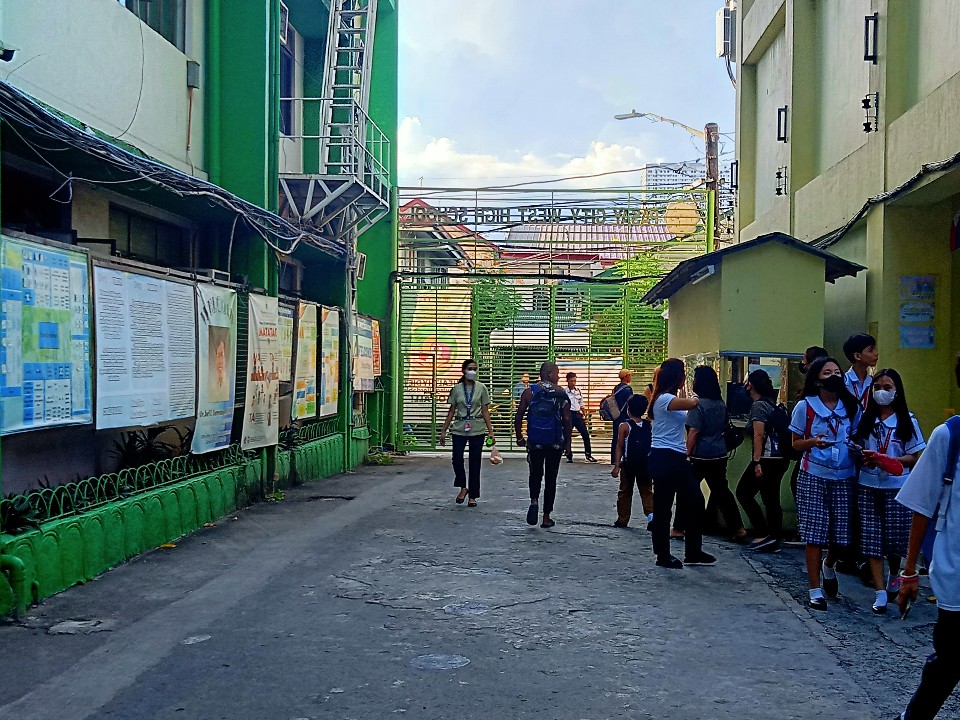
Exit Gate (Gate 2)
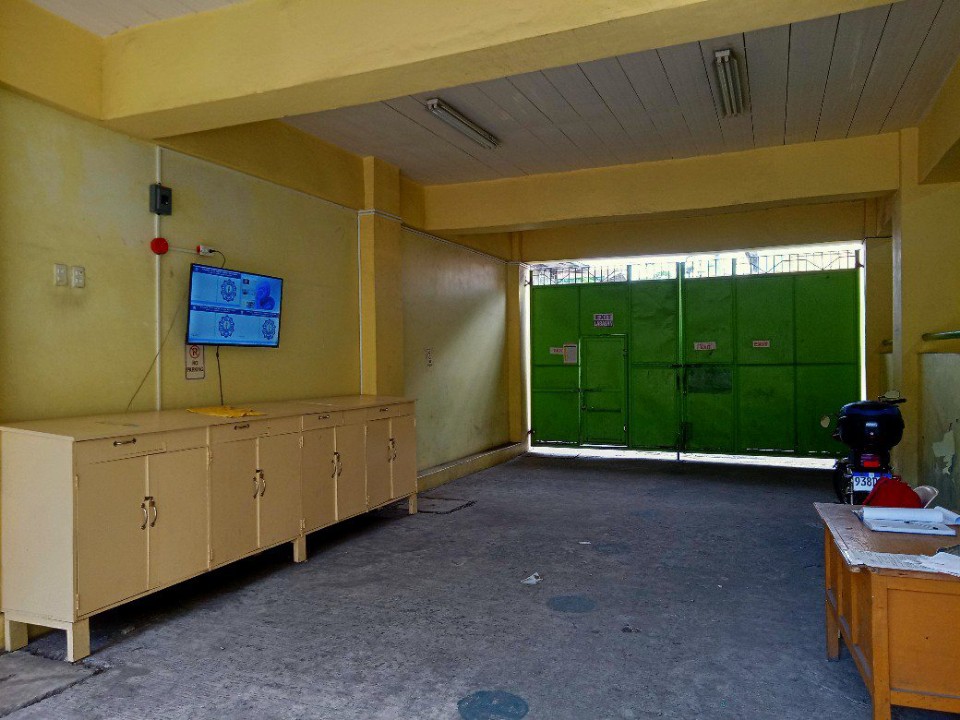
Exit gate in 2023
For enhanced campus safety and security, this gate remains completely locked throughout the school day and is only unlocked once classes have officially ended for the session.
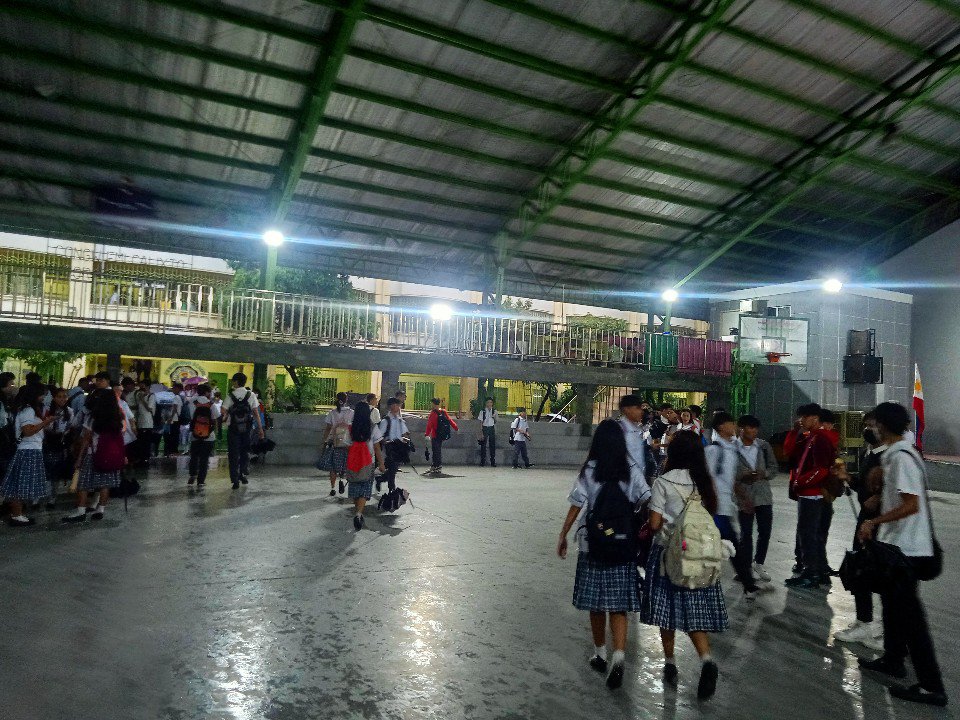
Pasay City West High School features a wide array of student facilities and campus amenities, including spacious canteens, modern classrooms, historical layout transitions, comfort rooms, localized landscaping, and dedicated washing areas.
Canteen
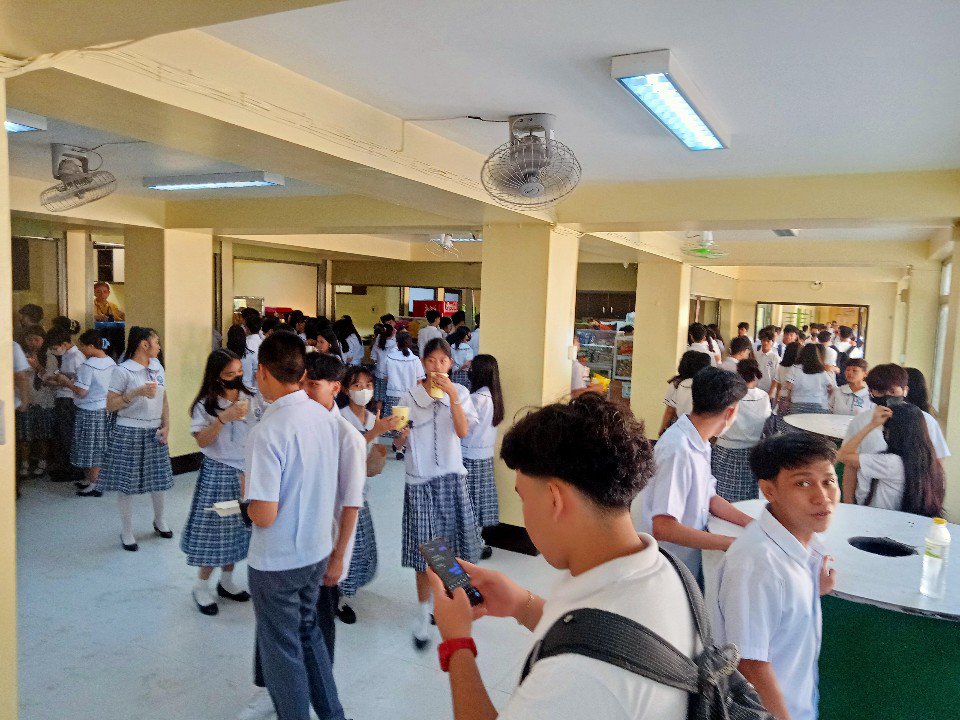
Refurbished school canteen in October 2023
Multi-Purpose Cooperative Canteen
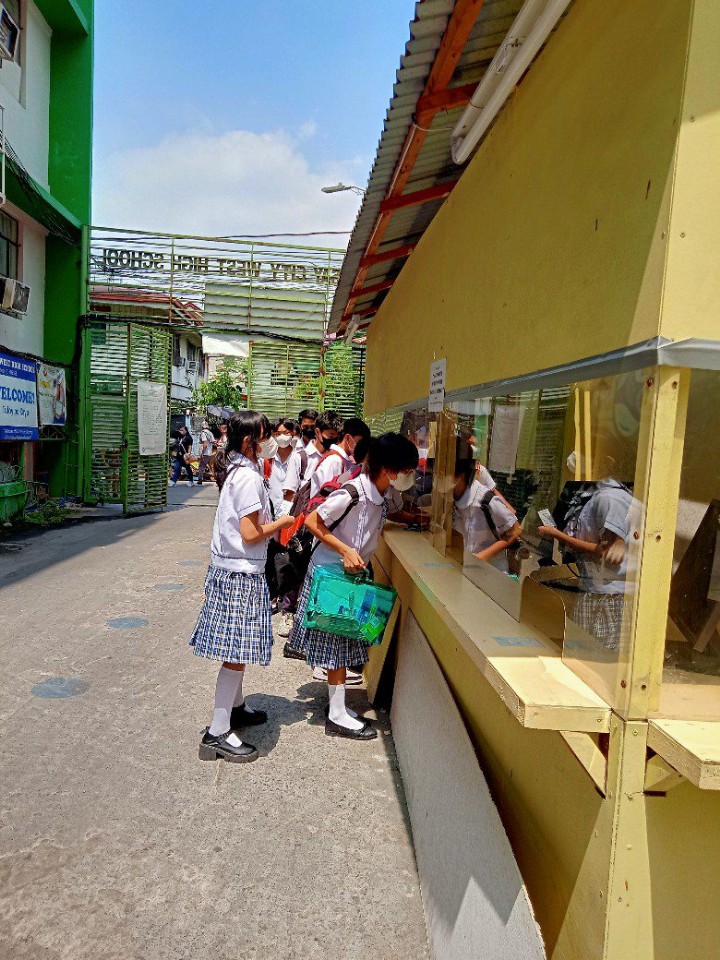
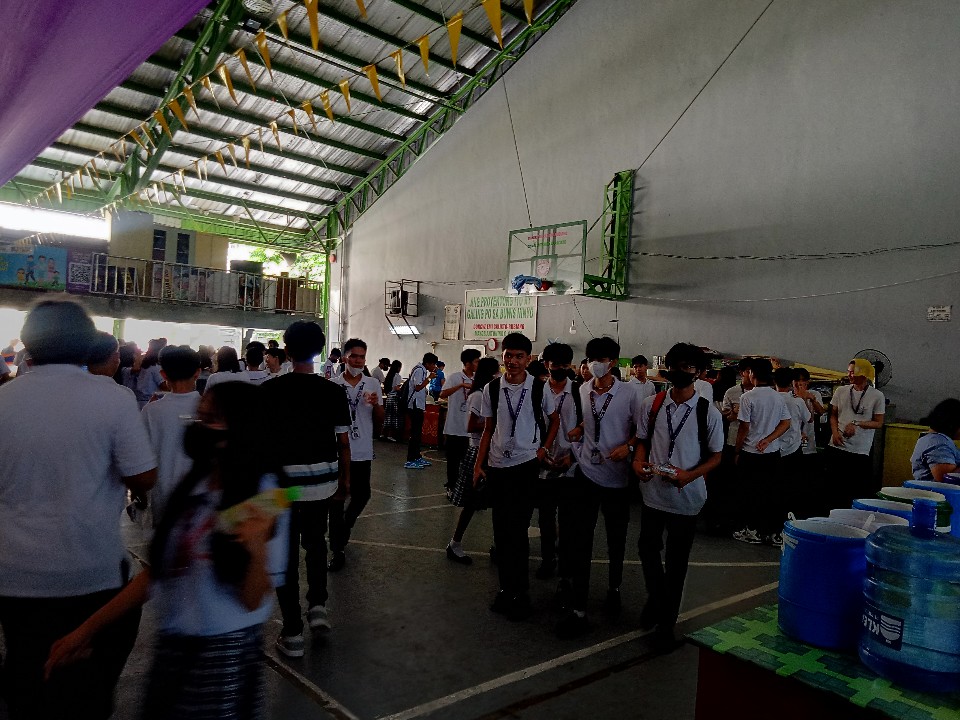
Located on the first floor of Building 3, the Multi-Purpose Cooperative Canteen stands as the largest dining facility on campus, occupying an area equivalent to two standard classrooms. It serves as a one-stop shop where students can purchase meals, snacks, refreshments, and essential school supplies. During recess and break periods, this canteen becomes a bustling hub heavily crowded with students.School-Managed Canteen
Situated directly adjacent to the Multi-Purpose Cooperative Canteen, the School-Managed Canteen offers additional options to help distribute student traffic. This facility primarily focuses on serving heavy meals, specifically rice paired with various viands, alongside dynamic beverage choices like fruit juices and bottled water.Eating Area
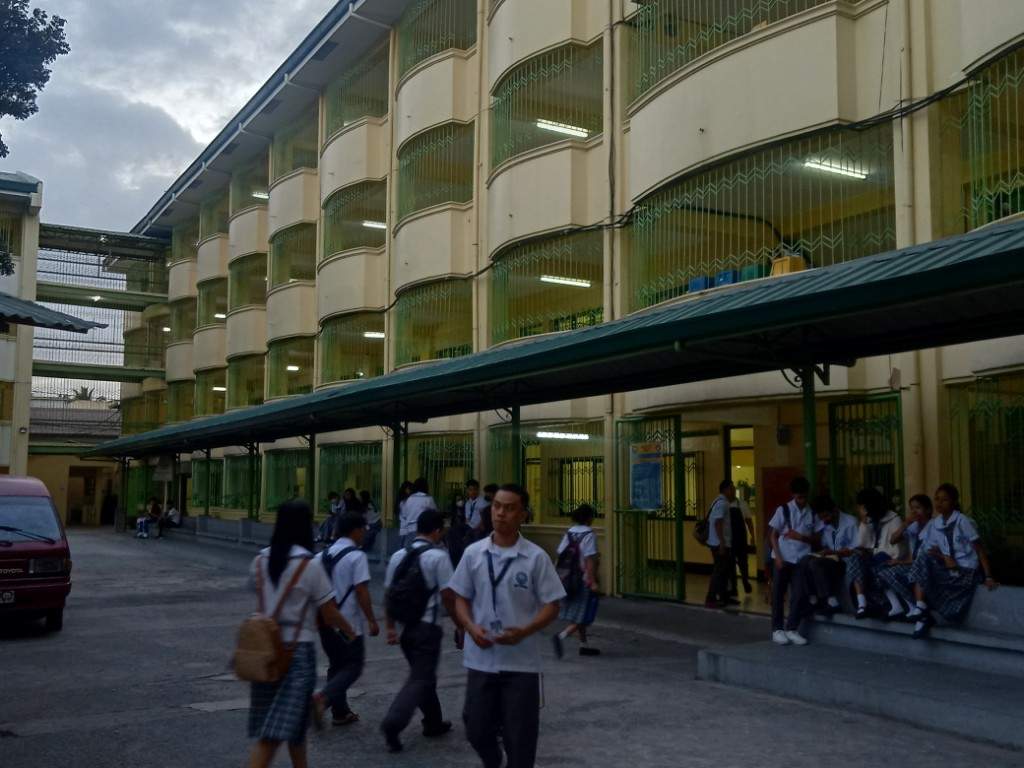
Eating area in 2023
Historical Note: In February 2026, this outdoor eating area was officially demolished to clear space for ongoing campus construction.
Classroom
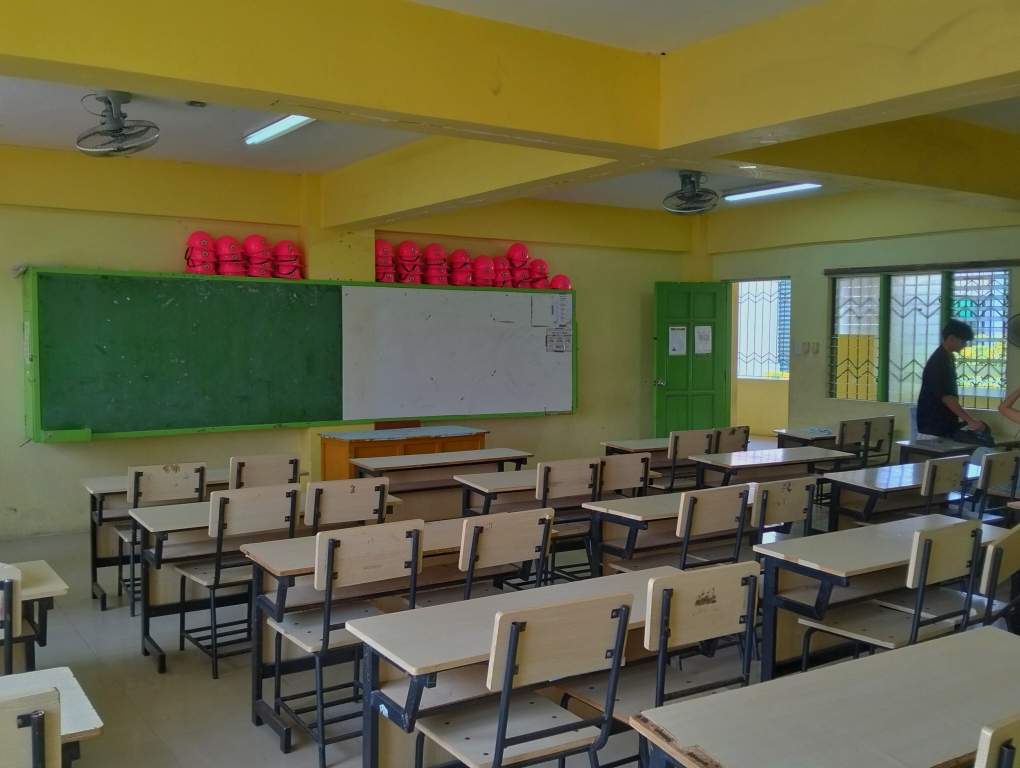
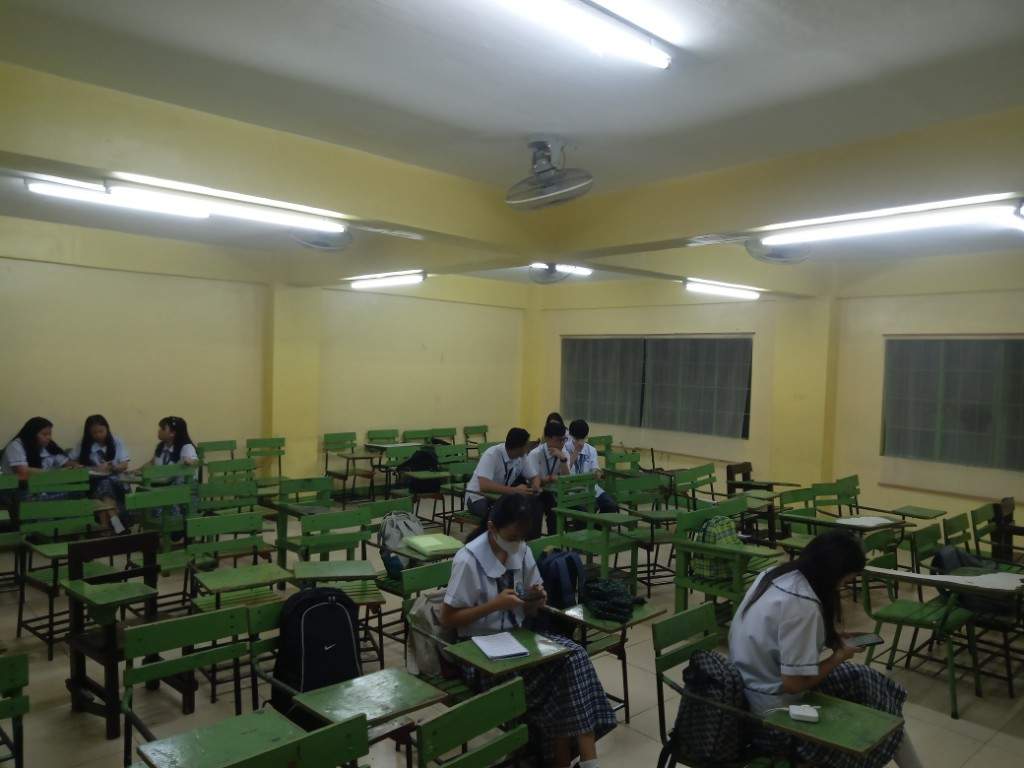
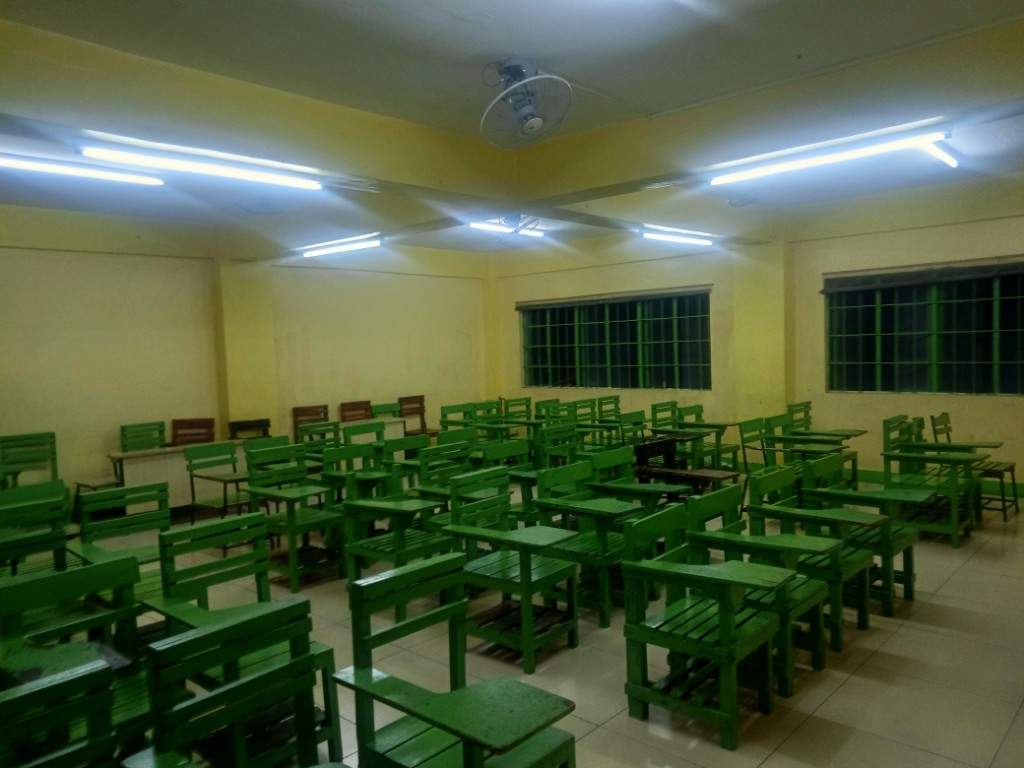
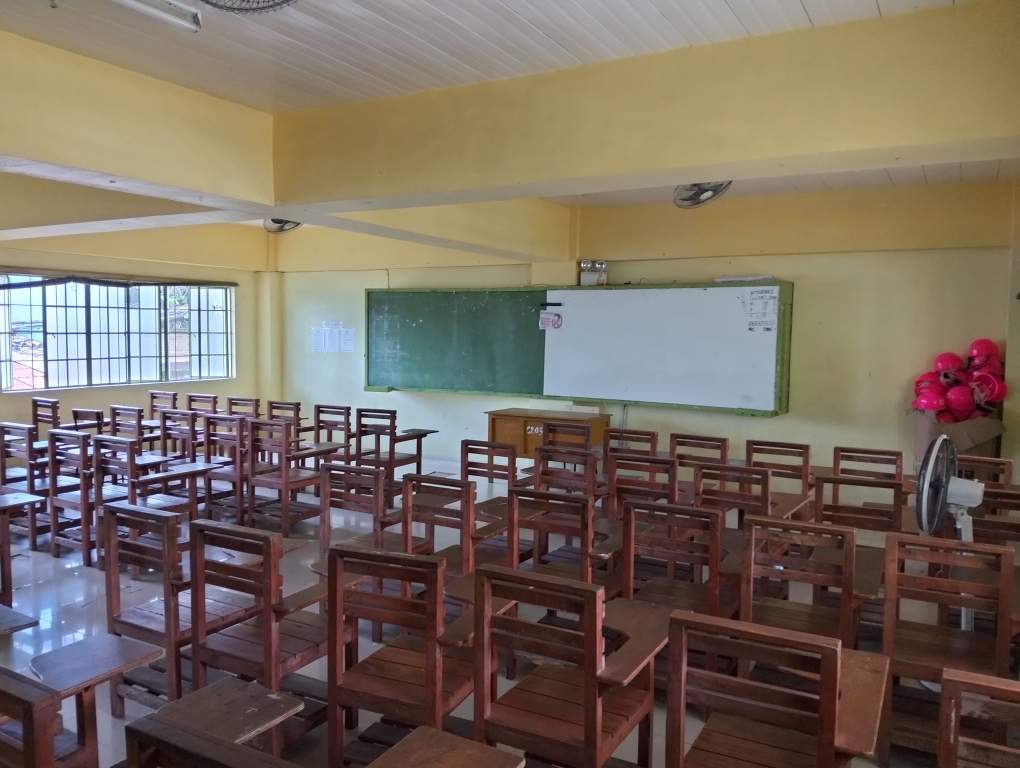
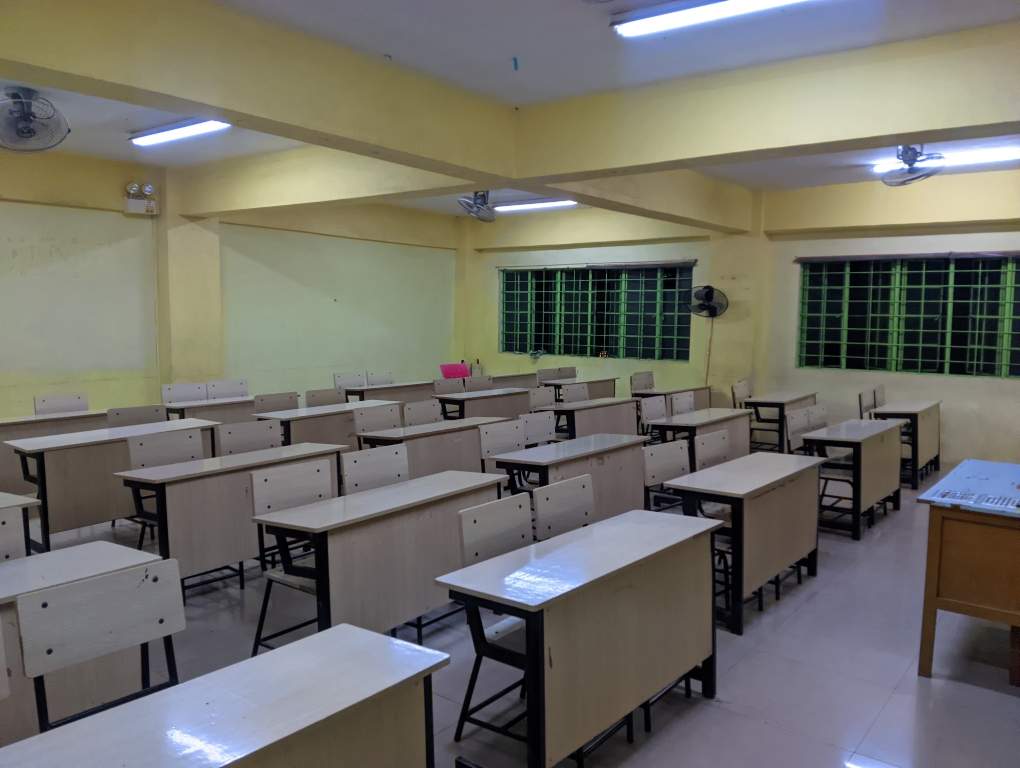
Classroom in Building 2
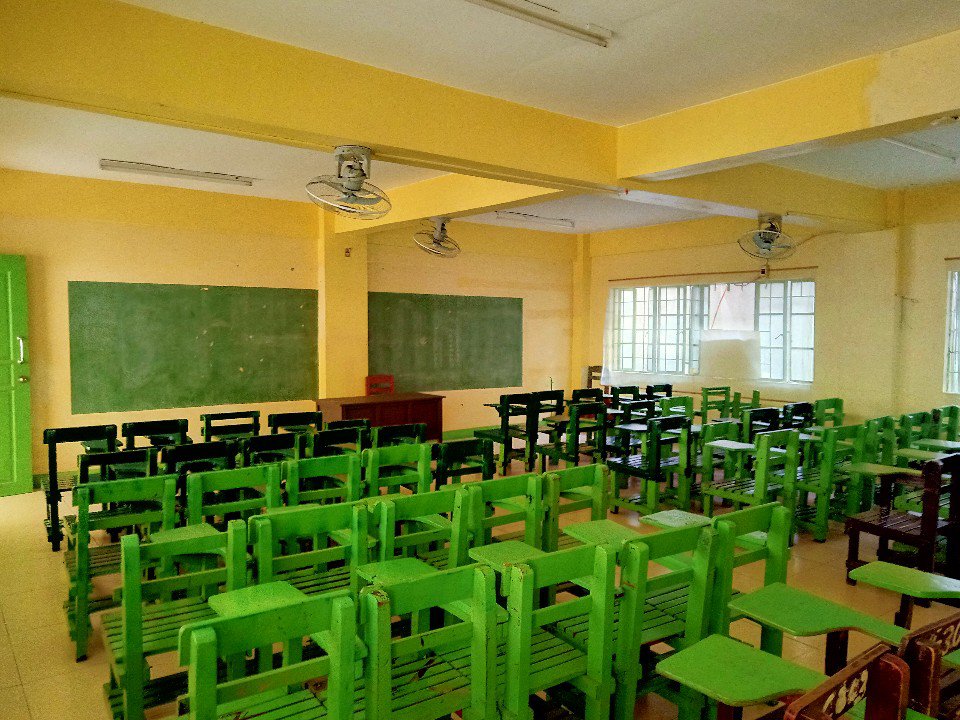
While classrooms formerly faced overcrowding with densities exceeding 70 individuals, current class sizes are comfortably maintained between 30 to 50 students. Cleanliness and room order are strictly managed by the students themselves through designated cleaning shifts during breaks and prior to afternoon dismissal.
RFID Attendance System
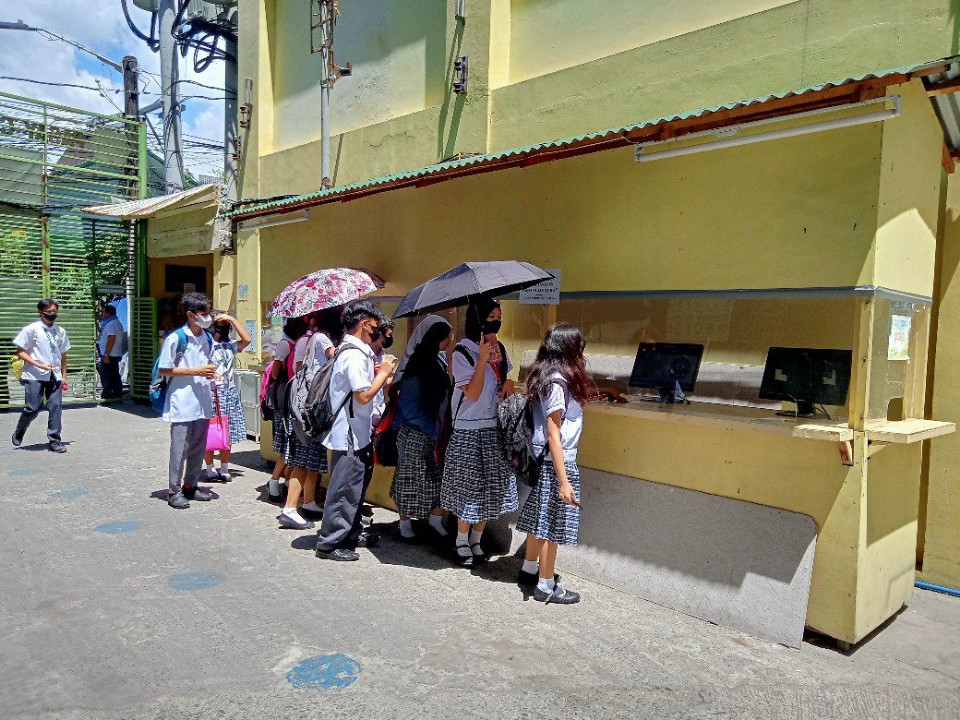
Students tapping their ID card upon entry
This feature saw active operations from February 2023 until June 2023 as part of its initial pilot launch for School Year 2022–2023. Throughout School Year 2023–2024, upgraded RFID cards were manufactured and distributed to students for identification purposes; however, the scanning machine infrastructure remained offline and unavailable for the entire period.
By School Year 2024–2025, the digital RFID attendance system was officially phased out, and the campus reverted to a traditional, paper-based ID card.
Free WiFi
Public internet access was temporarily provided on campus through the Department of Information and Communications Technology (DICT). Students were able to connect to the open network and access online resources by registering through a local gateway portal at 192.168.1.1. This public service was permanently deactivated and became unavailable in December 2023.Comfort Rooms
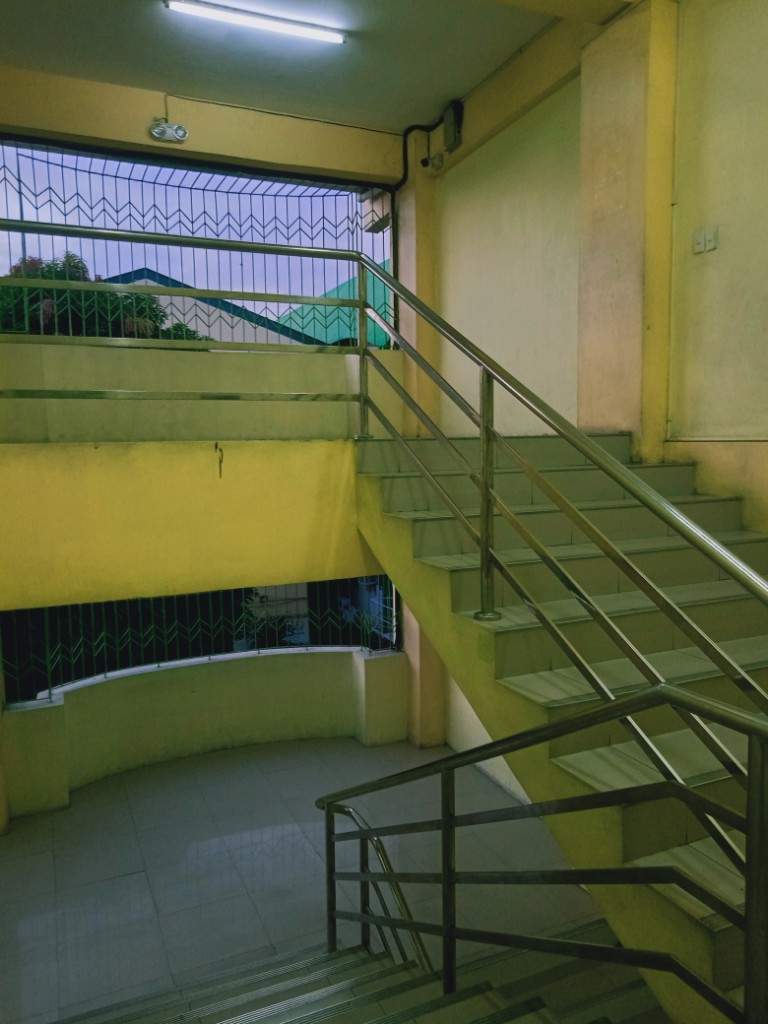
Student comfort rooms (CRs) are systematically located near the main stairwells of all campus buildings and undergo daily maintenance and sanitation by the school's janitorial staff. While some units are exclusively reserved for faculty use, the majority are fully accessible to the student body.Following the assumption of leadership by the school principal, Mr. Agapito Teodoro N. Manaog, in August 2023, the comfort rooms underwent an aesthetic renovation. The facilities were thoroughly deep-cleaned and color-coded with fresh paint—vibrant blue for male restrooms and bright pink for female restrooms. While equipped with individual cubicles, handwashing sinks, and mirrors for convenience, privacy locks on the main cubicle doors are currently absent.
Landscapes

Landscape in the front of Building 1 in 2023
The space directly in front of Building 1 previously housed a picturesque garden arrangement highlighted by a decorative swan structure and a prominent
I love PCWHSlandmark. In May 2026, this entire frontal layout was cleared and demolished to give way to ground expansion and the construction of new concrete pavement.
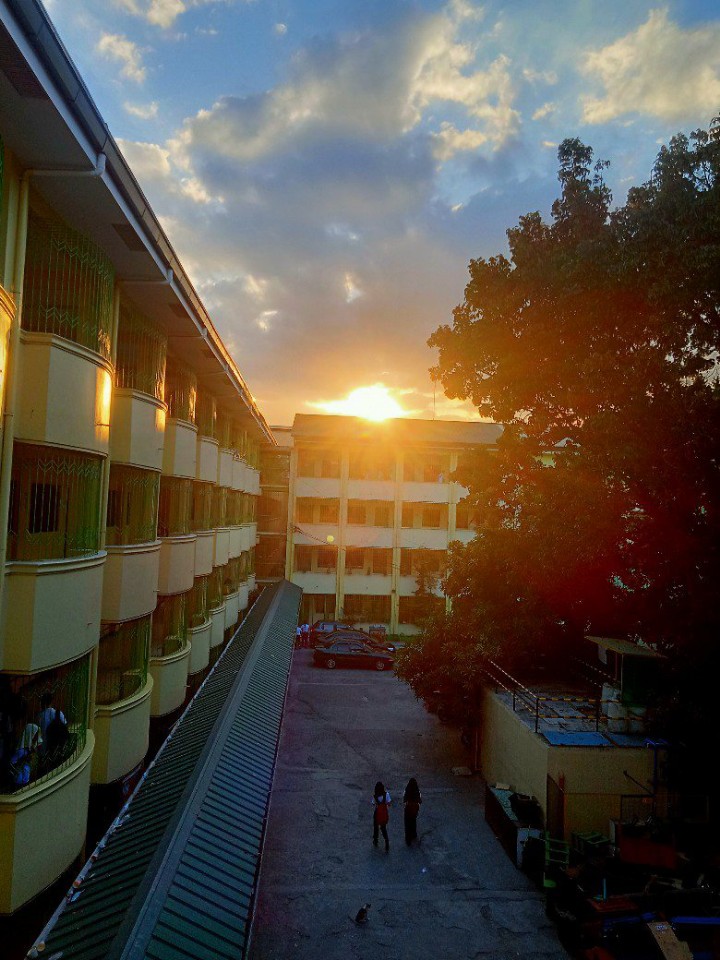
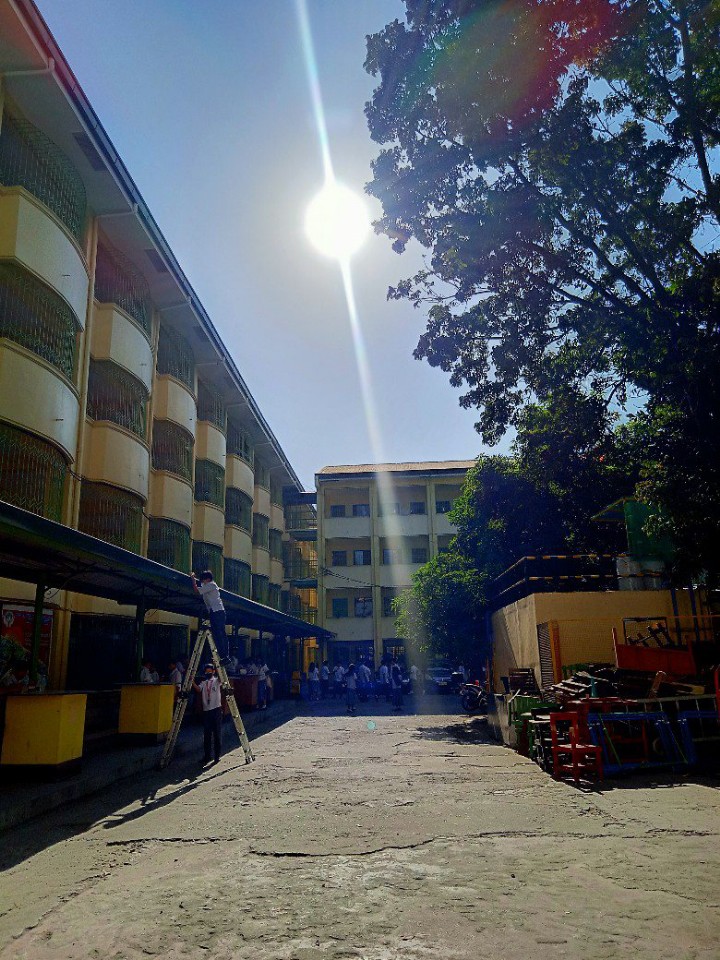
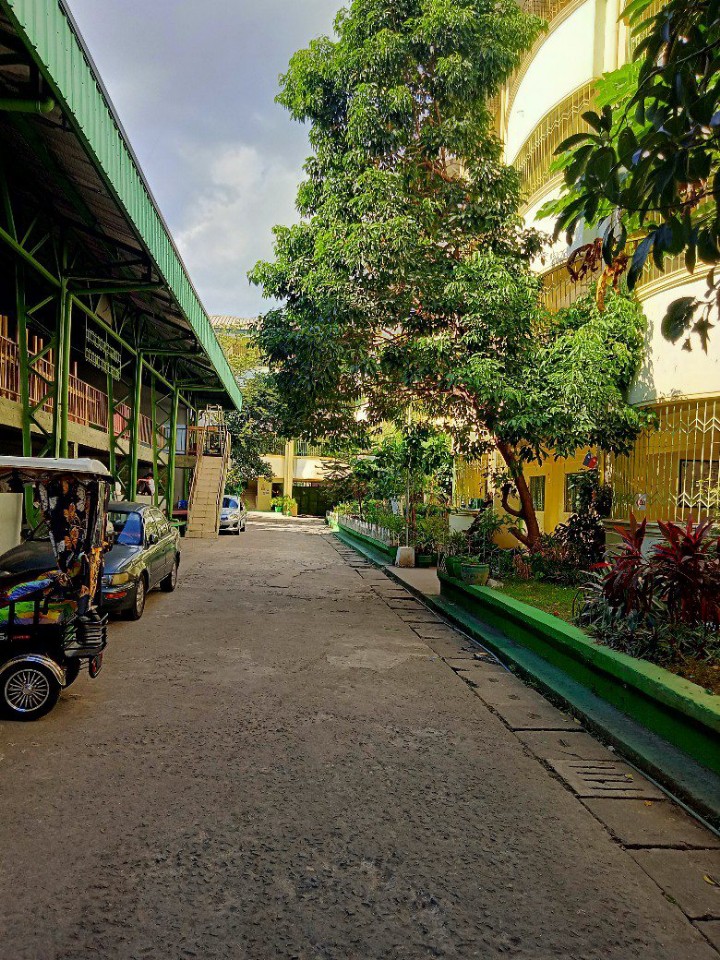
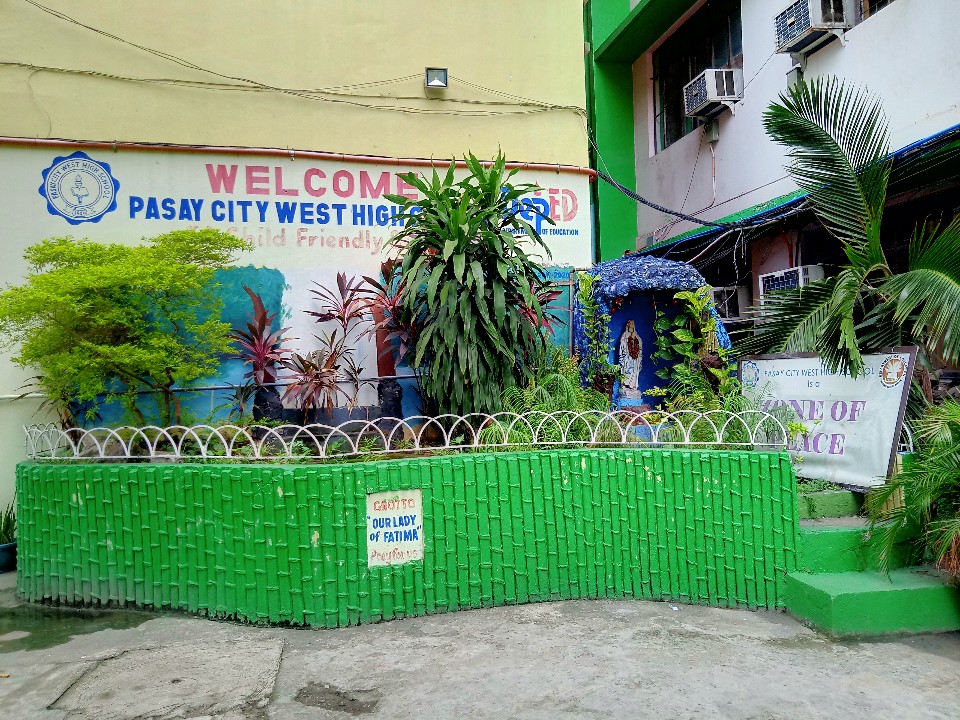
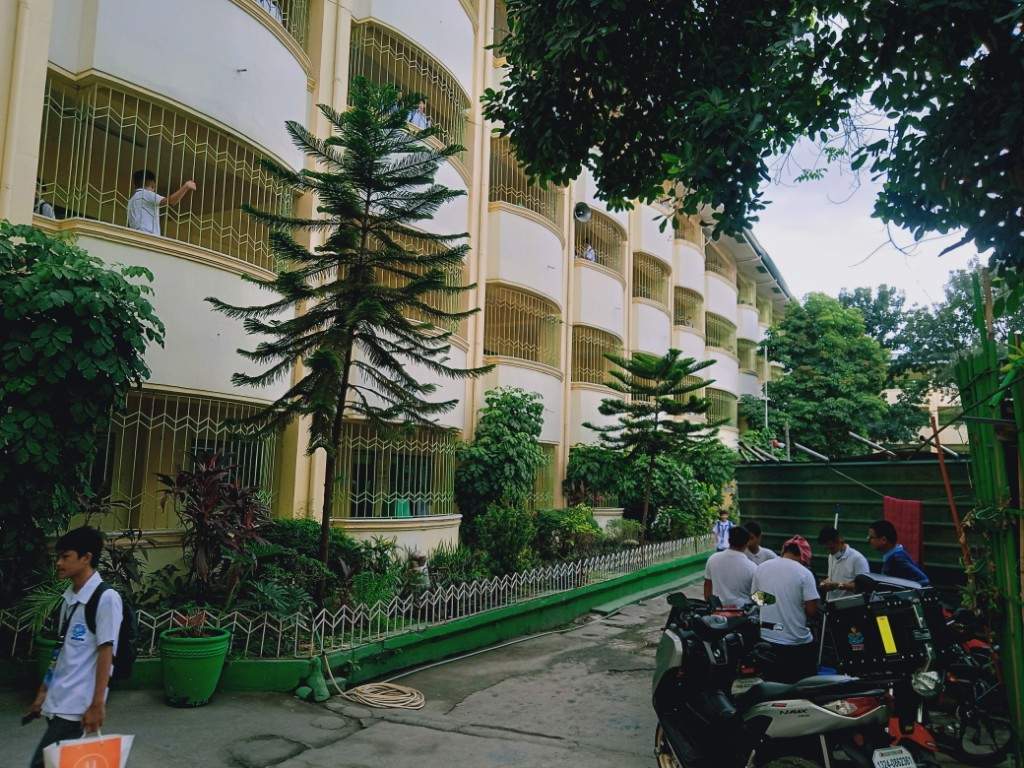
Similarly, the front of Building 2 once showcased an elongated garden walk adorned with blooming flowers, a decorative turtle, a snowman figure, and the historical monument of former Philippine President Manuel L. Quezon. This scenic landscape was also demolished in March 2026 to facilitate grounds expansion. Tall trees still line sections of the campus, naturally shedding their leaves during seasonal heat peaks, while a serene mini-garden containing vibrant floral beds continues to thrive inside and around the perimeter of Building 4.
Washing Area
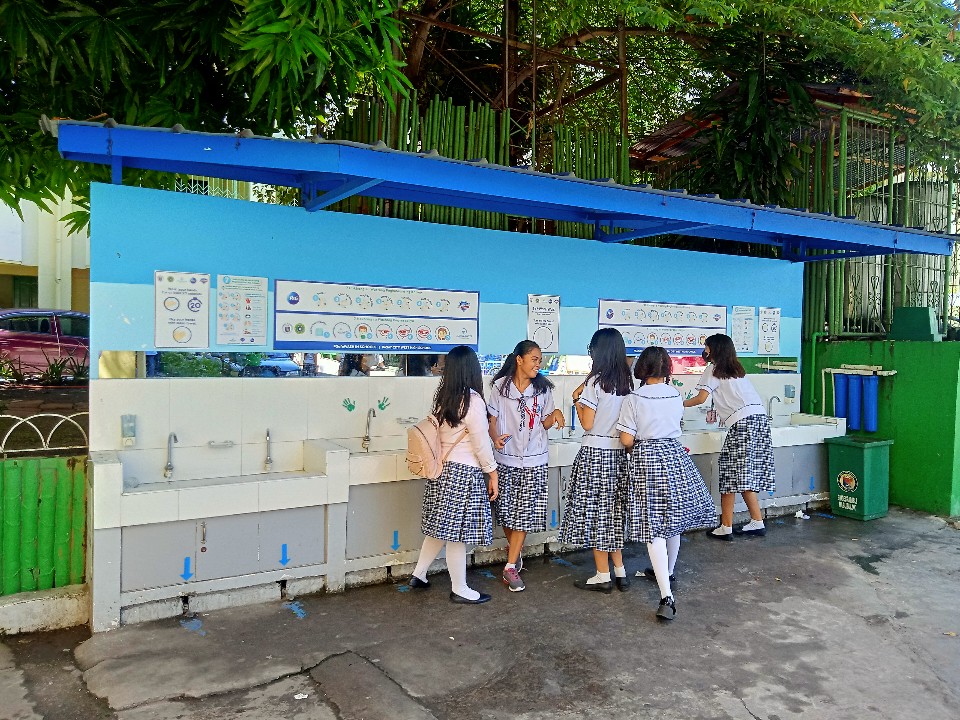
Washing area